US and Iran Near Agreement on Ceasefire, Yet Finalization Still Pending
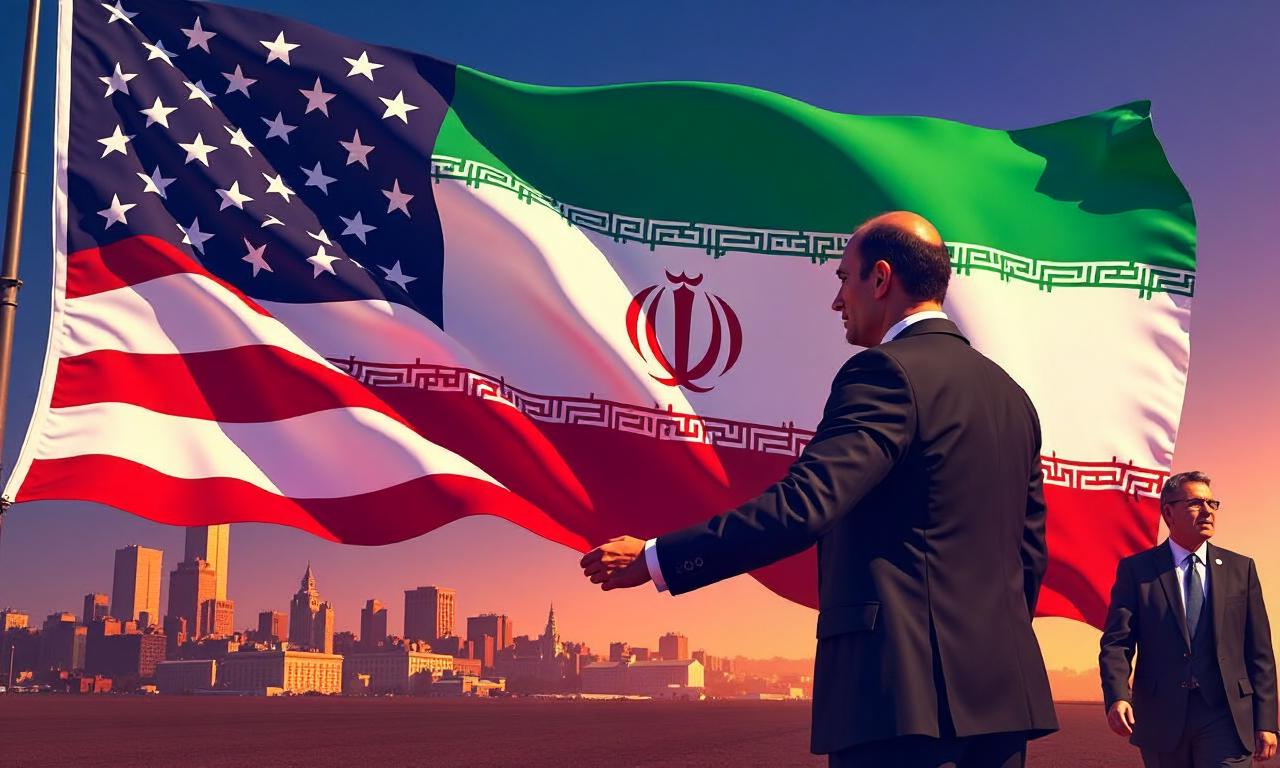
Samael.lol – Vice President JD Vance has stated that the United States and Iran are in the final stages of discussions to reach a truce, though several critical issues remain unresolved. When asked by the BBC whether President Donald Trump was close to finalizing a deal, Vance emphasized that the timeline for agreement was uncertain, with both parties still negotiating on key terms before Trump could officially sign off. The proposed truce, if ratified, would reportedly extend the ceasefire for 60 days and initiate talks on Iran’s nuclear program. However, the deal remains unconfirmed, as conflicting reports from US and Iranian sources have emerged in recent hours.
Framework Agreed, but Confirmation Lags
Earlier on Thursday, US officials informed the BBC that a preliminary framework had been established, pending approval from Trump and Iran’s leadership. Yet, Iran’s semi-official Tasnim news agency reported that the deal had not yet been finalized or confirmed, casting doubt on the progress. Vance, speaking to reporters in Washington DC on Thursday evening, noted that negotiators were engaged in finalizing a few linguistic specifics, particularly regarding the ‘question of enrichment.’ ‘We’re not there yet, but we’re very close and we’re going to keep on working at it,’ he said, offering cautious optimism.
“We’re not there yet, but we’re very close and we’re going to keep on working at it,” Vance told reporters.
The US has consistently demanded that Iran halt the production of highly enriched uranium and eliminate its existing stockpile, which could be used to manufacture nuclear weapons. Vance struck an upbeat tone, asserting that Iran was negotiating in ‘good faith,’ but the process remains delicate. Since the initial ceasefire took effect on April 8, Trump has repeatedly claimed that the two sides are close to a breakthrough, yet no concrete results have materialized. This has left the situation in limbo, with both nations balancing between progress and disagreement.
Strategic Implications of the Ceasefire
The potential agreement could have significant geopolitical ramifications, particularly concerning the Strait of Hormuz—a vital waterway through which approximately one-fifth of the world’s liquefied natural gas and oil transit. Reports indicate that the deal might grant unrestricted passage through this strategic chokepoint, with Iran given 30 days to remove mines from the narrow shipping route. In addition, the US would lift its naval blockade and issue sanction waivers, allowing Iran to restart oil exports. These measures aim to stabilize regional trade and reduce tensions, but their success hinges on the agreement’s finalization.
Trump and his team have warned that a return to combat operations—referred to as ‘option B’—remains a possibility if negotiations stall. Extending the ceasefire, however, would provide a window for US and Iranian teams to address more complex issues, including the technical aspects of Iran’s nuclear program and its remaining stockpile of enriched uranium. Trump suggested that the US could either take the uranium or dilute it in a third location, with Iran’s leadership potentially involved in the process. These details, though, have not been fully disclosed, leaving room for interpretation and debate.
Conflicting Narratives and Political Pressures
Thursday’s conflicting reports underscored the fluid nature of the talks, with both sides presenting contradictory accounts of the agreement’s status. US officials highlighted the framework, while Iran’s media questioned its validity, raising doubts about the actual proximity to a deal. The White House has been cautious in its statements, with Treasury Secretary Scott Bessent leading the briefing and insisting that the president would make the final call. ‘It’s always a mistake to get out ahead of the president,’ Bessent said, adding that all decisions would rest on Trump’s authority.
“It’s always a mistake to get out ahead of the president,” Scott Bessent said.
Meanwhile, Iranian state media reported on Wednesday that they had published elements of an unofficial 14-point memorandum of understanding, which included the removal of Washington’s naval blockade of Iranian ports and the withdrawal of US forces from the ‘vicinity of Iran.’ The proposal also called for the restoration of non-military traffic through the Strait of Hormuz, with Iran and Oman managing vessel routes. However, the White House dismissed the document as a ‘complete fabrication,’ suggesting that the deal’s framework was still under development.
The Strait of Hormuz, already a critical artery for global energy trade, has seen increased activity in recent days. Its closure has disrupted fuel markets worldwide, highlighting the urgency of a resolution. With one-fifth of the world’s liquefied natural gas and oil passing through the waterway, any extension of the ceasefire could alleviate economic pressures and provide a temporary reprieve for both nations. Yet, the path to this outcome remains uncertain, as the US continues to push for concessions on nuclear capabilities and Iran seeks to secure its strategic interests.
Mutual Accusations and Escalation Risks
Despite the tentative progress, both the US and Iran have accused each other of breaching the ceasefire. The Islamic Revolutionary Guard Corps (IRGC) claimed it targeted a US base in the region on Thursday, following fresh US strikes on southern Iran overnight. Iranian state media reported that the country’s forces had downed a US aircraft, possibly a drone, further intensifying the situation. US Central Command, however, has disputed these claims, stating that the attacks were not confirmed and that the ceasefire remains intact.
The ongoing accusations reflect the fragile nature of the truce, which has been a focal point of diplomatic efforts. While the ceasefire has prevented immediate escalation, the threat of renewed hostilities looms large, especially as Trump faces mounting pressure to end the conflict. Gulf state allies, Democrats opposing the war, and some Republicans in Congress have called for a resolution, fearing prolonged hostilities could strain international relations and economic stability. The president’s stance on the issue will be pivotal in determining whether the agreement moves forward or if ‘option B’ becomes a reality.
Uncertainty and the Road Ahead
As the talks continue, the US and Iran remain in a delicate balance of cooperation and conflict. Axios, which first reported the tentative agreement on Thursday, noted that Trump had been briefed on the proposal but had not yet committed. The president is expected to take a couple of days to review the terms before making a decision. This delay underscores the complexity of the negotiations, as both sides grapple with the implications of a truce and the trade-offs involved.
While the ceasefire provides a temporary pause, it is not a guarantee of long-term peace. Vance’s remarks suggest that the agreement is within reach, but the remaining hurdles—such as the exact wording of the deal and Iran’s nuclear commitments—must be resolved. The success of the truce will depend on the willingness of both nations to compromise, with the outcome shaping the future of their relationship and the broader Middle East landscape.
In summary, the negotiations between the US and Iran have reached a critical juncture, with key issues still to be addressed. While optimism persists, the situation remains precarious, and the final decision rests with Trump. The upcoming days will determine whether the truce becomes a lasting peace or if the conflict resumes, impacting global energy markets and international diplomacy.