How long can Iran’s asymmetric strategy hold?
Samael.lol – Despite years of economic pressure and recent military strikes, the Iranian government remains intact, though visibly weakened. US President Donald Trump has hinted at a swift conclusion to the conflict, even as American and Israeli forces intensify their presence in the Persian Gulf. The region continues to feel Iran’s impact, with the country still restricting a significant portion of global oil trade through its control of the Strait of Hormuz.
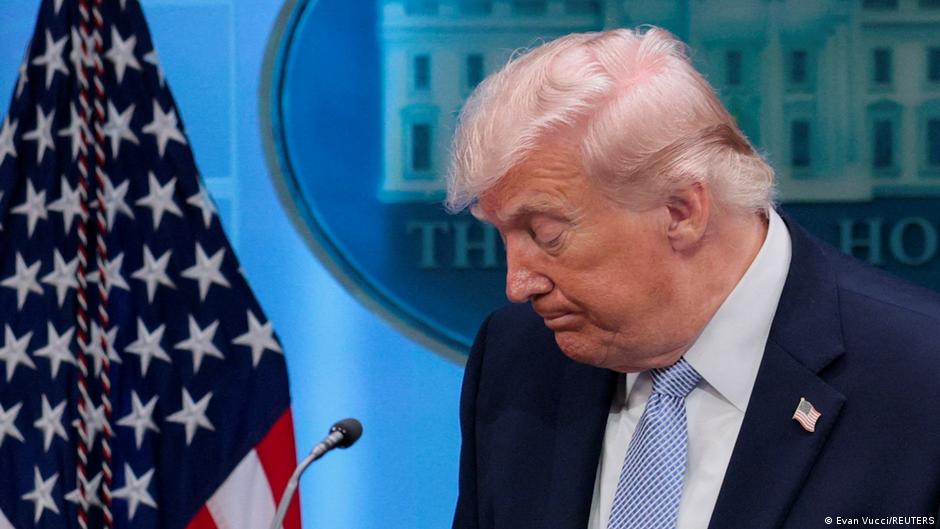
“Regime change has occurred,” Trump declared, claiming the US is “on track to fulfill all its objectives very soon.” He added that Iran has “suffered clear and devastating losses in weeks,” a rare claim in modern warfare.
Since the February 28 airstrikes, over 13,000 targets have been hit, according to Trump’s remarks to the Financial Times. Meanwhile, the Israeli Defense Forces reported that 80% of Iran’s air defense systems have been dismantled, targeting key production sites. Yet, the regime persists, launching counterattacks and maintaining its operational resilience under sustained bombardment.
Leadership within Iran has shifted, with Mojtaba Khamenei, the son of former supreme leader Ali Khamenei, stepping into the spotlight. However, Mojtaba’s absence from public view has fueled speculation about his status. The regime’s top echelons and security forces have faced heavy casualties, yet their capacity to retaliate endures.
“Iran’s military capabilities have been degraded, but its asymmetric tactics remain effective,” said Jason H. Campbell of the Middle East Institute. “The regime has decades of preparation for this exact scenario.”
Iran’s strategy of asymmetry emerged from necessity, shaped by US sanctions and an arms embargo following the 1979 Islamic Revolution. After enduring the Iran-Iraq War, the Islamic Revolutionary Guard Corps (IRGC) refined its approach, creating a mix of low-cost drones, cyber operations, and proxy networks. These tools now form a robust, self-sustaining threat.
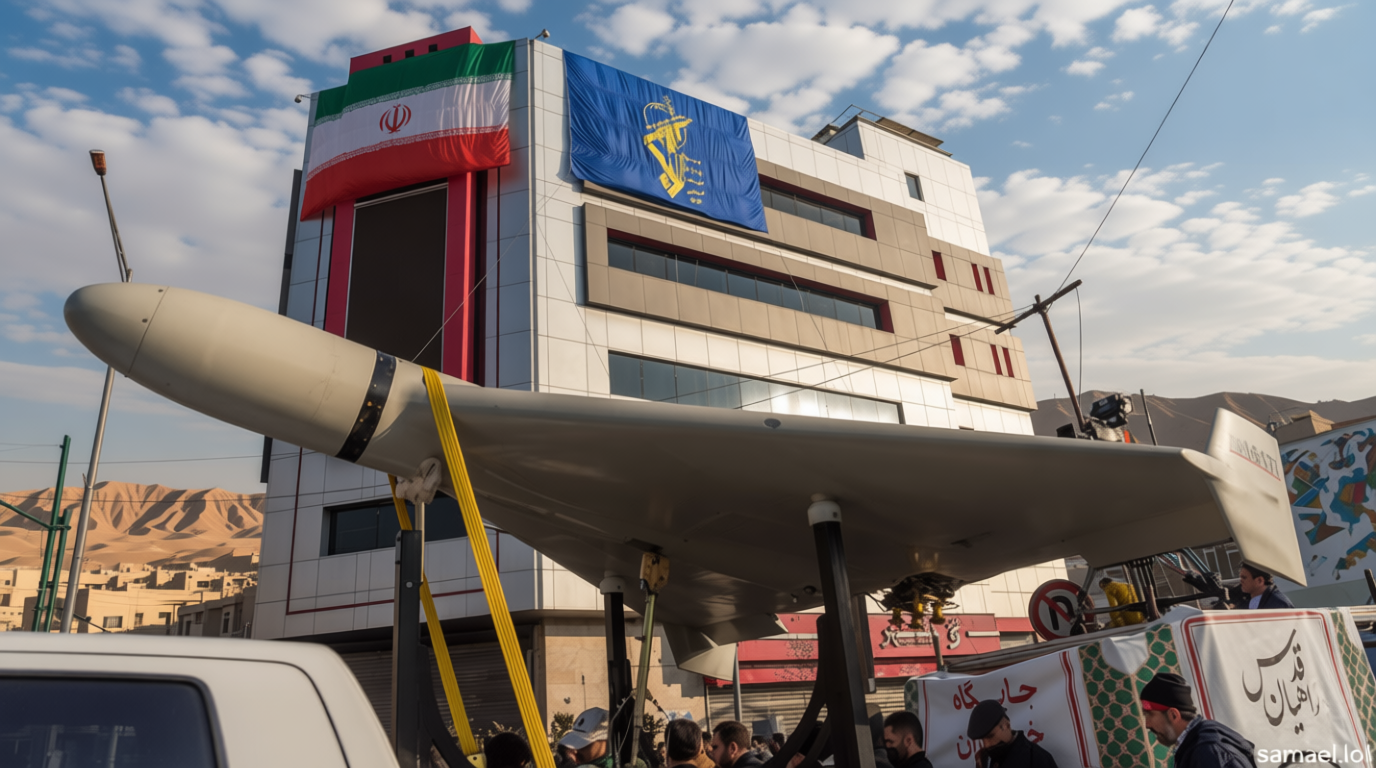
Iran’s Shahed drones, for instance, cost between $20,000 and $50,000 each. Equipped with precision guidance, they can travel up to 2,000 kilometers. The US military has already faced losses, including a strike on a Kuwait base that killed six personnel. While many drones are intercepted, their sheer volume challenges defenses.
“Iran’s drone threat is more enduring than its ballistic missiles,” noted Kelly A. Grieco of the Stimson Center. “The regime can sustain this approach for months, even years, with its current resources.”
Oil revenue continues to fuel Iran’s asymmetric efforts, allowing it to bypass US sanctions by exporting energy to nations like China. This financial flexibility ensures the regime can maintain its offensive capabilities. As the conflict evolves, Iran’s strategy—rooted in adaptability and resourcefulness—remains a formidable force in the region.