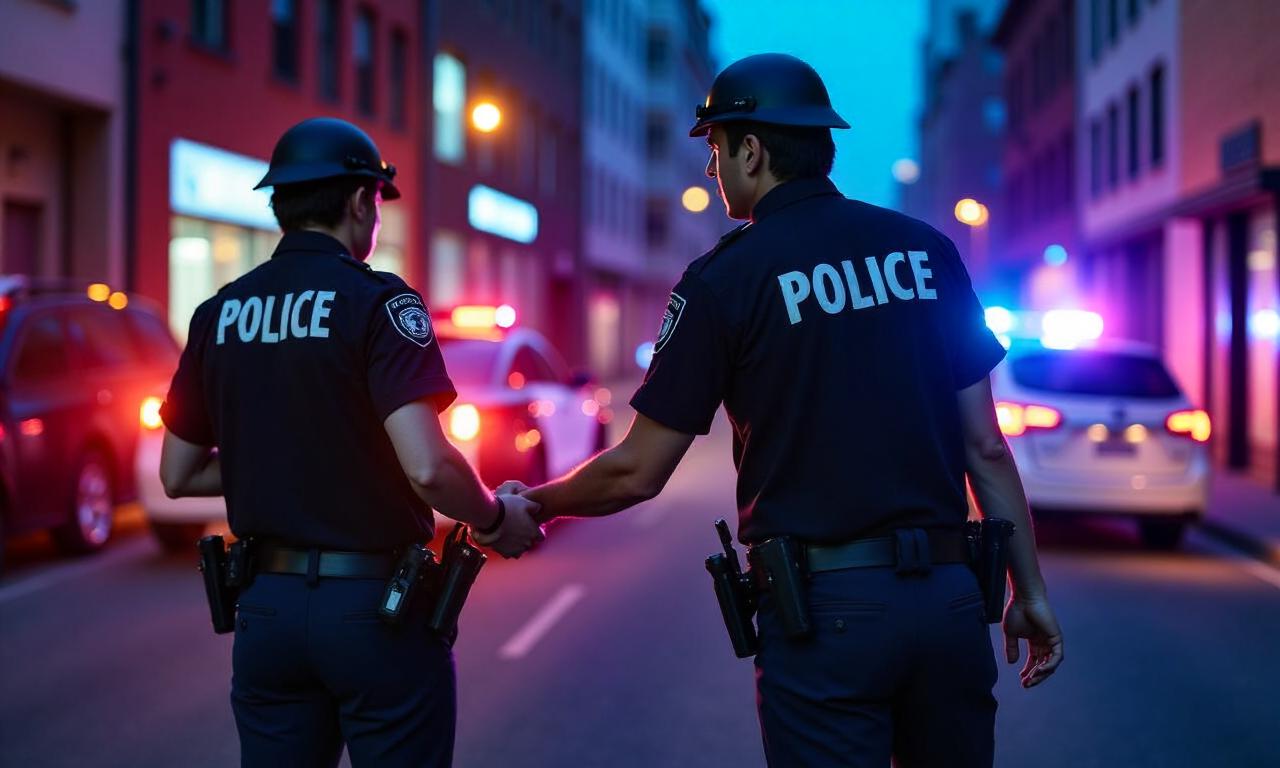
Police Watchdog Probes Handcuffing of Murder Victim
Incident Overview
Samael.lol – Following the tragic death of 18-year-old Henry Nowak, an independent police oversight body has launched an inquiry into the actions of officers during the incident. The young student was stabbed multiple times with a 21cm ceremonial knife in December, and the authorities are now examining whether his arrest and handcuffing while he lay dying were appropriate. The case has sparked significant public attention, as the circumstances surrounding Henry’s final moments remain under scrutiny.
Henry, a first-year finance student at the University of Southampton, was walking alone back to his student residence after a night out with his football teammates. He encountered 23-year-old Vickrum Digwa, who had allegedly used a blade due to his Sikh faith. Digwa claimed he was defending himself against Henry, who he said had been drunk, shouted racist abuse, and attacked him by striking him and removing his turban. However, evidence later revealed Henry’s blood alcohol content was below the legal limit, contradicting Digwa’s account.
The trial, which concluded on Thursday, confirmed Digwa’s guilt in Henry’s murder. Prosecutors argued that his claims were a “wicked lie” designed to shift blame and avoid prison time. The jury’s verdict aligned with this, determining that Henry was, in fact, the victim. As he attempted to escape from his attacker, Henry left a trail of blood across the tarmac before collapsing. Despite his deteriorating condition, the police arrived and arrested him, believing Digwa’s story.
Investigation Initiated
The Independent Office for Police Conduct (IOPC) has stated that its investigation into the officers’ conduct is ongoing. In a statement released to the BBC, the watchdog confirmed it is examining the interaction between Hampshire and Isle of Wight Constabulary and Henry prior to his death on December 4. This includes the use of handcuffs during his arrest and the first aid administered by responding officers.
The inquiry was triggered by a mandatory referral from the police force, which has committed to transparency throughout the process. Temporary Deputy Chief Constable Robert France expressed remorse for the situation, acknowledging the emotional toll on the officers involved. “It is a tragedy that officers did not immediately grasp what had transpired,” he said, adding that he wants the public to understand the full facts. The force is also prepared to act on the findings of the watchdog’s investigation.
“I am sorry that he had been handcuffed and arrested as he lost consciousness. I don’t want to hide the facts. I want people to understand the full facts,” said France.
France emphasized that the officers who first encountered Henry were the same ones who initiated CPR to save his life. He described the impact of the incident on the team, highlighting the urgency of the situation and the confusion that followed. The IOPC has stated that the officers involved are currently being treated as witnesses, with the investigation focused on their actions during the critical moments of the case.
Government Response
Crime and Policing Minister Sarah Jones commented on the case, calling it “truly horrific.” She expressed solidarity with Henry’s family and friends, acknowledging the pain they continue to endure. “No verdict can undo the sorrow, but I hope today brings some small measure of justice,” she said. Jones also praised the decision to involve the IOPC, stating that it is essential to uncover the truth about the police’s role in the incident.
The minister’s remarks came amid growing public debate about police procedures during emergencies. Critics have questioned whether handcuffing a person who was unconscious or dying was justifiable, while others have focused on the importance of accountability in law enforcement. The case has reignited discussions about how officers should respond to situations where a suspect is potentially vulnerable, especially when the narrative shifts during an investigation.
The IOPC has reiterated its commitment to investigating the entire sequence of events, from the initial contact with Henry to his final moments. This includes reviewing the officers’ decisions to use handcuffs and their administration of first aid. The watchdog’s findings could lead to recommendations for policy changes, training updates, or even disciplinary action against the involved personnel.
Context and Community Impact
Henry’s death has deeply affected his family and the broader community. As a finance student, he was known for his dedication to his studies and his active participation in campus life. His loss has been mourned by friends and teammates, who described him as a kind and hardworking individual. The case has also raised awareness about the importance of cultural sensitivity in police interactions, particularly in relation to the Sikh faith, which Digwa cited as a reason for carrying his blade.
Local residents in Chafford Hundred, where Henry was from, have expressed concern over the incident. Some have questioned the speed at which the police responded, while others have focused on the emotional distress experienced by the officers who were on the scene. The community has called for a thorough review of the procedures followed during the arrest, emphasizing the need for clarity and fairness in such situations.
Meanwhile, the trial of Digwa has become a focal point for those seeking justice for Henry. The prosecution’s evidence, including the blood trail left by Henry and the alcohol test results, has been pivotal in establishing his innocence. Digwa’s sentencing is set for Monday at Southampton Crown Court, where the court will determine the appropriate punishment for the murder. The outcome of the case will likely have broader implications for police conduct and the justice system’s approach to self-defense claims.
The IOPC’s investigation is not only about assessing the officers’ actions but also about ensuring that the public is informed of the entire story. France has assured that the force will not withhold any details, even if they are difficult to accept. The inquiry is expected to take several weeks, with the final report providing a comprehensive analysis of the events leading to Henry’s death. This process aims to address the questions surrounding the handcuffing of a man who was still conscious and breathing when he was arrested.
As the case moves forward, it serves as a reminder of the complexities involved in police interactions during high-stress situations. The actions taken in the moments after an incident can significantly influence the outcome of a trial and the perception of justice. The IOPC’s role in this case underscores the importance of independent oversight in maintaining public trust and accountability within law enforcement agencies.
Looking Ahead
The community remains hopeful that the investigation will lead to meaningful changes in how police handle similar cases. While the immediate focus is on Henry’s death, the broader implications for policing practices are also being considered. The case highlights the need for clear protocols in emergency situations, where officers must quickly assess a victim’s condition and decide whether to use restraints.
As the IOPC continues its work, the police force has pledged to support the investigation fully. France reiterated that the officers involved are being treated with respect, despite the tragic outcome. The final report from the watchdog is anticipated to provide a detailed account of the circumstances, offering insights into the decisions made during the critical hours of December 4. This will help determine whether the police force’s actions were appropriate or if further steps are required to prevent similar incidents in the future.
The trial’s conclusion has brought a mix of relief and sorrow, with the jury’s decision confirming Henry’s innocence. His family has expressed gratitude for the outcome but also emphasized the lasting impact of the incident. The case will likely be remembered as a poignant example of how misunderstandings in the moment can lead to irreversible consequences, underscoring the importance of vigilance and compassion in law enforcement.