Oscar-Winning Star Wars Editor Marcia Lucas Passes Away at 80
Samael.lol – Marcia Lucas, the award-winning film editor who played a vital role in the creation of the iconic Star Wars trilogy, has passed away at the age of 80. Her passing was announced on Wednesday by her family, who revealed that she succumbed to metastatic cancer while at home in Rancho Mirage, California. The news was shared with US media on Friday, with her family highlighting her enduring impact on the film industry and her personal warmth as a cherished figure among colleagues and friends.
A Legacy Shaped Behind the Scenes
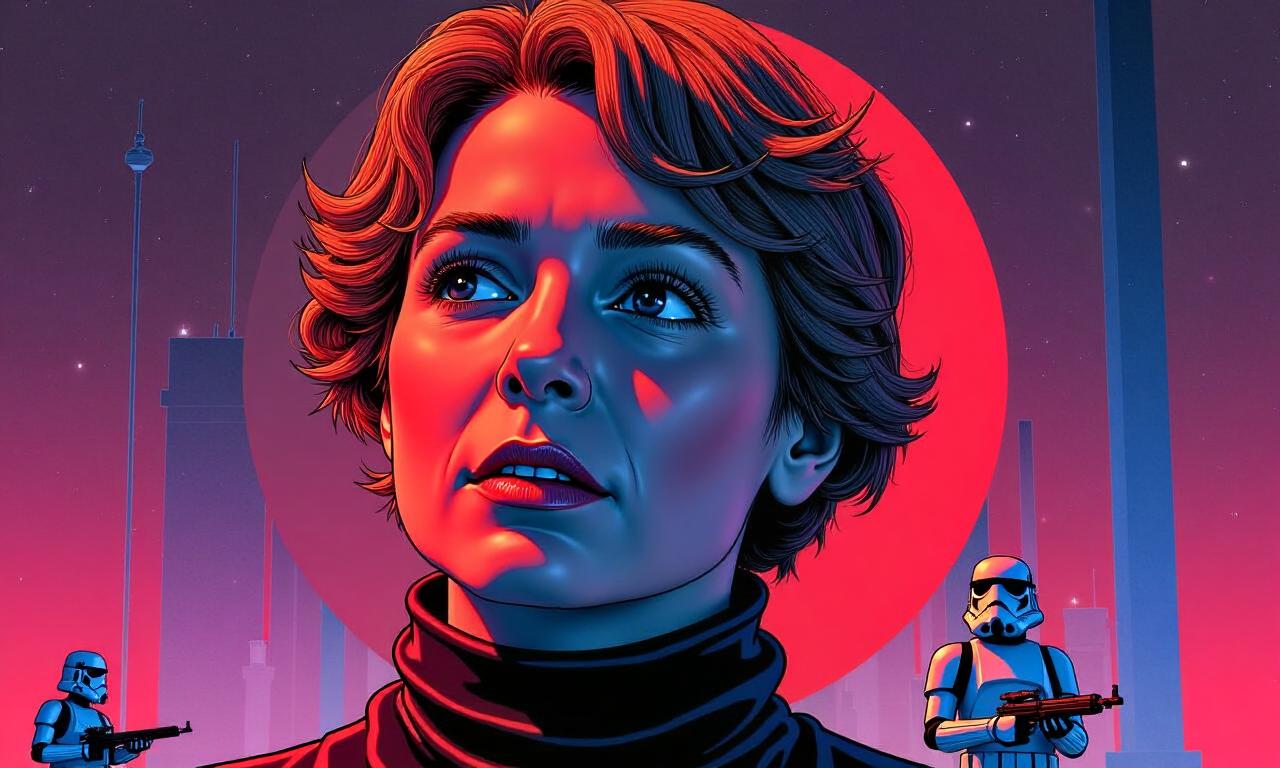
Lucas was instrumental in crafting the emotional resonance and narrative cohesion of the original Star Wars saga. Married to George Lucas during the production of the first three films, she was a central figure in the creative process that brought the space opera to life. Her ability to weave human stories into the vast, sprawling universe of Star Wars set a new standard for cinematic editing, earning her widespread acclaim even as her contributions remained largely unseen by the public.
“Marcia was a force,” her family said in a statement to US media. “A true trailblazer for women in film and one of the most influential editors in cinematic history; she helped redefine what film editing could be.”
Her work on the 1977 film Star Wars, later rebranded as A New Hope, was particularly celebrated. Alongside editors Richard Chew and Paul Hirsch, she won the Academy Award for Best Film Editing, a recognition that underscored her pivotal role in the film’s success. Despite her behind-the-scenes involvement, her influence on the saga’s storytelling has been repeatedly acknowledged over the decades since its release.
George Lucas’s Tribute to a Visionary
George Lucas, the creator of the Star Wars universe, once praised her for her mastery in transforming raw footage into a compelling narrative. “It was extremely complex and we had 40,000 feet of dialogue footage of pilots saying this and that,” he told Rolling Stone shortly after the film’s debut. “Nobody really has ever tried to interweave an actual plot story into a dogfight, and we were trying to do that.” This insight reflects the challenges she faced in refining the Death Star battle sequence, which became a cornerstone of the franchise’s visual and emotional impact.
Her approach to editing was described as intuitive and deeply human. “I love film editing,” she once said in an interview, according to Lucasfilm. “I have an innate ability to take good material and make it better, and to take bad material and make it fair.” This philosophy not only shaped her technical skill but also defined her personal connection to the craft, blending artistry with precision.
Early Career and Collaborations
Before her groundbreaking work on Star Wars, Marcia Lucas built a career in film as a librarian, later transitioning into editing. Her early collaborations with George Lucas began in 1969, when they married and worked together on a series of projects that would lay the foundation for his future success. These included the sci-fi classic THX 1138 and the cult favorite American Graffiti, for which she earned an Oscar nomination. Her work on these films showcased her ability to balance technical expertise with creative vision.
Lucas’s talents extended beyond George’s projects. She also partnered with legendary director Martin Scorsese on several acclaimed 1970s films, including Alice Doesn’t Live Here Anymore, Taxi Driver, and New York, New York. These collaborations highlighted her versatility and deep understanding of storytelling, as she helped shape the emotional core of each project. Her ability to infuse scenes with rhythm and humanity made her a respected figure in Hollywood, even as her name was less frequently in the spotlight than her husband’s.
A Life of Adaptation and Family
Lucas’s journey was marked by both professional achievements and personal transformations. After her marriage to George Lucas, she embraced a new identity as a wife and collaborator, but her career continued to evolve. She later returned to the Star Wars franchise, contributing to the sequel films The Empire Strikes Back (1980) and The Return of the Jedi (1983). Her involvement in these projects, alongside her husband, helped maintain the saga’s cinematic momentum.
Lucas and George Lucas adopted their daughter, Amanda, in 1981, but their marriage ended in 1983 after 14 years. Following the divorce, she married Tom Rodrigues, a production manager at Skywalker Ranch, and they shared a second daughter, Amy. These personal milestones underscored her resilience and adaptability, traits that mirrored her professional approach to editing.
Enduring Influence and Tributes
Lucas’s legacy extends far beyond the Star Wars series. Her family described her work as “known for its emotional intelligence, rhythm and humanity—a rare ability to find the truth of a scene and bring heart, momentum and clarity to the screen.” This sentiment was echoed by the broader film community, which mourned her passing with a sense of collective loss.
“Her influence on film is indelible, but those who knew her best will remember the way she made life feel more vivid, more beautiful, more fun and more full of love,” her family added in a statement. “Her work was known for its emotional intelligence, rhythm and humanity—a rare ability to find the truth of a scene and bring heart, momentum and clarity to the screen.”
Mark Hamill, who portrayed the Star Wars hero Luke Skywalker, shared his grief in a heartfelt tribute. “We are deeply saddened by the loss of our lifelong friend,” he wrote, alongside his wife Marilou. “Not just a gifted, innovative artist, she also happened to be a genuinely nice person. Smart, funny and just plain fun to be around. Thankfully, her memory lives on and we will never stop missing her.” Hamill’s words capture the duality of Lucas’s legacy: a technical mastermind and a warm, approachable individual.
A Bridge Between Craft and Humanity
Lucas’s career exemplifies the intersection of technical skill and emotional storytelling. While her work on Star Wars is often cited as a defining achievement, her earlier projects also revealed a nuanced approach to editing. For instance, her editing on American Graffiti demonstrated her ability to enhance the film’s nostalgic charm and character-driven moments. This versatility made her a valuable asset in the industry, as she navigated the demands of different genres and directors.
Her role as a mentor and advocate for women in film further solidified her impact. In an era when few female editors were recognized for their contributions, she carved a path for others to follow. Her family emphasized that her influence transcended her professional accomplishments, leaving a lasting impression on those who worked with her and those who admired her work from afar.
As the film community reflects on her life and career, Marcia Lucas is remembered as a pioneer who transformed the role of the editor from a technical function to an artistic necessity. Her ability to extract truth from footage, to build momentum in a scene, and to infuse humanity into every frame remains a benchmark for editors today. The world of cinema has lost a visionary, but her legacy continues to inspire through the stories she helped bring to life.