Almost rage bait: Has Euphoria gone from defining Gen Z to dividing them?
Samael.lol – Euphoria, the acclaimed series that once captured the essence of Gen Z adolescence with its raw emotional storytelling, has become a subject of heated debate in its third season. With a narrative now stretching into surreal extremes, the show’s latest chapter has sparked a divide among its core audience and critics alike. While some viewers feel the season has pushed the characters into unrecognizable territory, others argue it has intensified the series’ exploration of complex themes like sex work, addiction, and societal pressures. As the final episode airs, the question remains: has the show’s evolution alienated its original fans, or is it simply reflecting the changing dynamics of its generation?
From High School to a Fractured Adulthood
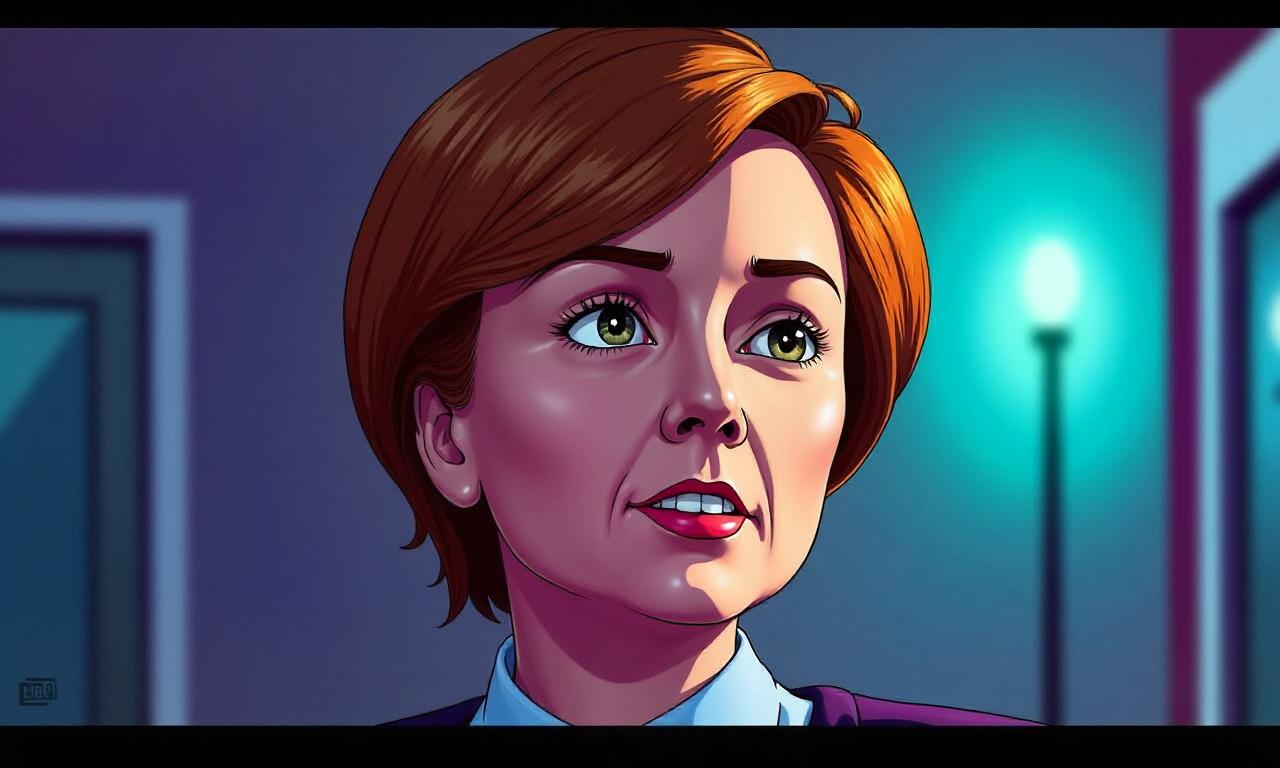
The third season of Euphoria opens half a decade after the characters left high school, thrusting them into a darker, more turbulent version of adulthood. Rue, once the emotional anchor of the series, is now consumed by drug-fueled chaos, smuggling pills between America and Mexico. Cassie, who previously embodied the struggles of teenage identity, has turned to OnlyFans to fund her wedding, symbolizing a shift from personal growth to financial survival. Nate’s revenge plots have escalated into blood-soaked scenarios, while Jules, who once pursued art, now seeks a sugar daddy to escape her past. These extremes, though exaggerated, mirror the intensity of Gen Z’s real-life challenges, amplified through the show’s stylized lens.
When Euphoria debuted in 2019, it was hailed as a defining portrayal of teenage life, blending vulnerability and rebellion with striking visual flair. But as the series returned after a five-year hiatus, its tone and direction had changed. Showrunner Sam Levinson, in a December preview, confidently declared season three as “our best season yet.” Despite this assertion, the response has been mixed. Critics note the show’s 56% weighted average on Metacritic, while fans report a polarized reaction, with some feeling the characters have grown beyond the show’s grasp.
Viral Moments and the Cost of Relevance
Many viewers accuse Euphoria of prioritizing social media engagement over narrative coherence. Episodes featuring Cassie in baby outfits or Nate’s dramatic declarations have become meme-worthy, with fans dissecting every detail. Jess Bacon, a journalist and author, argues the show has become “almost rage bait,” its latest season tailored for virality rather than depth. “It feels like the plot has lost its three-dimensional complexity,” she says, “and now it’s more about generating content for feeds than telling a meaningful story.”
“This season feels almost unrecognisable compared with the relatable or thought-provoking teenage experiences seen in Euphoria’s earlier episodes.”
For some, the shift is jarring. Eve Rigby, a 23-year-old fan, recalls how the first seasons resonated with her peers. “The characters felt like a stylised version of us at 17,” she explains. “Rue’s struggles with addiction, Cassie’s self-image, and Jules’s search for stability mirrored the real issues girls faced in our circles.” However, she admits that season three feels detached, its scenes crafted to maximize online traction rather than reflect authentic experiences. “Surprisingly, most of us aren’t OnlyFans creators or being kidnapped by the mob,” she says. “Even Lexi’s ‘normal’ life—working a 9–5 job alone in an LA apartment—would be a dream for friends who are watching via TikTok clips instead of paying for another subscription.”
Brutality and Nuance: A Lost Balance?
Despite the criticism, the season’s brutal intensity has drawn praise from others. Some fans appreciate the show’s unflinching approach to themes like misogyny, sex work, and traditional gender roles. “It’s still tackling heavy subjects,” one viewer notes, “but the emotional depth has taken a hit.” Jess Bacon agrees, pointing out that while the series continues to explore these topics, it now lacks the nuance that once defined its storytelling. “The show’s brutality makes it almost unwatchable at times,” she adds, “but the depth has been sacrificed for spectacle.”
Meanwhile, Noah Ives, a contributor to the Chicks in the Office podcast, has grown more entertained by the later episodes. “The show has been growing on me,” he says. “There’s something compelling about seeing Rue’s character evolve in such extreme ways, even if it feels a bit forced.” He acknowledges the season’s heightened drama but sees it as a reflection of Gen Z’s increasingly complex realities. “If anything, the show is pushing the boundaries of what we expect from our narratives,” he argues.
Gen Z’s Evolving Identity and the Show’s Role
As the series progressed, so did the expectations of its audience. What once felt revolutionary now seems to grapple with the challenge of staying relevant. Euphoria’s original success lay in its ability to capture the anxieties and aspirations of a generation navigating a rapidly changing world. But with season three, the show’s creators have leaned into hyperbolic storytelling, sacrificing subtlety for dramatic impact. This has led to a divide among fans: those who see the season as a bold evolution and others who feel it’s lost its connection to the real lives of Gen Z.
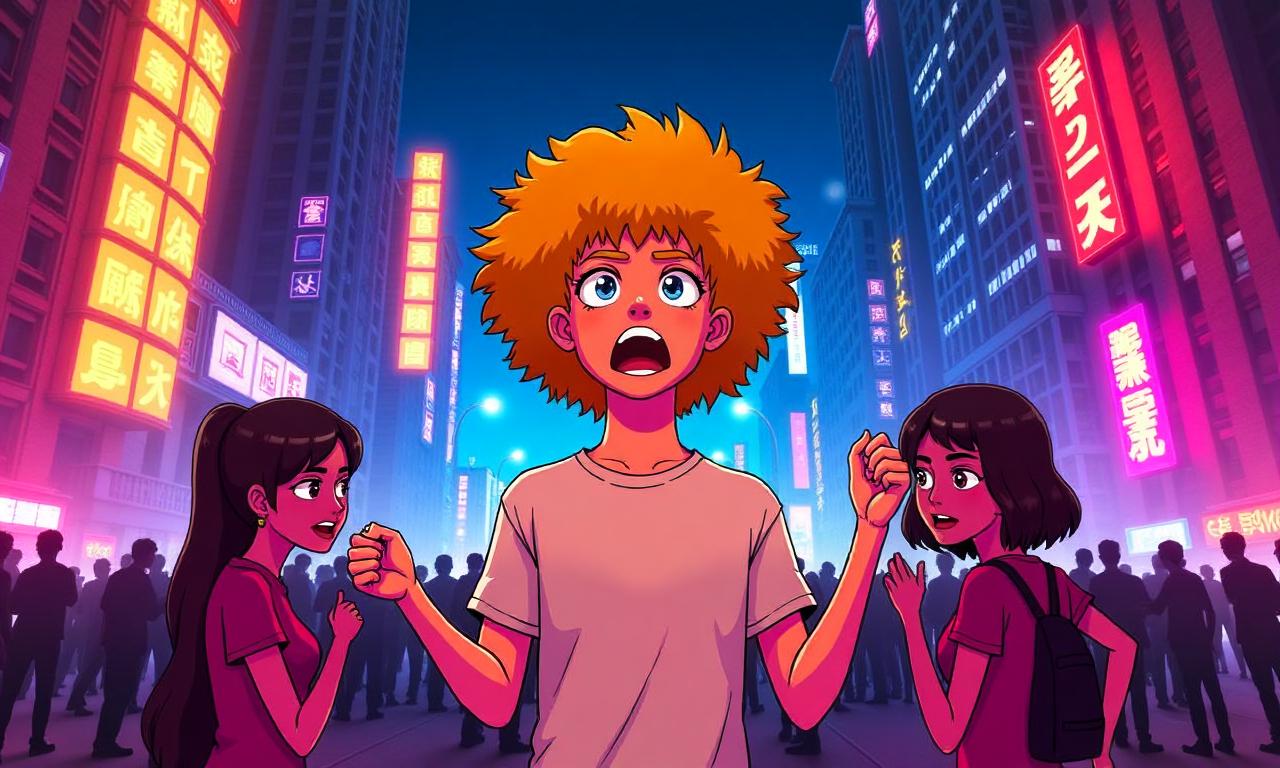
The show’s visual style, once a powerful tool for conveying emotion, now feels like a calculated move for online virality. Neon LED strip lighting, gemstone eye makeup, and avant-garde outfits at small-town events are no longer just aesthetic choices but deliberate attempts to align with the latest trends. While these elements once felt fresh, they now risk overshadowing the show’s core messages. “The visuals are still striking,” Eve Rigby admits, “but they’re less about storytelling and more about creating something shareable.”
Yet, the debate over Euphoria’s direction is not just about style. It’s also about the show’s ability to mirror Gen Z’s experiences. The characters’ struggles—whether with addiction, objectification, or the pressure to conform—continue to resonate, even if the execution feels less authentic. For some, the series has become a cultural touchstone, while for others, it’s a relic of a generation that’s moved on. As the final episode approaches, the question isn’t just about what the show has become, but what it still represents for its audience. Whether it’s a source of unity or division, Euphoria remains a vital, if controversial, reflection of Gen Z’s journey through adolescence and beyond.