Trump Attacks Artists Exiting US Freedom 250 Concert and Considers Taking the Spotlight
Samael.lol – Artists who were scheduled to perform at the Freedom 250 festival, a celebration of America’s 250th anniversary, have begun to withdraw from the event. Many of these performers claimed they were misled about the political stance of the gathering, which was initially presented as a neutral affair. The festival, organized by the group Freedom 250, is set to take place over 16 days on the National Mall in Washington, D.C., from June 25 to July 10. This event was launched last year under the Trump administration, with the president appointing its CEO, yet the organizers insist it is designed to unite Americans rather than align with any political party.
Leadership and Vision Behind the Event
Freedom 250, the organization responsible for curating the Great American State Fair, unveiled the festival’s lineup on Wednesday. The group positions itself as a nonprofit dedicated to fostering national unity through cultural events. However, this claim has been challenged by several artists who have since expressed reservations about the event’s true nature. President Donald Trump, who played a pivotal role in establishing Freedom 250, has taken to social media to address the withdrawal of performers, suggesting he may step in to fill the void.
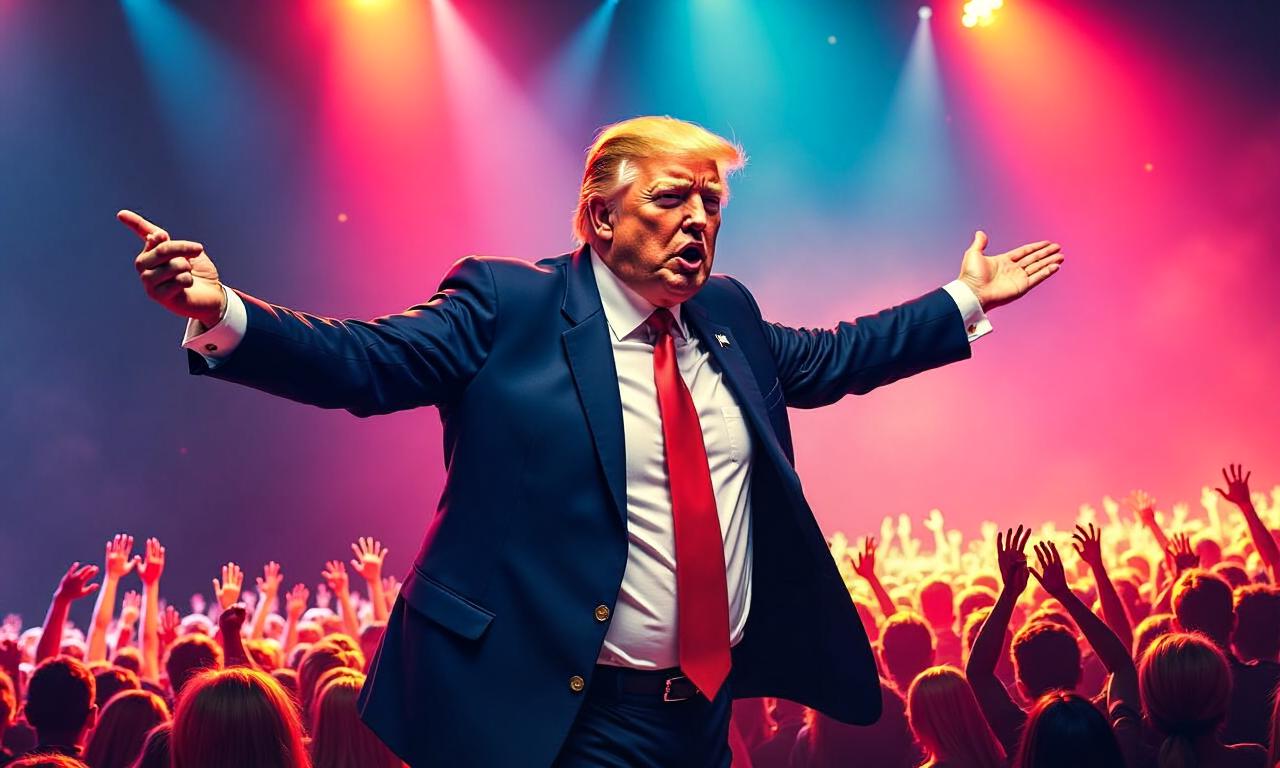
Trump tweeted on Saturday that he was contemplating using the opportunity to deliver a “major speech” in Washington, D.C., at the same time and location as the festival. His remarks were sharp, branding the artists who left as “third rate.” The White House has backed multiple initiatives to commemorate the 250th anniversary of the US Declaration of Independence, including a UFC fight on its South Lawn, the Great American State Fair, and a Grand Prix race in August. Additionally, the administration plans to release limited-edition commemorative passports featuring a portrait of Trump.
Artists Withdraw and Explain Their Decisions
Among the first to exit the lineup were rappers Morris Day and Young MC. Day shared an Instagram post stating, “Contrary To Rumor, Morris Day & The Time Will Not Be Performing At The ‘GREAT AMERICAN STATE FAIR’” with the caption “It’s A No For Me.” Young MC, known for his 1989 hit “Bust a Move,” clarified his reasons on social media, explaining that artists were not informed about the event’s political connections. He expressed hope to perform in D.C. at a future gathering that would be “not so politically charged.”
“The original/real vocalists of Milli Vanilli…will NOT be performing their hits live at the Great American State Fair. Others using the name Milli Vanilli should be considered a tribute band,” the group said in a statement on X.
Similarly, the Commodores announced their departure, emphasizing that their music serves as their personal expression and that they choose not to publicly endorse any political entity. “Our music has always been our voice and we support the betterment of all Americans,” the band stated on their social media accounts. Country singer Martina McBride criticized the event in a statement on X, noting that it was initially framed as nonpartisan but later proved misleading. Bret Michaels, frontman of Poison, echoed this sentiment, stating that the festival had transformed into a “much more divisive” platform than he anticipated.
Michaels also raised concerns about safety, adding that the event’s evolving political tone made him question his involvement. Despite these withdrawals, some artists remain committed to the festival. Rappers Flo Rida and Vanilla Ice are still scheduled to perform, with Vanilla Ice defending the event on his Instagram. “This is not a political platform. This is celebrating America’s birthday,” he wrote in the caption of a video post. The duo’s former member, Fab Morvan, will also perform, though he acknowledged the group’s political affiliations in a separate statement.
Trump’s Plan and the Remaining Acts
Freedom 250 has not yet announced any changes to its lineup. Spokeswoman Rachel Reisner stated in a press release, “There is far too much to celebrate about this great nation to let noise and division distract from the incredible moment ahead.” She added that the festival aims to “welcome millions of Americans to a fair that belongs to all Americans.” Meanwhile, Trump expressed confidence in his ability to attract attention, claiming, “I am the Number One Attraction anywhere in the World.” He instructed his representatives to evaluate the feasibility of hosting an “AMERICA IS BACK Rally” during the same timeframe as the festival.
Despite the controversy, some performers remain supportive. Vanilla Ice, whose real name is Robert Matthew Van Winkle, continues to advocate for the event’s nonpartisan identity. C+C Music Factory, the band behind the 1990s hit “Gonna Make You Sweat,” will also take the stage, with band member Freedom Williams asserting in a video that he will perform despite not endorsing Trump. This divergence highlights the mixed reception of the festival, which has become a flashpoint for debates about political influence in cultural events.
Broader Implications and Political Dynamics
The situation underscores growing tensions between the Trump administration and artists who feel pressured to align with its agenda. While the festival was marketed as a bipartisan celebration, several performers argue it has taken on a more partisan character. This shift has sparked discussions about the role of public events in political messaging and the expectations placed on entertainers to endorse specific ideologies.
Freedom 250’s initial announcement of the lineup was met with optimism, but the rapid exits of key artists have cast doubt on its neutrality. The group’s leadership, which includes Trump’s hand in its formation, now faces the challenge of maintaining its narrative amid public scrutiny. As the festival approaches, the debate over its political affiliations is likely to intensify, with artists and supporters weighing the event’s significance against its potential to polarize audiences.
Trump’s potential involvement adds another layer to the controversy. By suggesting he might replace the performers with a rally, he is positioning himself as the central figure of the event, reinforcing his belief in the festival’s ability to revitalize national pride. However, critics argue that this move could further entrench the political divide, turning a cultural celebration into a partisan spectacle. The White House’s broader efforts to commemorate the 250th anniversary, which include both the Great American State Fair and the Grand Prix race, reflect a strategy to engage the public through diverse initiatives while promoting Trump’s vision of American unity.
In the wake of the withdrawals, the festival’s organizers must navigate the fallout. Their statement insisting that the event is “dedicated to uniting Americans” may now be viewed as a counterpoint to the artists’ claims of being misled. As the dates draw closer, the question remains: can Freedom 250 salvage its image, or will the controversy overshadow its efforts to celebrate the nation’s heritage?
Artists like Young MC and Morris Day have already made their positions clear, while others such as Bret Michaels and Vanilla Ice continue to defend the event. This split highlights the complexity of the situation, where some performers see the festival as a platform for patriotism, while others view it as an opportunity for political alignment. Regardless of the outcome, the incident has sparked a wider conversation about the intersection of art, politics, and public perception in the United States.