US and Iran Exchange Strikes in Gulf in Latest Test of Ceasefire
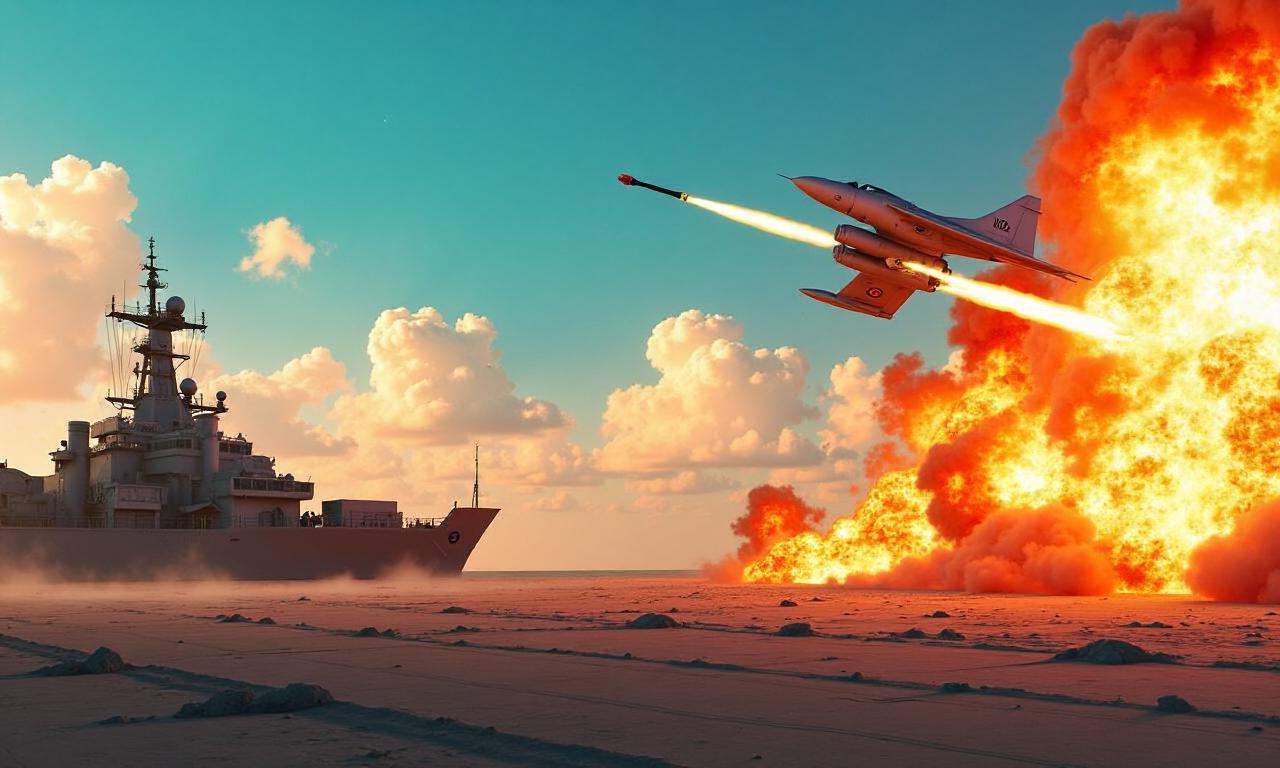
Samael.lol – In a recent escalation of tensions, the United States and Iran carried out coordinated strikes in the Gulf region, testing the durability of their fragile ceasefire agreement. The incident unfolded with the US military intercepting four Iranian unmanned aerial vehicles (UAVs) launched toward the Strait of Hormuz, a critical chokepoint for global oil shipments. According to the US Central Command (Centcom), the drones “posed an immediate threat to regional maritime traffic,” prompting a swift response to neutralize the danger.
Following the drone attacks, US forces targeted Iranian coastal surveillance radar sites on Goruk and Qeshm Island. These strikes aimed to disrupt Iran’s ability to monitor and direct further assaults, Centcom stated. The timing of the attacks coincided with a period of heightened geopolitical risk, as both sides grappled with the challenges of maintaining a fragile peace. However, Iran’s retaliation quickly escalated the situation, with ballistic missiles fired at two US air bases in Kuwait and Navy facilities in Bahrain, as reported by Iran’s state-run Irib news agency.
Centcom confirmed that of the seven Iranian missiles launched at the Gulf states, six were intercepted by US defenses, while one fell short of its intended target. This outcome underscored the effectiveness of the US missile shield, though the attack highlighted the ongoing tensions that have flared despite earlier agreements. The strikes came amid stalled ceasefire negotiations, which had been a central focus of diplomatic efforts to prevent further hostilities in the region. A potential deal to end the war had yet to gain momentum, leaving both nations in a precarious standoff.
Iran’s Denial and US Counterclaims
Iran’s Islamic Revolution Guard Corps (IRGC) swiftly denied responsibility for the drone strikes on Kuwait’s international airport, which had occurred on Wednesday. Local officials reported one fatality and over 60 injuries during the attack. The IRGC claimed the damage was a result of an error by a US missile interceptor, a narrative that contradicted Centcom’s assertion of a “deliberate, calculated and unjustified attack.” The US military dismissed the claim, emphasizing that the IRGC had targeted the airport as part of its broader campaign to retaliate against American military actions.
“The attack was a direct and intentional strike by Iran, not an accident caused by our defenses,” Centcom stated, highlighting the strategic intent behind the assault.
The IRGC’s previous actions had been framed as a response to US strikes on an Iranian oil tanker and Qeshm Island, which had been hit in a February 28 operation. The US and Israel had launched wide-ranging attacks on Iran, sparking a chain reaction of conflict across the Middle East. Iran, in turn, targeted Israel and US-aligned states in the Gulf, effectively closing the Strait of Hormuz to maritime traffic. This move disrupted global energy flows, as approximately 20% of the world’s oil and liquefied natural gas pass through the strait, sending oil prices surging upward.
The closing of the Strait of Hormuz had far-reaching economic implications, affecting markets worldwide. Analysts noted that the disruption could lead to supply shortages and increased energy costs, further straining international relations. Iran’s actions also served as a warning to the US, signaling its determination to challenge American military presence in the region. The Iranian leadership framed these strikes as a necessary measure to defend its interests and assert regional dominance.
A Blockade and a Ceasefire in Peril
Shortly after a ceasefire was tentatively agreed upon in early April, the US took additional steps to curb Iran’s activities by imposing a blockade on Iranian ports. President Donald Trump declared the measure would remain “in full force and effect until an agreement is reached, certified, and signed,” according to official statements. The blockade aimed to limit Iran’s ability to export oil and fund its military operations, but it also intensified the standoff between the two nations.
Iran’s response to the blockade was swift and symbolic. The country’s missile strikes on US facilities in Kuwait and Bahrain demonstrated its readiness to escalate tensions at any moment. Centcom’s report of the intercepted missiles provided a measure of reassurance, but it also revealed the vulnerability of US assets to Iranian precision weaponry. The strategic location of the targets—Kuwait and Bahrain—was chosen for their proximity to the Gulf, emphasizing Iran’s focus on undermining US influence in the area.
“Iran’s attacks were not just a show of force; they were a calculated effort to disrupt US operations and pressure the administration into negotiations,” said a Centcom spokesperson, as quoted in a recent statement.
The US-Israel strikes on February 28 had been a catalyst for the current crisis. The attack on the oil tanker and the radar site on Qeshm Island marked a turning point, drawing Iran into a direct confrontation with Western forces. In retaliation, Iran launched a series of strikes against Israel and Gulf allies, including the closure of the Strait of Hormuz. This move not only targeted US supply lines but also aimed to demonstrate Iran’s ability to strike back with precision and scale.
As the situation unfolded, the ceasefire between the US and Iran faced significant strain. The conflicting narratives over the Kuwait airport strike exemplified the distrust between the two parties, with each side attributing the incident to the other’s aggression. The IRGC’s claim of a US error contrasted sharply with Centcom’s insistence on Iran’s deliberate intent, creating a rift in the diplomatic dialogue. Despite the US’s commitment to the ceasefire, the attacks suggested that neither side was willing to fully back down.
Analysts suggest that the recent strikes may have been a test of the ceasefire’s resilience, with both nations seeking to gauge the other’s response. The US’s swift military action in the Gulf, combined with Iran’s counterattacks, reflected a pattern of reciprocal aggression that had characterized the conflict. As the talks continued, the stakes grew higher, with the potential for a full-scale war looming over the region. The outcome of these strikes could determine the future of the ceasefire and the broader geopolitical balance in the Middle East.
In the aftermath of the exchange, the international community watched closely, as the situation in the Gulf remained volatile. The US’s focus on securing its interests in the region, coupled with Iran’s determination to assert its sovereignty, highlighted the complex dynamics at play. While the ceasefire was still in place, the recent attacks underscored the challenges of maintaining stability in a region already teetering on the edge of conflict. The coming days would be crucial in deciding whether the fragile agreement could withstand the pressures of military posturing and political brinkmanship.
As tensions continue to rise, the Gulf region stands at a crossroads. The US and Iran’s exchange of strikes has not only tested the ceasefire but also reminded the world of the high stakes involved in the ongoing rivalry. With oil prices at a peak and maritime routes under threat, the potential for further escalation remains a pressing concern. The international community, including key allies, will need to remain vigilant as both nations prepare for the next phase of their conflict.