
I will never get over watching my home of 13 years burn down
I Will Never Get Over Watching My Home of 13 Years Burn Down
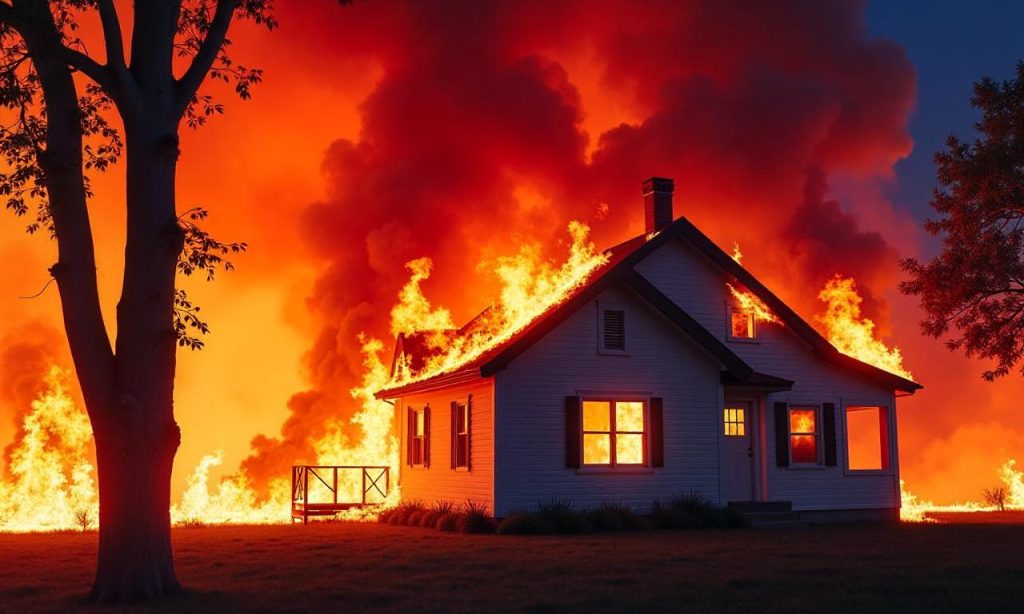
I will never get over watching – Residents of Belfast, including a family with a newborn infant, are still grappling with the aftermath of Tuesday’s unrest as they assess the damage caused by fires that forced them to abandon their homes. The city witnessed widespread chaos during protests that erupted after a knife attack, leaving multiple properties in flames and disrupting daily life. Among those affected is Jamie Corrie, a man who has lived on Lendrick Street in east Belfast for over a decade, whose home was reduced to ashes. Speaking outside the charred remains of his house on Wednesday, Corrie described the moment his home was set ablaze as a “feeling I’ll never get over.”
Fire as a Symbol of Disruption
Corrie recounted that the flames began after a car belonging to “foreign nationals” in the neighboring property was torched. “By the time the fire trucks arrived, my house was already engulfed in flames,” he said. The sight of his home burning down, he added, left an indelible mark. “There’s stuff in there that’s sentimental, can’t be replaced, that you’ll not get again.” His words echoed the emotional toll of the violence, which targeted not only property but also the sense of security in the community.
“See standing there watching your house get burnt… that’s a feeling I’ll never get over,” Corrie said, his voice trembling as he recalled the chaos.
Meanwhile, in the north of Belfast, a pastor assisting families during the riots claimed that the attacks were driven by racial prejudice. “They were put out because they’re black,” he stated, highlighting the broader implications of the violence. The incident sparked outrage, with the victim’s family urging for “peaceful protest as the only way forward” and emphasizing the positive contributions of migrants to society.
Global Impact of the Riots
The unrest in Belfast extended beyond the city’s borders, prompting similar actions in Scotland. Three individuals were arrested there, with an assistant chief constable noting that the attacks were fueled by “the colour of their skin.” This parallel in violence underscored the national and international reach of the protests, which began in response to a knife attack in the city. Hadi Alodid, a 30-year-old from Sudan, was charged with attempted murder for the incident that left the victim with severe injuries, including the loss of an eye.
Back in Belfast, the fires led to the temporary shutdown of public transport, with buses and trains ceasing operations at 17:00 and 18:00 on Wednesday. The disruption forced some schools to close early, though authorities confirmed there was no plan to shut all educational institutions. “Efforts should be made to minimise disruption to students,” the department stated, while allowing school leaders to act based on local conditions. The focus remained on maintaining continuity in education, even as tensions lingered.
Community Struggles and Resilience
Yura, 19, from a Ukrainian family, described the scenes of Tuesday’s violence as “terrifying.” She and her family had to flee their home on Lendrick Street, with her front door catching fire. “It had to be kicked out to stop the flames from entering the house,” she explained. The ordeal was compounded by the need to escape through the back door, as her neighbor’s dog was trapped inside. “My friends nearby let me crash for the night,” she said, showing the community’s support in the face of adversity.
For Anselme Shima, a long-time resident of east Belfast, the violence was a personal blow. “I didn’t know what I could do to protect my children,” he said, reflecting on the fear that gripped the neighborhood. The Turkish barber shop, owned by a co-owner who has been operating the business for 20 years, also became a target of the disorder. Speaking to BBC Radio Ulster’s Talkback programme, the owner expressed deep sorrow over the damage, describing how staff spent the morning cleaning up the night’s chaos.
The riots have not only left physical scars but also sparked conversations about identity and belonging in Belfast. While the immediate cause was the knife attack, the protests evolved into a broader expression of frustration, particularly among those feeling marginalized. The anti-immigration rally in Dublin’s O’Connell Street, reported by Irish broadcaster RTÉ, highlighted the transnational nature of the anger, linking the Belfast violence to wider societal tensions.
Authorities’ Response and Ongoing Concerns
Prime Minister Sir Keir Starmer called for calm, with political leaders in Northern Ireland preparing for potential protests and disruptions on Wednesday. Chief Constable Jon Boutcher of the Police Service of Northern Ireland (PSNI) announced increased police presence in the city, aiming to prevent further violence. “We’re ready for any escalation,” he said, underscoring the urgency of the situation.
As the city recovers, residents continue to weigh the cost of the riots. Corrie, who had warned protestors about his property before the car was set on fire, questioned the resolve of the actions taken. “What does this resolve? What does this actually do?” he asked, expressing disillusionment with the cycle of destruction. His words resonate with many in the community, who now face the challenge of rebuilding not just their homes, but also trust in a society that seemed to turn against them.
The events of Tuesday night have become a stark reminder of the fragility of peace in Belfast. From the flames consuming a decade-old home to the closure of schools and the suspension of transport, the impact is far-reaching. Yet, amid the chaos, stories of resilience and solidarity emerge. Yura’s escape with her dog, Corrie’s determination to rebuild, and the support from local friends all point to the enduring spirit of the people in the face of adversity.
As the dust settles, the focus shifts to the future. With three arrests in Belfast and three in Scotland, the authorities are working to identify those responsible, but the underlying issues of race and belonging remain unresolved. The PSNI’s heightened patrols and the Department of Education’s cautious approach signal a balance between security and continuity. For now, the community is left to navigate the aftermath, hoping that the fires will not mark the end of their shared future but instead ignite a renewed commitment to unity.