Turkey and Armenia: When will the border crossings open?
Samael.lol – For years, the relationship between Turkey and Armenia remained strained, cutting off direct interaction. However, a significant shift occurred in June 2025 when Armenian Prime Minister Nikol Pashinyan made a symbolic visit to Turkey, meeting with President Recep Tayyip Erdogan. This moment marked the first time a high-ranking Armenian official crossed into Turkish territory, signaling a potential end to decades of separation.
Historical Context
The two nations share a 330-kilometer land border, yet their enmity traces back over a century. The 1915 Armenian genocide in the Ottoman Empire has long been a flashpoint, with Germany and other Western countries officially acknowledging it in 2016. Compounding this, Turkey’s support for Azerbaijan in the Nagorno-Karabakh conflict led to the closure of the border in 1993, severing direct ties between the countries.
Despite this, a cautious thaw has begun since 2022. Armenia has softened its stance on the 1915 events, no longer demanding formal recognition as genocide. In 2023, a peace agreement with Azerbaijan ended the decades-long war over Nagorno-Karabakh, opening the door for renewed economic cooperation.
Trade and Economic Prospects
Business leaders in Turkey now anticipate a boost in bilateral trade if the border reopens. Currently, most goods flow through Georgia, with approximately 99% of transactions involving Turkish products being routed via that country. Kaan Soyak, head of the Turkish-Armenian Business Development Council, highlights the impact of the closed border: “Trade worth around 300–350 million US dollars passes between us via Georgia, and this could surge to a billion dollars if the crossings open.”
“With direct access restored, logistics corridors—like energy and telecom networks—could connect the Caucasus more efficiently,” Soyak adds.
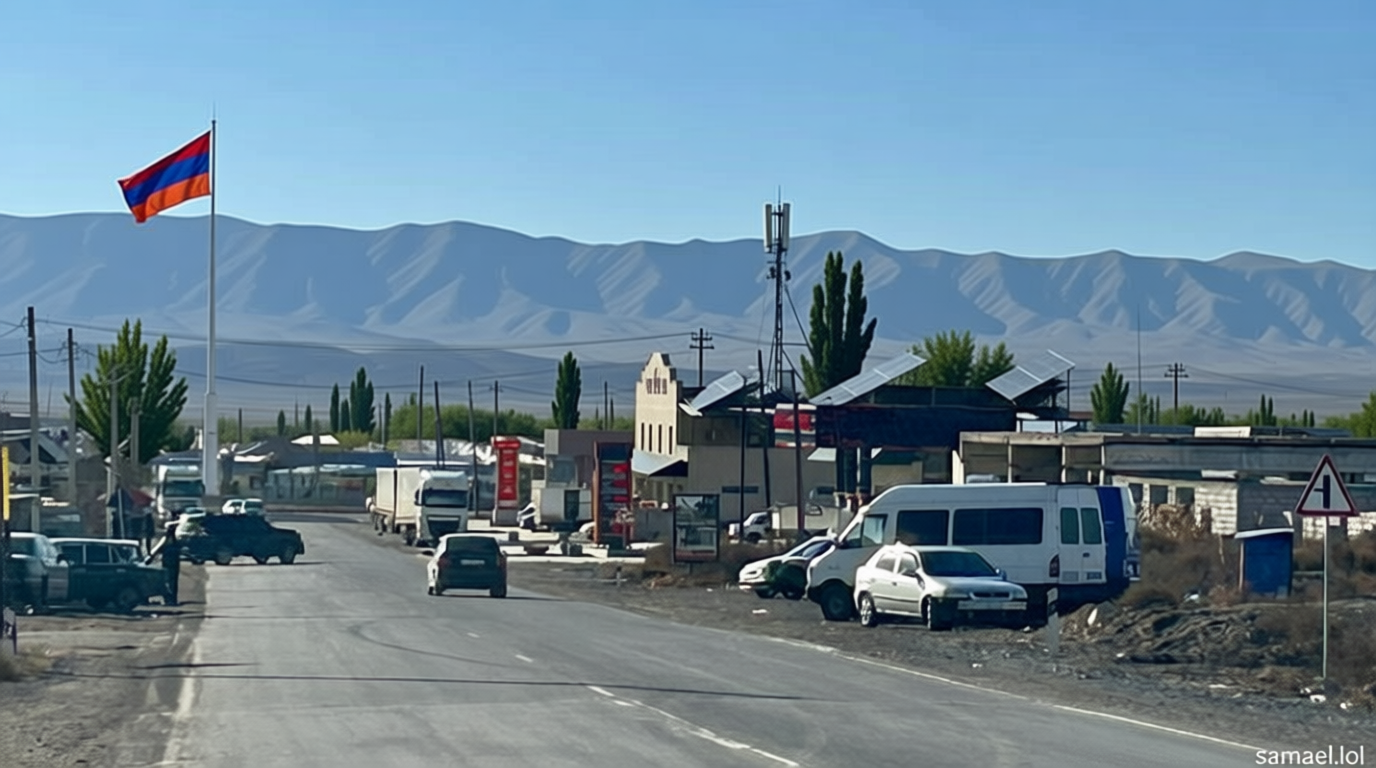
Two key border points, Alican in Igdir Province and Akyaka in Kars Province, have been closed since the Nagorno-Karabakh conflict began. Observers suggest both could reopen within months, but delays persist due to the ongoing Iran war, which has affected regional stability.
The Trump Corridor and Regional Hopes
Kadir Bozan, president of the Kars Chamber of Commerce, emphasizes the importance of the so-called Trump Corridor. This 43-kilometer route, part of a peace plan brokered by Donald Trump in 2023, aims to enhance trade and connectivity. Its completion could unlock new economic and cultural opportunities for both nations.
Residents in Turkey’s eastern provinces—Kars, Igdir, Agri, Ardahan, and Van—have long awaited the border’s reopening. These areas, some of the poorest in Anatolia, face limited economic growth. With a per capita GDP of just €3,250 to €4,350, local communities see the border as a lifeline for commerce and tourism.
Historical and religious sites on Turkey’s side of the border could also benefit from increased access. Bozan notes that the Trump Corridor’s infrastructure is critical for fostering regional ties and attracting visitors from Armenia and its diaspora worldwide.