Beauty as Strategy: Why K-Beauty Is Also a Political Success
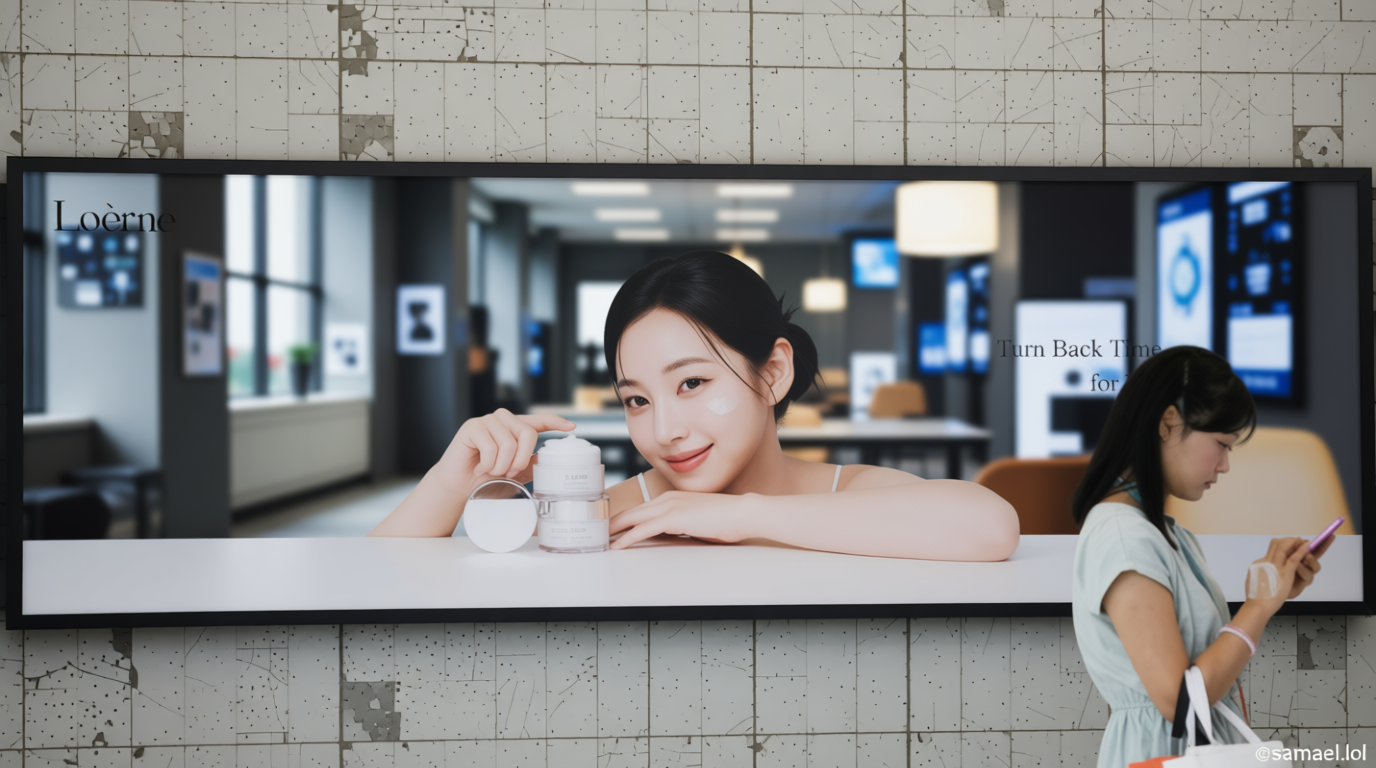
Samael.lol – South Korea’s global influence extends far beyond its cultural exports. The nation has masterfully blended pop culture, technological advancement, and strategic policy to position beauty products as a tool for economic and political leverage. Once celebrated for its automotive and tech industries, the country later gained traction through K-pop and K-dramas, and now its skincare and cosmetics are sought after worldwide.
The Rise of K-Beauty
Exports of Korean cosmetics surged in 2025, reaching $11.43 billion, a 12.3% increase from 2024’s $10.2 billion, according to the South Korean Ministry of Trade and Industry. This growth reflects more than a market shift—it signals a deliberate effort to enhance the country’s soft power.
“Soft power means using attractiveness, not force, to influence others,” notes Hannes Mosler, a political scientist and Korea expert at the University of Duisburg-Essen. He emphasizes that South Korea’s strategic use of cultural appeal is vital given its geopolitical position between two dominant powers.
Experts argue that K-beauty is deeply tied to the nation’s broader image. The global expansion of K-pop and K-dramas has fueled consumer interest, as noted by Stefan Tobel, CEO of Kencana, a Hamburg-based company importing Korean cosmetics. “K-pop stars or series create visibility and with it demand,” he explains, highlighting how cultural exports drive market trends.
Skincare Philosophy and Innovation
Korean skincare is distinguished by its focus on prevention and long-term health, unlike traditional approaches that prioritize coverage. Euromonitor International, a London-based firm specializing in market analysis, highlights this shift: “The market moves extremely fast. New ingredients, new formats, new routines. Anyone who isn’t permanently innovating immediately loses relevance.”
Stefan Tobel adds that the Korean model emphasizes continuous improvement over temporary fixes. “Skin should not be covered up, but improved,” he says, underscoring the societal emphasis on appearance. This culture of competition and social expectation has shaped a demanding market, where products must meet high standards to succeed.
“Korean popular culture is being deliberately deployed as a tool of ‘nation branding,’” says the international research network ResearchGate, which compiles global scientific findings. The strategy aligns with South Korea’s broader goal of projecting a modern, attractive image on the world stage.
Social media platforms like TikTok and Instagram play a pivotal role in spreading K-beauty trends. These tools amplify visibility, allowing Korean brands to dominate international conversations. The rapid innovation cycle in the sector, as described by Grand View Research, further cements its global appeal. By integrating cultural and economic strategies, South Korea has transformed beauty into a powerful diplomatic asset.