Does the Estonian city of Narva really want to join Russia?
Samael.lol – Narva, situated at Estonia’s eastern edge, borders Russia directly. Despite its modest size—home to approximately 52,000 residents—this city has become a focal point for discussions about European security, cultural identity, and the future of the EU. While a standard map of Estonia might not highlight it, Narva’s position on the EU’s eastern frontier carries more weight than its appearance suggests.
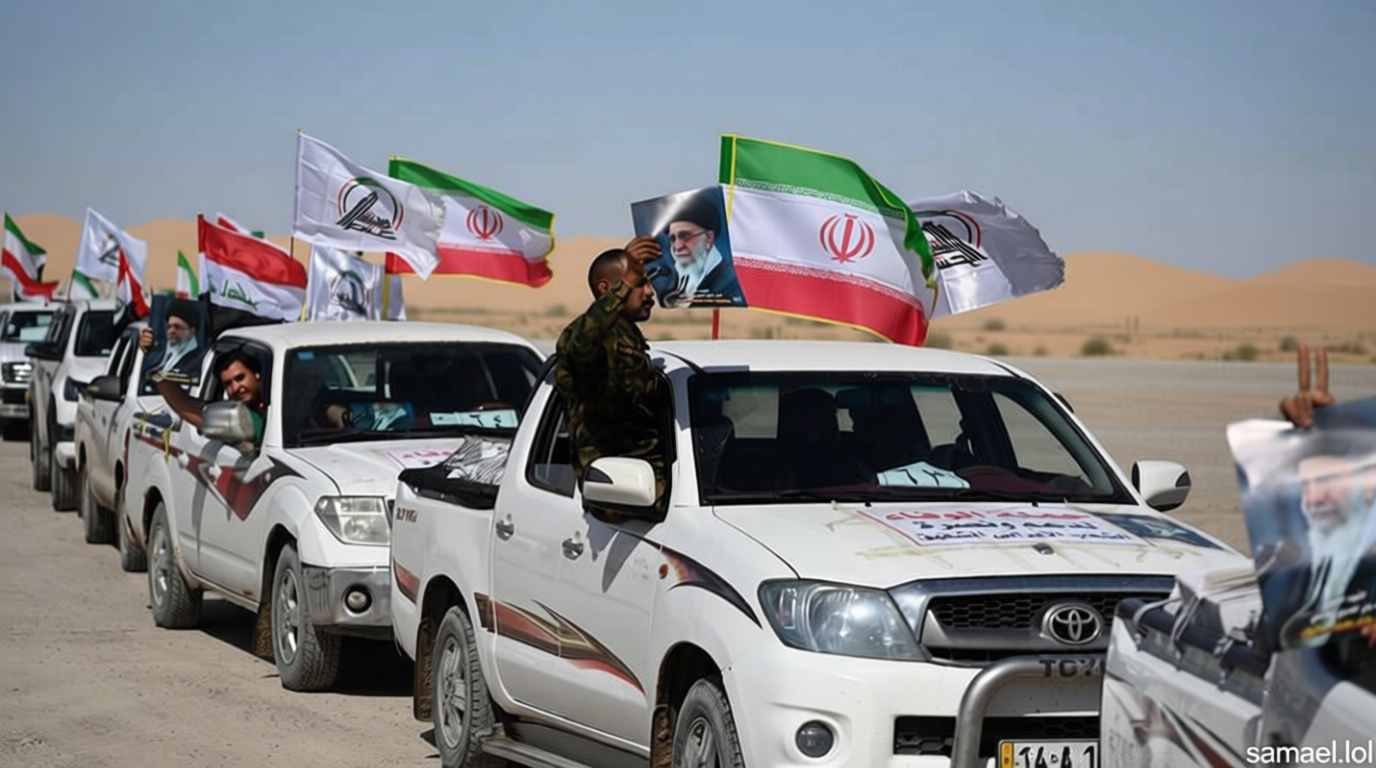
The recent surge in online chatter has fueled speculation about local support for seceding from Estonia and aligning with Russia. Social media platforms, including Telegram, have seen calls for a “People’s Republic of Narva,” complete with a flag and coat of arms. These symbols evoke memories of pro-Russian propaganda seen in Crimea, raising questions about their intent and impact.
A City of Two Worlds
Although Narva is part of the European Union, its ties to Russia remain strong. About 2% of its population speaks Estonian at home, while the majority communicate in Russian. A third of residents hold Russian passports, underscoring the city’s dual cultural and geopolitical identity. The Russian border is open but restricted to pedestrian access during daylight hours. Vehicles are barred from crossing the bridge, which is currently under repair until the end of the year—a decision made by Russian authorities.
For many Narva residents, daily life involves crossing into Russia. Whether for shopping or visiting relatives, the border is a familiar part of routine. Yet, the city’s position as a border hub has shifted. Once seen as a gateway for economic opportunity, Narva now faces uncertainty. Local journalist Roman Vikulov notes that people are leaving due to “frustration and insecurity” about the city’s future, not necessarily because they want to join Russia.
While some locals joke about the idea of a “People’s Republic of Narva,” others dismiss it outright. “Complete nonsense,” one resident remarks. “Unimaginable.” Another adds, “I don’t think the residents of Narva would want to be part of Russia. I don’t know anyone who would.” These sentiments reflect a complex mix of emotions, with disappointment but no clear push for secession.
Estonian Perspectives on the Rumors
Estonian intelligence services have labeled the secessionist talk as provocative. Mayor Katri Raik, however, remains unconcerned. “The people of Narva are worried about their city’s image,” she explains. “Such reports give us negative publicity, and nobody wants that. Our people love their city and simply don’t have time to invent these kinds of stories.”
Narva’s connection to Europe is also a point of pride. The city is often described as the starting point of the EU, and many residents embrace this identity. This sentiment is reinforced by recent developments, such as the opening of Europe’s largest rare-earth magnet factory in September of last year. Funded by the EU, the plant aims to reduce reliance on Chinese imports and support the bloc’s strategic autonomy in critical technologies.
On the streets, conversations about politics are rare. An elderly passerby tells DW, “I’m not interested in any of that. I’ve lived in Narva a long time, and the city is what it is. It is always going to be my city.” These personal reflections highlight the everyday reality of life in Narva, where the border is a backdrop rather than a defining line.