Easter Celebrations and Peace Demonstrations in Germany
Samael.lol – As the Easter holiday unfolds, Germany is witnessing a mix of religious observances and public demonstrations. The day is marked by church services and the continuation of traditional peace marches, which have become a recurring feature in the country’s cultural calendar. DW provides an update on the latest developments from the Easter weekend.
Commemorating a 1986 Terror Tragedy
Alongside the festive spirit, attention is drawn to the remembrance of the 1986 La Belle nightclub attack in former West Berlin. The event highlighted the ongoing impact of that tragedy, with participants reflecting on the loss of lives, including several U.S. military personnel. This year’s peace marches carry a dual focus: advocating for peace and addressing current global tensions.
Peace March Participation and Themes
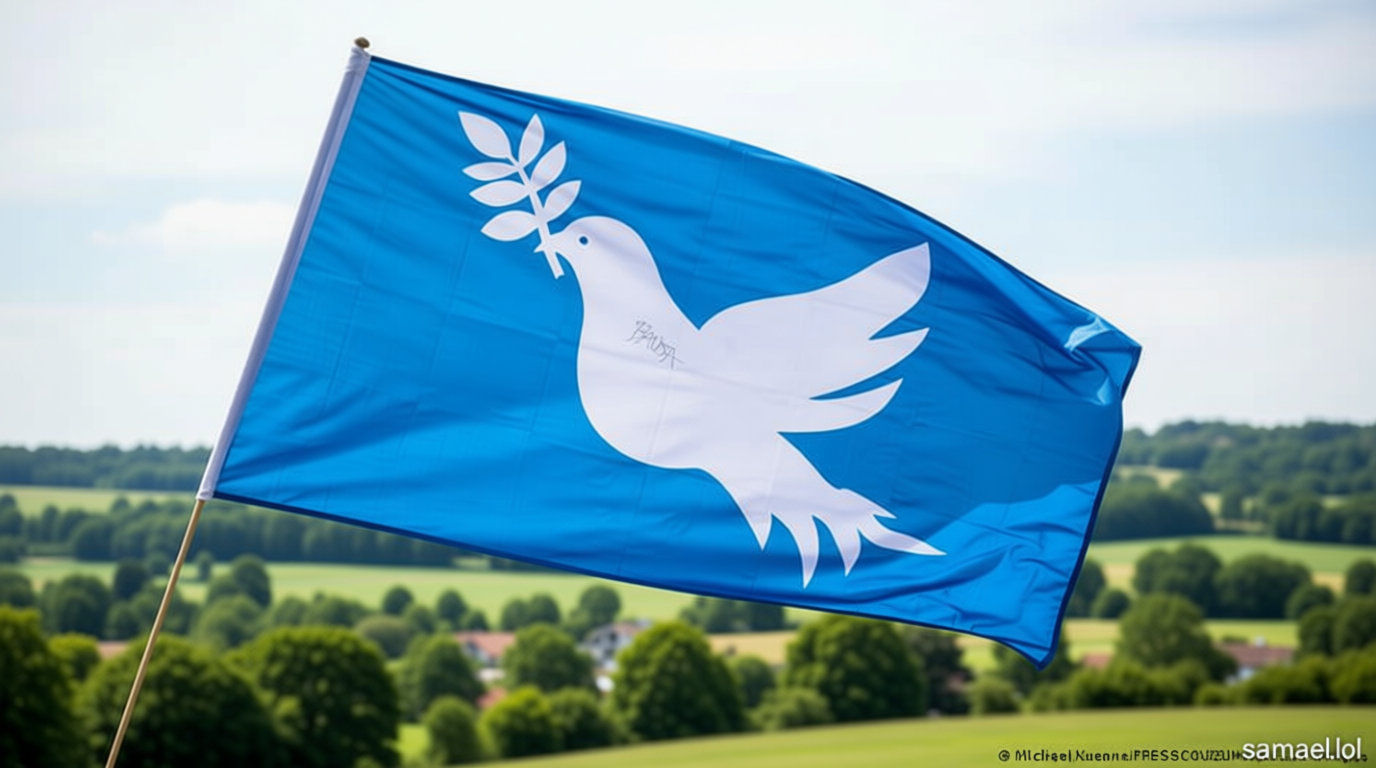
Thousands of individuals joined the peace marches across 70 cities and towns on Saturday. The Network of the German Peace Movement reported active participation, though the scale varied between locations. Stuttgart recorded around 3,000 demonstrators, Berlin attracted 1,600, and Duisburg saw 300 attendees. The marches, traditionally held on Saturdays, also include planned actions for Sunday and Monday. This year’s theme centers on the reintroduction of conscription and the country’s military expansion, drawing significant youth engagement.
Government Measures and Fuel Price Surge
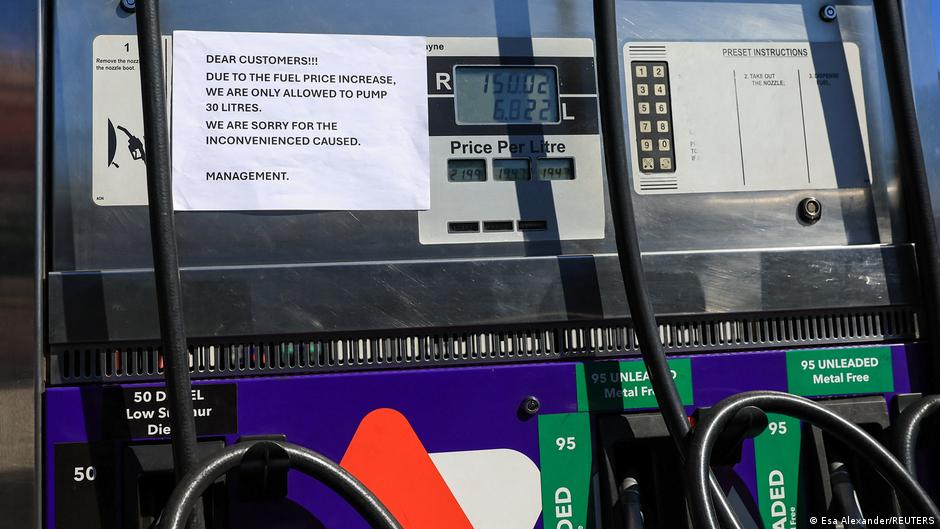
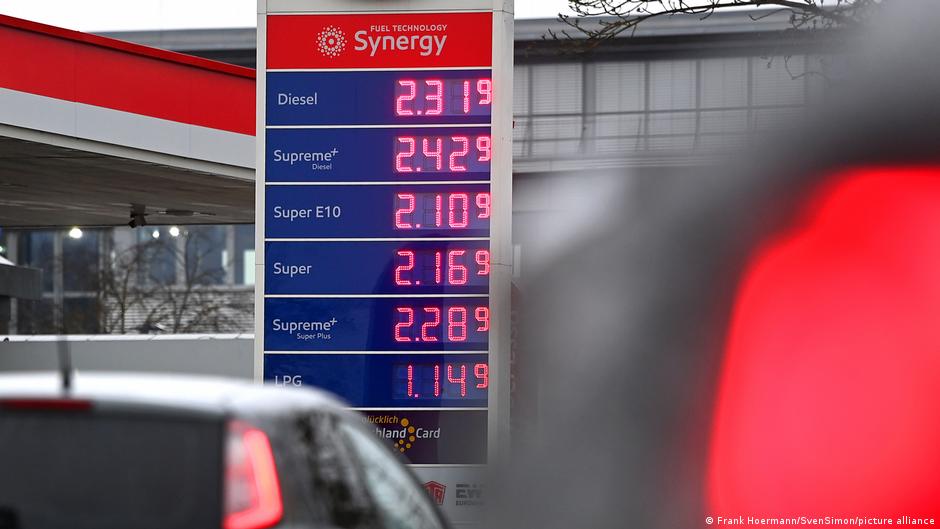
Meanwhile, diesel prices in Germany reached a new record high, sparking concerns over affordability. ADAC, a car association, noted that the daily average for a liter of diesel hit €2.391 on Friday, surpassing the previous high of €2.346 from Thursday. In response, the German government implemented a rule limiting price hikes to once daily at noon, inspired by Austria’s approach. However, ADAC criticized the policy, arguing it failed to curb costs effectively.
Political Landscape and Public Sentiment
A new survey reveals that the far-right AfD has become Germany’s leading political force, with 26% support according to the INSA poll for Bild am Sonntag. This remains unchanged from the prior week, while Chancellor Friedrich Merz’s CDU/CSU coalition saw a 1% drop to 25%, and the SPD fell to 13%. Other parties, including the Greens and Left, maintained their 12% and 11% shares. The AfD has capitalized on rising public frustration over economic issues like energy costs and industrial job losses.
Russian Threat and Domestic Policy Pressures
Russia’s military presence has prompted Germany to conduct its largest war drill in decades, simulating the evacuation of wounded NATO allies from Lithuania’s border. The exercise tests the nation’s readiness for large-scale crisis scenarios. Separately, increasing fuel costs are fueling calls to remove VAT on essential foods, with the SPD’s business arm urging the government to exempt items such as fruits, vegetables, and bread from the tax.
“It is important that so many people are taking to the streets for peace,” said Kristian Golla of the Network of the German Peace Movement. “In almost 40 years of Easter peace marches, I have never experienced an Easter that was so full of crises around the world.”