Serbia, Hungary say explosives found at Russian gas pipeline
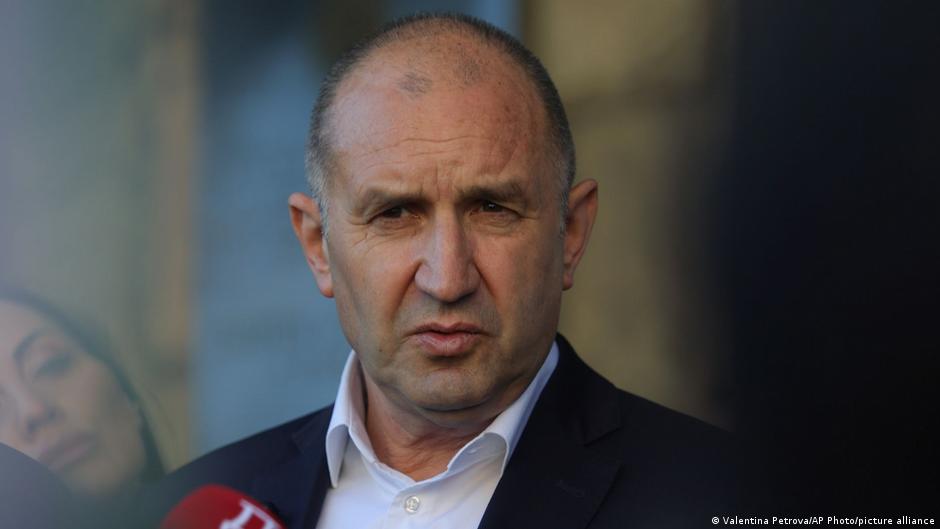
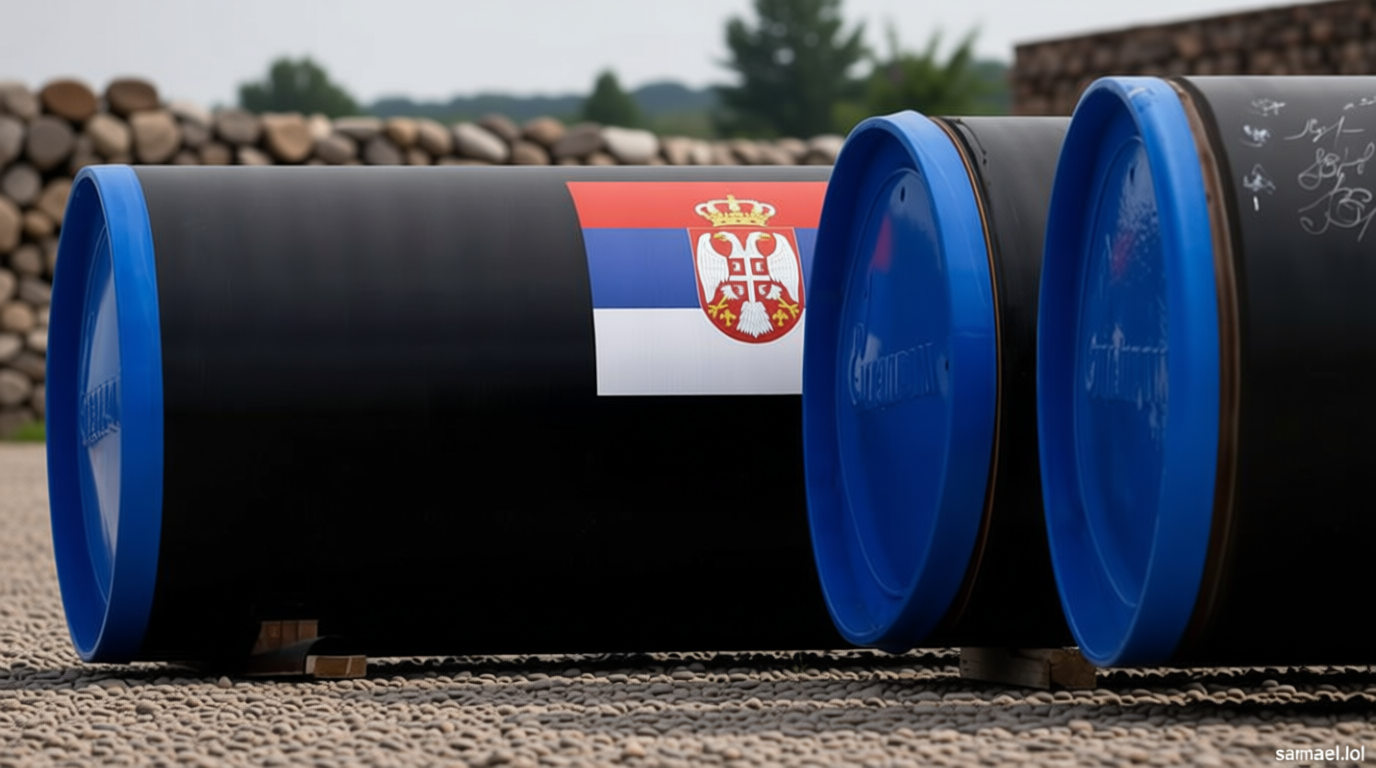
Samael.lol – Leaders of Serbia and Hungary revealed the discovery of explosives near a key gas pipeline, raising concerns about potential sabotage. Serbian President Aleksandar Vučić shared the find on Instagram, highlighting the presence of “devastating power” detonators and explosive packages. The location was Kanjiza, a northern Serbian town, situated just a short distance from the Balkan Stream pipeline, which delivers Russian gas to Hungary.
Hungarian Prime Minister Viktor Orbán convened his Defense Council to address the situation, citing intelligence suggesting a premeditated act of sabotage. Following the meeting, he emphasized the urgency of the threat. However, neither leader provided additional specifics or visual evidence to substantiate the claim.
“Our units uncovered an explosive of devastating power,” Vučić stated in his Instagram post. He noted two significant packages with detonators were located in Kanjiza, a few hundred meters from the pipeline.
The Balkan Stream pipeline traverses Bulgaria and Serbia before reaching Hungary, linking the region to Russian gas transported under the Black Sea to Turkey. Orbán alleged that Ukraine has been systematically obstructing European access to Russian energy for years, though he refrained from directly implicating the country or other parties in the incident.
Ukraine swiftly denied any involvement, with its Foreign Ministry spokesperson Heorhii Tykhyi asserting, “We categorically reject attempts to falsely link Ukraine to the incident with explosives found near the Turkstream pipeline in Serbia.” Tykhyi suggested the event could be a Russian false-flag operation, part of Moscow’s broader influence on Hungarian elections.
Both nations rely heavily on imported Russian gas, making the pipeline a critical infrastructure target. Recently, Orbán accused Ukraine of intentionally delaying repairs to a separate damaged pipeline, which had already disrupted oil supplies to Hungary and Slovakia. The latest developments occur just days before Hungary’s highly anticipated elections, where Orbán’s nationalist party faces a potential challenge.
The opposition’s lead candidate, Peter Magyar, responded to the news by questioning Orbán’s motives, claiming the leader aimed to instill fear before the vote. “Several people indicated something would ‘accidentally’ occur at the gas pipeline in Serbia at Easter,” Magyar stated in a Facebook video. “And so it happened.”