Was 11 minutes of stoppage time at West Ham excessive?
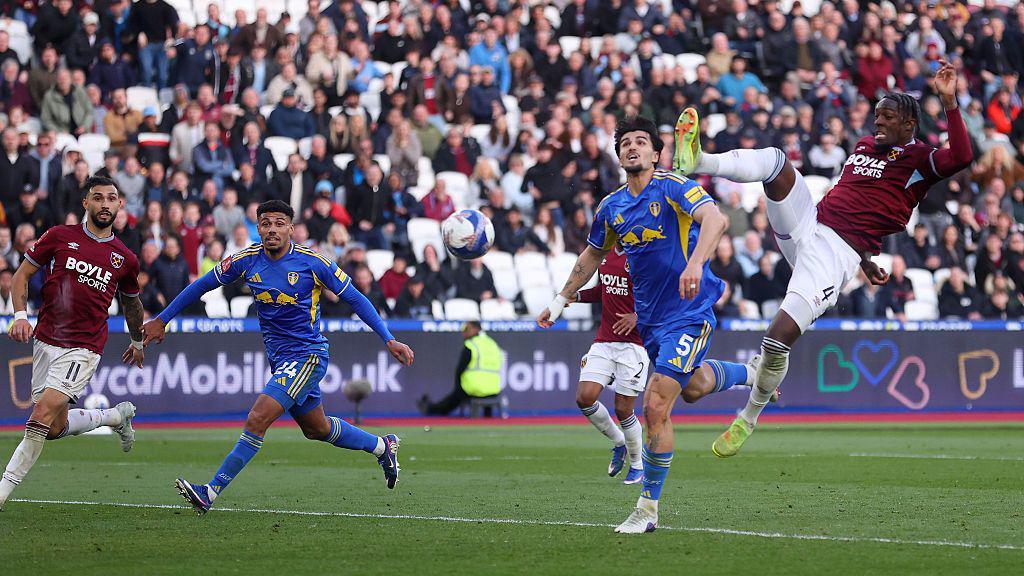
Samael.lol – The FA Cup quarter-final clash between West Ham United and Leeds United saw a significant disparity in added time compared to Manchester City’s 4-0 victory over Liverpool the previous day. While Craig Pawson extended the match by 11 minutes at the London Stadium, enabling West Ham to overturn a 2-0 deficit and push the game into extra time and a penalty shootout, Michael Oliver opted for zero extra time in the Etihad Stadium encounter.
Social media platforms buzzed with questions from fans about Oliver’s decision, particularly after the West Ham match required multiple stoppages. The game featured two goals, six substitutions, and several delays, ultimately decided by a penalty shootout in favor of Leeds. Despite the controversy, this approach is common in cup ties where the result appears certain.
FIFA’s head of referees, Pierluigi Collina, previously discussed scenarios where ending a match early is acceptable. He noted that in cup games with no chance of overturning the outcome, referees can choose to terminate play promptly. However, Collina emphasized that league matches must always allow for potential dramatic finishes, as goal difference often remains pivotal.
West Ham’s added time was justified by the sequence of events. Three minutes were spent treating Adama Traore and Joe Rodon, two minutes for physio substitutions involving Pablo and Jaka Bijol, and one minute for checking Noah Okafor’s injury. Additionally, a penalty review via VAR and two substitute replacements accounted for the extra minutes.
“When we are ever in the lead it feels like a crazy amount of time on it,” said Leeds manager Daniel Farke. “When we are chasing a game it feels like it is only three minutes. You have to deal with it and it is up to the officials to decide. I’m used to accepting the officials’ decisions and I try to not complain about it. It is what it is.”
West Ham’s 96th-minute equalizer by Axel Disasi sparked a dramatic turn, forcing extra time and a penalty shootout. Many fans had already left the stadium as the match approached the 90th minute, but the late goal prompted a surge back. The hosts also faced controversy when they reversed a pre-match decision by the safety officer, who had initially ruled out a penalty shootout in front of the Leeds supporters due to safety concerns. Farke later reflected on the situation, highlighting the potential bias in the stadium layout.
Recalling December’s FA Cup match, West Ham’s manager Nuno Espirito Santo expressed frustration over a VAR decision that allowed Brighton to equalize in injury time. Kostoulas’ overhead kick nearly touched the head of defender Konstantinos Mavropanos, yet the goal stood. Espirito Santo’s anger at the VAR’s inaction contrasts with his team’s own benefit from the West Ham match’s extended time.