Why Honda Engine Is Not the Only Issue with Aston Martin – F1 Q&A
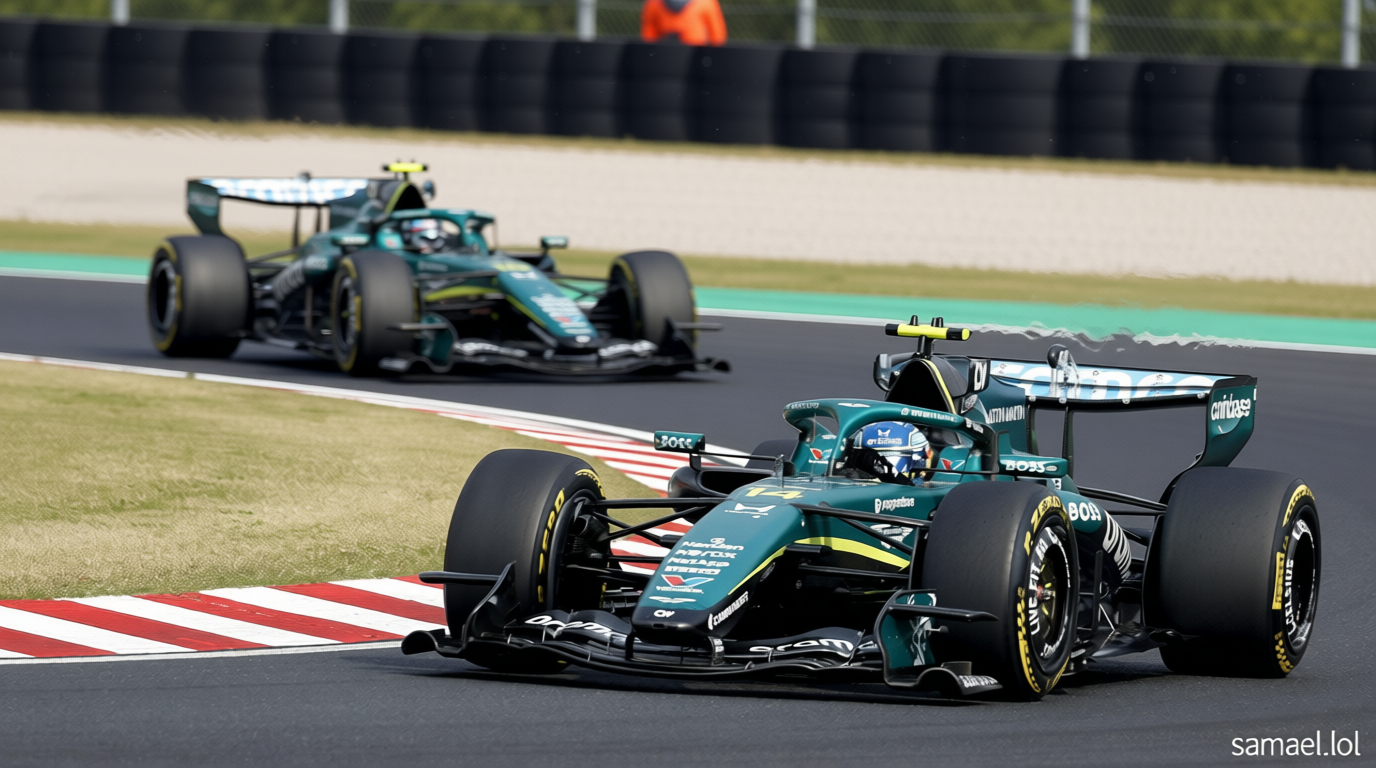
Samael.lol – Formula 1 has paused its racing schedule during April due to the cancellation of the Bahrain and Saudi Arabian Grands Prix, yet there remains ample discussion. BBC F1 correspondent Andrew Benson has been addressing fan inquiries, including one from Kevin who questioned the extent of Honda’s responsibility for Aston Martin’s performance. Benson highlighted in his Suzuka race report that the team’s time loss is partly attributed to the chassis, not solely the Honda power unit.
Chassis and Engine Deficit
Aston Martin-Honda’s deficit to the front in the Japanese GP was more than half due to the chassis, according to a senior figure observed over the weekend. This aligns with GPS data shared across teams, revealing the car’s speed inconsistencies. While the exact split between chassis and engine shortcomings is unclear, the engine’s influence on cornering is acknowledged.
“We’re maybe the fifth best team on the chassis side, so sort of potential Q3 qualifiers, but with the potential to be up front at some point in the season,” said Adrian Newey, team principal, in Australia.
The Aston Martin’s average gap to the top pace in the first three races, including the China sprint, is 3.6 seconds. Alpine, for instance, trails by 1.268 seconds, while Haas is 1.567 seconds behind. This suggests the team is roughly 2.3 seconds off qualifying positions, with most of the gap stemming from the chassis and the remainder from the engine.
Safety Car Rules and Luck
Alan raised concerns about the safety car’s role in races, arguing it introduces an element of luck. At Suzuka, this became evident when Kimi Antonelli gained an advantage through a stop during the safety car period, while Oscar Piastri and George Russell had pitted under green-flag conditions. Mercedes, however, maintain that the safety car didn’t alter the result, as Antonelli would have still won once Ferrari’s Leclerc pitted and he was clear.
“Once Charles Leclerc’s Ferrari had pitted and Antonelli was in clear air, the Italian was lapping faster than Piastri,” stated Mercedes’ analysis.
While safety car rules have evolved since their introduction over 30 years ago, changes to eliminate free stops have not been proposed. The current system, though debated, remains in place as teams accept its role in race dynamics. Both Aston Martin and Honda face challenges, with the team’s delayed wind tunnel entry and compressed development program contributing to its struggles. Despite these hurdles, the performance gap between car and engine is a shared concern for both parties.