Spain finalizes amnesty plan for undocumented migrants
Amnesty Measure Aims to Legalize Migration Status
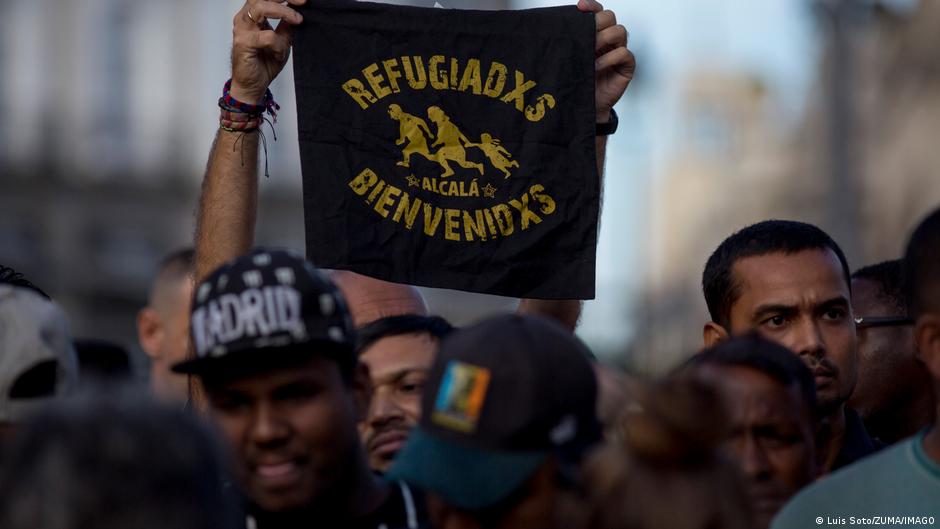
Samael.lol – Prime Minister Pedro Sanchez’s administration praised the initiative as “a gesture of justice and essentiality.” The plan enables unauthorized migrants to secure temporary residency through a streamlined process, allowing them to begin contributing to the tax system. Spain’s left-leaning government announced the policy earlier this year, marking a shift in its approach to migration. Unlike other European nations striving to curb irregular movement, this measure reflects a broader recognition of migration’s role in Spain’s economic development.
Eligibility and Application Process
The amnesty applies to individuals who arrived in Spain before January 1, 2024, prior to the plan’s public release. This timeframe is designed to prevent a surge in applications following the announcement. Participants must provide proof of at least five months’ residence and confirm no criminal history in Spain or abroad. After one year, they may apply for extended work or residency permits.
Political and Practical Considerations
Migration Minister Elma Saiz outlined the application timeline: in-person submissions begin April 20, while online applications are available from Thursday. The deadline for submissions is June 30. A labor union representing immigration officers raised concerns, warning the government may lack sufficient resources to manage the influx.
Historical Precedents and Opposition
The plan is not unprecedented in Spanish politics. Governments of varying ideologies have adopted similar measures six times since 1986. However, this iteration required expedited legislation, sidestepping parliamentary approval. The center-right Popular Party criticized the move as unsustainable, yet the policy aligns with past trends in Madrid’s approach to migration.
Spain’s population has surged, with over 50 million residents and an estimated 7.2 million foreign nationals. Many of these migrants have fled from Colombia, Venezuela, or crossed the Mediterranean or into the country’s African territories from Morocco. The government estimates up to 500,000 irregular migrants could benefit, though some analysts suggest the number might be higher, with Funcas projecting around 840,000.
“We recognize rights, but we also demand obligations,” Sanchez wrote. “That those who already form part of our day to day do so on equal terms, contributing to the sustenance of our country and of our model of coexistence.”
Sanchez framed the law as “an act of normalization, of recognizing the reality of nearly half a million people who already form part of our daily life.” His remarks came during a visit to China, where he shared the new policy on social media. While the plan has been lauded as a step toward integration, its implementation remains a test of administrative capacity and political resolve.
To view this video, enable JavaScript and upgrade to a web browser supporting HTML5.