India: A Dalit Officer Exposes Caste Bias in Judicial System
Samael.lol – On Wednesday, April 15, a Dalit judicial officer shared insights into how caste continues to influence workplace dynamics in India’s legal sector. His observations reveal that systemic bias manifests through quiet, everyday practices in professional environments, rather than overt discrimination.
Trump and Modi Discuss Middle East Conflict
Meanwhile, U.S. President Donald Trump initiated a phone conversation with India’s Prime Minister Narendra Modi on Tuesday. The dialogue focused on the ongoing Middle East tensions, with both leaders emphasizing the need to maintain the Strait of Hormuz as a secure and open maritime route. This marked their first exchange since the U.S. and Iran declared a conditional ceasefire last week. U.S. Ambassador Sergio Gor praised the call as “very positive and productive.”
“They work with the presumption that I am not as knowledgeable and hard-working as my upper-caste peers,” he told DW.
Systemic Caste Disparities in Judiciary
Gopal, a young officer from the Dalit community in northern India, explained that caste remains a determining factor in both formal and informal aspects of the judiciary. Despite strong performance in written exams, candidates from Scheduled Castes often face lower evaluations during interviews, which affects their career trajectories. These rankings, he noted, dictate promotions, assignments, and responsibilities, perpetuating existing inequalities.
Dalits, recognized as Scheduled Castes under India’s Constitution, constitute roughly 16.6% of the population, according to the 2011 census. They are eligible for affirmative action policies, including reservations in education and public employment. However, Gopal argues that these measures have not fully addressed the entrenched biases within the judiciary.
Caste Influence in Professional Spaces
According to Gopal, caste dynamics persist in routine workplace interactions. Informal chats often showcase pride in one’s caste, while social connections and marriages within the legal profession largely follow traditional caste lines. He also highlighted how questions about his surname are frequently used to determine his caste background.
“The judges’ association election was fought on the basis of caste. It’s everywhere if you pay attention to it, but nowhere if you don’t,” he said.
Gopal believes that affirmative action still holds potential to address these issues. He pointed out that caste discrimination has evolved, with practices like food segregation and continued emphasis on endogamy replacing overt forms of untouchability. “Overall, they have successfully replicated the caste system in the service. I do not see much change in the coming decades,” he added.
*Name has been changed to protect the interviewee’s identity
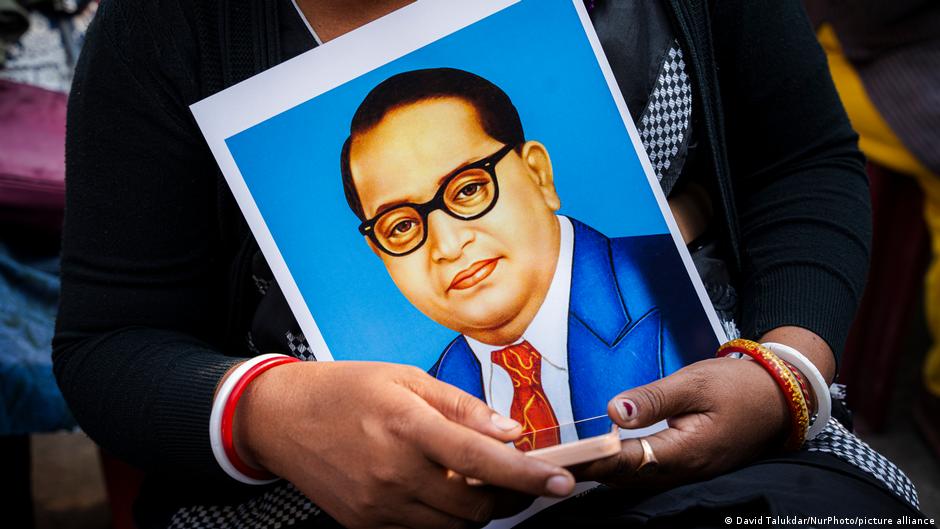
This report is part of DW’s special coverage commemorating Dr. BR Ambedkar’s 135th birth anniversary and Dalit History Month. It explores the contrast between the ideal of Dalit upliftment and the realities of systemic marginalization. Stay tuned for more updates on India’s top news.