Nuba Mountains: A Fragile Refuge on Sudan’s Frontline
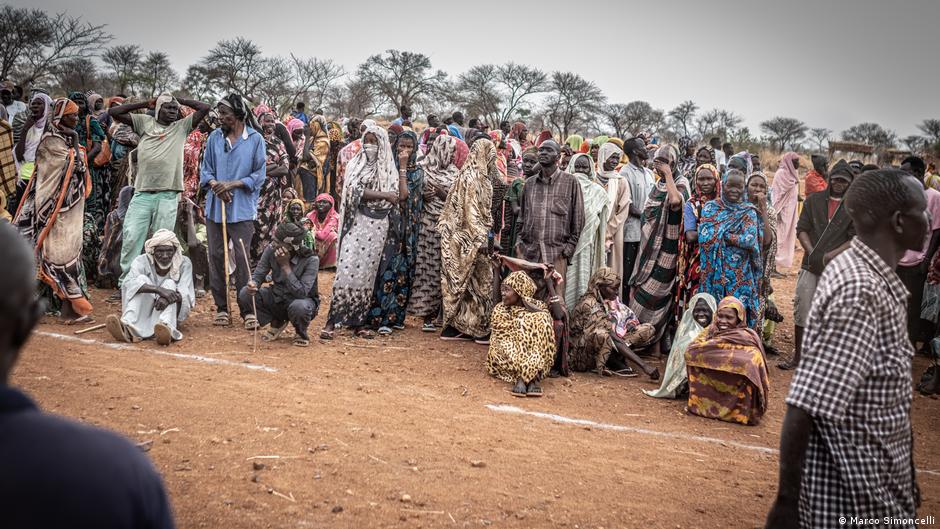
Samael.lol – Straddling the border between Sudan and South Sudan, the Nuba Mountains have become a battlefield for competing forces, sheltering over half a million displaced individuals while struggling with intricate conflict scenarios. In the village of Kauda, where the Sudan People’s Liberation Movement-North (SPLM-N) maintains control, Jalal Abdulkarim oversees refugee coordination. Yet, even as the movement works to support those in need, its efforts are increasingly strained by dwindling resources and the escalating violence of the ongoing Sudanese war.
A Drone Attack That Changed Lives
Hassan Koko, a community health worker in South Kordofan, recalls the day a drone strike left him physically and emotionally scarred. As he sat on a handcrafted wooden bed, sipping sweet tea after completing a training session, the sudden appearance of the drone shattered the peace. It landed, killing several colleagues before returning for a second pass, targeting those already wounded. Koko survived, but the trauma lingers. His left knee bears a sharp metal fragment, a constant reminder of the attack. “My family was relieved I lived, but life here isn’t the same,” he says, adding that he now avoids the market, preferring the safety of home.
A Legacy of Conflict and Struggle
For years, the Nuba Mountains have endured relentless assaults by Sudan’s Armed Forces (SAF), a pattern that intensified after 2011 when the region was excluded from the political agreement securing South Sudan’s independence. This exclusion deepened longstanding tensions, as the area is home to more than 50 ethnic groups spread across a territory roughly the size of Austria. The SPLM-N, formed from the remnants of the SPLA liberation movement, has sought self-rule for the Nuba people, but its ambitions have been tested by the shifting alliances and violence of the current war.
The conflict, which began in 2023, has spiraled into the world’s worst humanitarian crisis, with over 150,000 lives lost. As the war worsens, the SPLM-N has made a pivotal move—joining forces with the Rapid Support Forces (RSF), a paramilitary group with ties to the Janjaweed. This partnership, viewed by many as a risky and contentious decision, reflects a shared goal: to challenge SAF’s dominance. “Both sides align because they share a common vision for Sudan’s future,” explains Jalale Getachew Birru, an East Africa analyst at ACLED, “a federal system that could redefine power dynamics.”
The Cost of Survival
In the towns of the Nuba Mountains, RSF soldiers move freely, their presence a stark contrast to the chaos of war. They gather in cafes, converse in local markets, and display looted goods—cars, furniture, fuel, and electronics—taken from across Sudan. Yet, their arrival is not the only new face in the region. At the SPLM-N’s administrative hub in Kauda, Abdulkarim faces mounting pressure as refugee numbers surge. “We’ve received over 2.8 million new arrivals since the war began,” he notes, handing over a Post-it note with the figure. Funding for relief programs relies heavily on external NGOs and UN agencies, but support has dwindled sharply. The Trump administration’s closure of USAID last year, for instance, left critical aid gaps, forcing organizations to scale back operations. “Donations have dropped from millions to mere hundreds of thousands,” he says, highlighting the struggle to meet basic needs.
The International Organisation for Migration (IOM) estimates that Kordofan alone shelters “more than a million” internally displaced persons. However, with no UN representatives in Kadugli and most international aid groups halting or cutting operations, the accuracy of these figures remains uncertain. For the Nuba Mountains, survival hinges on fragile alliances and the resilience of a population caught in the crossfire of a war that shows no signs of easing.