Rwanda Ties Mozambique Troop Deployment to EU Funding
Samael.lol – Rwanda’s military involvement in Mozambique’s northern Cabo Delgado region faces an uncertain future. The country’s demand for financial compensation has placed Europe in a strategic quandary. President Paul Kagame has warned of a possible troop withdrawal from the conflict-prone northern province of Cabo Delgado by May, aiming to exert pressure on European nations. The anti-terror mission against Islamist insurgents could face termination if the European Union fails to deliver a consistent financial commitment.
The warning comes as reports suggest Brussels may cut support for the operation. Since 2022, the EU has allocated approximately $46 million (€39 million), roughly a fifth of Rwanda’s total expenses. However, the true cost of the mission remains contested. Borges Nhamirre, a Mozambican security analyst affiliated with the Institute for Security Studies, told DW that Rwanda’s figures are hard to confirm. For instance, Rwanda reportedly bills transport expenses via its state airline, RwandAir, but “no one knows whether these costs actually occurred at that level,” Nhamirre noted.
“The most probable outcome is that Rwandan forces will remain in the region in some capacity,” Nhamirre said.
A withdrawal would significantly impact Mozambique’s security and pose a geopolitical challenge for the EU. Rwanda itself is unlikely to prioritize an immediate exit from Cabo Delgado, as the mission’s continuation is vital for its strategic interests. The country’s economic stake in the region is substantial, particularly through its involvement in gas projects that are still in the developmental phase. Private Rwandan security firms also anticipate lucrative contracts from international companies investing in the area.
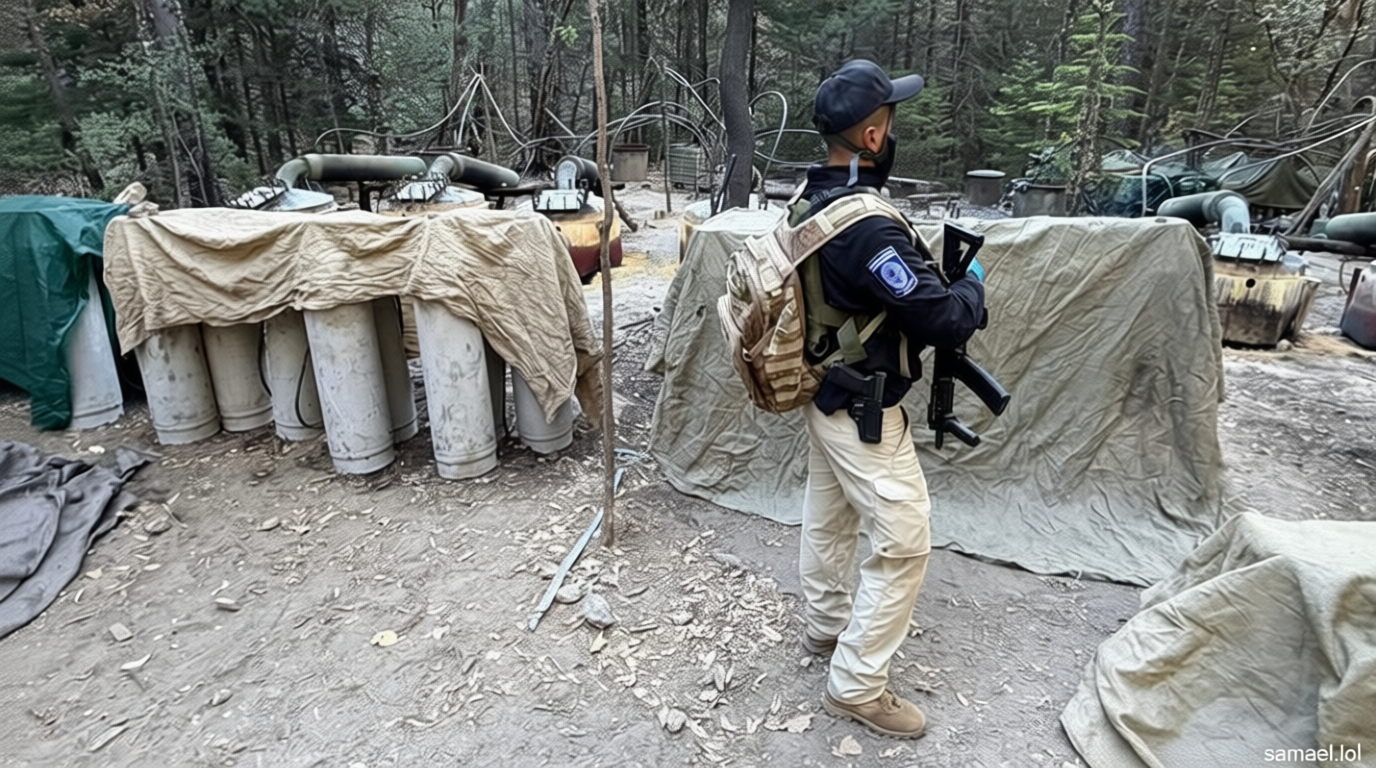
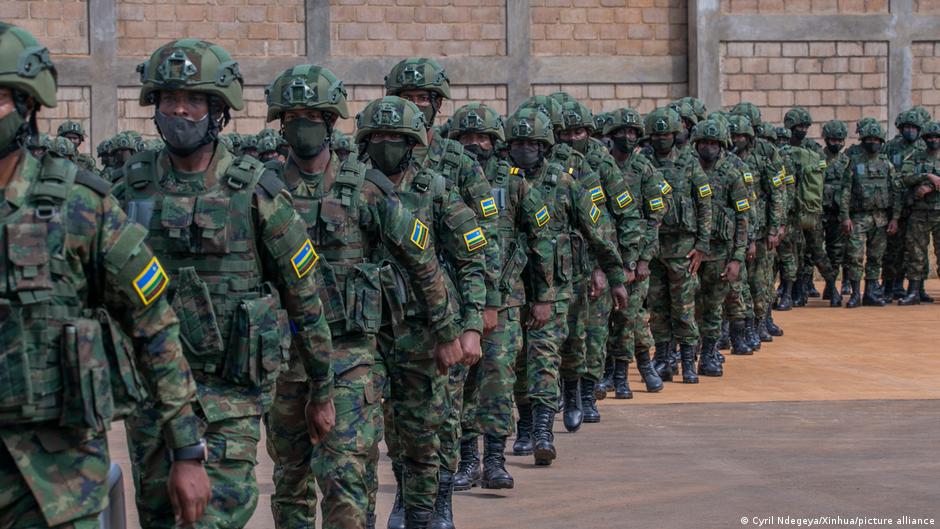
Currently, over 4,000 Rwandan troops are stationed in the area, leveraging their experience and established local networks. “Rwandan forces now possess institutional knowledge, making a swift replacement unlikely,” Nhamirre highlighted. Replacing them would require new forces to adjust to a complex environment where a guerrilla group “masquerades as fishermen or farmers” and blends into the civilian populace.
Political pressure on Kigali has intensified due to EU and US sanctions targeting Rwanda’s role in the eastern Democratic Republic of the Congo. Nhamirre points out a developing paradox: “The EU is backing Rwanda’s mission in Cabo Delgado while opposing its participation in eastern Congo, risking unintended financial support for both conflicts.” The debate has grown contentious within the European Parliament and other EU institutions.
Portuguese MEP Helder Sousa Silva, representing the conservative European People’s Party (EPP) and serving on the Security and Defence Committee, cautioned against premature decisions. “Allowing funding for the Rwandan deployment in Cabo Delgado to lapse would be serious and should not be trivialized,” he warned. Sousa Silva emphasized that “the Mozambique mission should be evaluated independently from Rwanda’s role in Congo, focusing on the security of Cabo Delgado and Mozambique’s overall stability.”
While the financial strain on Europe is manageable, the EU’s focus remains on collective political determination to sustain support for Rwanda’s Defense Forces (RDF) in the region. The stability of gas fields, a key asset for European investors, is closely tied to Rwanda’s continued presence. Initial shipments of resources from the region have already reached Europe, underscoring the interconnected nature of the conflicts.
To view this video, enable JavaScript and upgrade to an HTML5-compatible browser.