Iran War: Strait of Hormuz Open Amid Israel-Lebanon Truce
Strait Reopened, Oil Prices Drop
Samael.lol – With the implementation of a 10-day truce between Lebanon and Israel, the Israeli military confirmed its continued presence in southern Lebanon. Iranian Foreign Minister Abbas Araghchi declared that the Strait of Hormuz is fully open, aligning with the ceasefire agreement. This development coincided with a sharp decline in oil prices, reflecting market optimism about reduced tensions.
Brent crude oil prices fell by $11.12, dropping to $88.27 per barrel at 1311 UTC. This marked an over 11% decrease, attributed to the sign of deescalation. Analysts noted that the market’s reaction hinged on the extent of commercial activity resuming through the waterway.
“Comments from Iran’s foreign minister suggest a deescalation as long as the ceasefire holds. Now, we must observe if tanker traffic increases significantly,” said Giovanni Staunovo of UBS, citing Reuters.
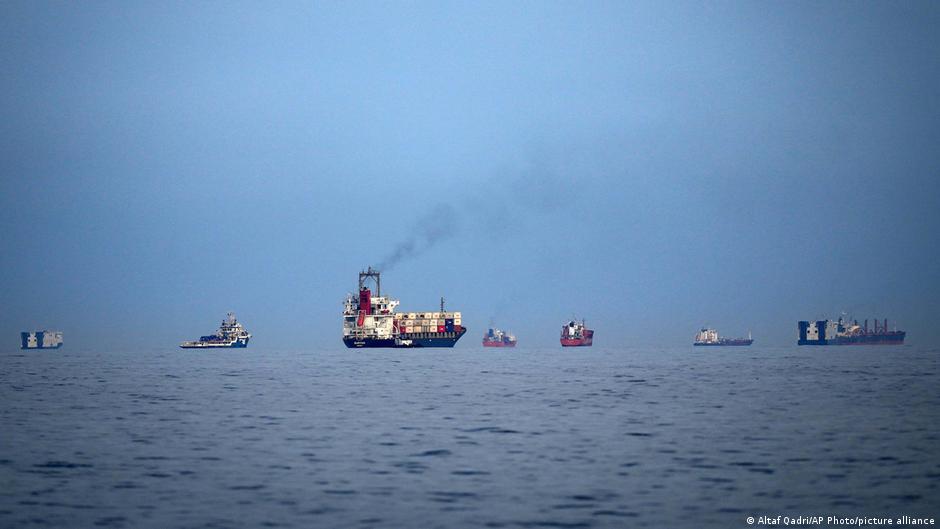
Approximately 20% of global oil shipments traverse the Strait of Hormuz, a critical chokepoint for energy trade. The strait had been closed since February 28, following the US-Israeli conflict with Iran. Iran’s decision to reopen it came as part of a two-week ceasefire with Washington, though disagreements persisted over Lebanon’s inclusion.
Trump’s Naval Blockade Stays in Force
Despite the strait’s reopening, US President Donald Trump emphasized that the naval blockade of Iranian ports would remain active until Tehran’s terms were fully met. “The Strait of Hormuz is completely open and ready for business, but the blockade will stay in full effect solely against Iran until our agreement is 100% complete,” he stated on Truth Social.
Trump highlighted that negotiations had progressed swiftly, with most points already resolved. However, the US-Iran talks in Islamabad on April 11-12 yielded no major breakthrough, leaving key terms unresolved. The ceasefire with Israel, reached on Thursday, did not fully satisfy Tehran’s concerns about Lebanon’s involvement.
Human Toll in Gaza Continues
The conflict has left a devastating impact on civilians, particularly women and girls. The UN reported over 38,000 deaths in Gaza from Israeli attacks between October 2023 and late 2025. The Gaza Health Ministry estimated a total of 72,000 fatalities, with numbers still climbing due to sporadic strikes.
UN Women noted that 11,000 women and girls sustained severe, lifelong injuries. Beyond casualties, the Israeli blockade disrupted access to essential supplies, forcing women to give birth in tents without adequate medical resources. The ongoing war has also limited availability of menstrual products, exacerbating challenges for women in the region.
Israel’s Strategic Position
Israeli Defense Minister Israel Katz described the 10-day ceasefire with Hezbollah as a temporary pause, not an end to operations. “The ground campaign and strikes on Hezbollah have achieved important progress, but the mission is far from complete,” he explained.
Katz pointed to the potential for continued military action, citing the need to disarm Iran-backed groups. He framed the agreement as a diplomatic tool to pressure the Lebanese government, stating that the US played a pivotal role in the process. The truce between Israel and Lebanon, while a step toward stability, does not resolve the broader US-Iran standoff.