Amnesty International paints a grim picture
A New Era of Human Rights Violations
Samael.lol – Amnesty International’s latest 2025/2026 report highlights a troubling trend, condemning the “predatory actions of the powerful” and urging immediate measures to safeguard the global framework. The organization’s findings indicate that human rights abuses have surged across the world, perpetrated by both governments and non-governmental groups. In most instances, the perpetrators evade consequences, leaving victims without recourse.
Iran: A Double Crisis
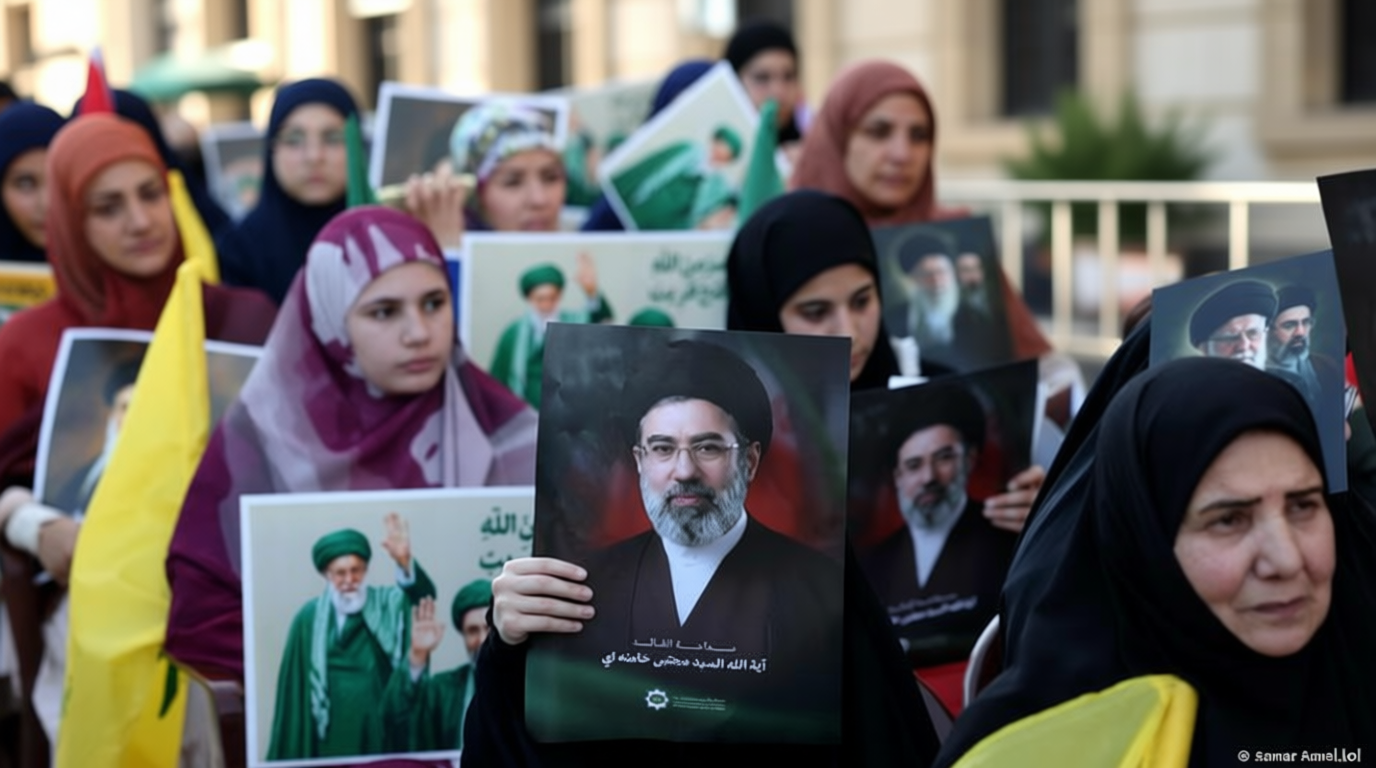
The report emphasizes Iran as a critical focal point, according to Julia Duchrow, the German chapter’s Secretary General. She notes that the nation is currently facing a dual threat: external aggression from the US and Israel, which breaches international laws, and internal suppression by the regime. “In Iran, people are confronted with assaults from external forces violating international law—targeting civilians and infrastructure—and from their own government’s repression, which has already caused thousands of fatalities,” Duchrow states in an interview with DW.
“In Iran, people face a double threat: first, from the attacks by the US and Israel in violation of international law — including against the civilian population and infrastructure — and second, from repression by their own government, which has already led to many thousands of deaths.”
A World Order in Decline
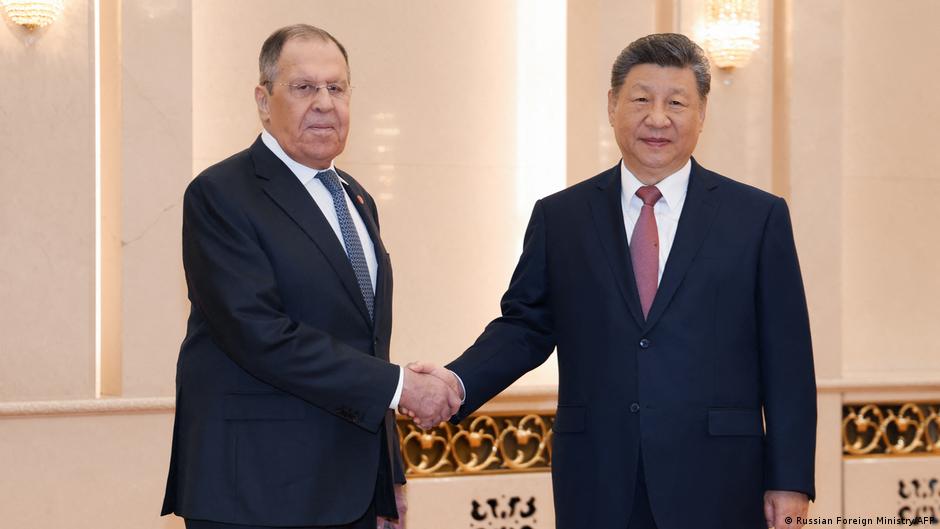
Amnesty’s annual report underscores that the traditional system of international governance is under threat. The organization points to a world order forged after the Holocaust and two global wars, which has been steadily constructed over the past eight decades—despite persistent instability. The report warns that many nations, including the US, Russia, and Israel, have long abandoned this framework, opting for policies that prioritize dominance over cooperation.
“A world order that emerged from the ashes of the Holocaust and the unspeakable destruction wrought by two world wars, and which had been steadily built up over the past 80 years — with great effort, though unfortunately not sufficiently stable.”
Legacy of Diplomacy and Resistance
Despite these challenges, the report acknowledges the enduring contributions of diplomats and activists since 1945. “The 1948 adoption of the Universal Declaration of Human Rights and the Genocide Convention, along with numerous other normative instruments, represent a tangible foundation,” Duchrow says. This highlights that the collapse of the rules-based system is overstated, with efforts to uphold international standards still in place.
“Make no mistake: reports of the death of the international rule-based order are greatly exaggerated.”
Targets of Condemnation
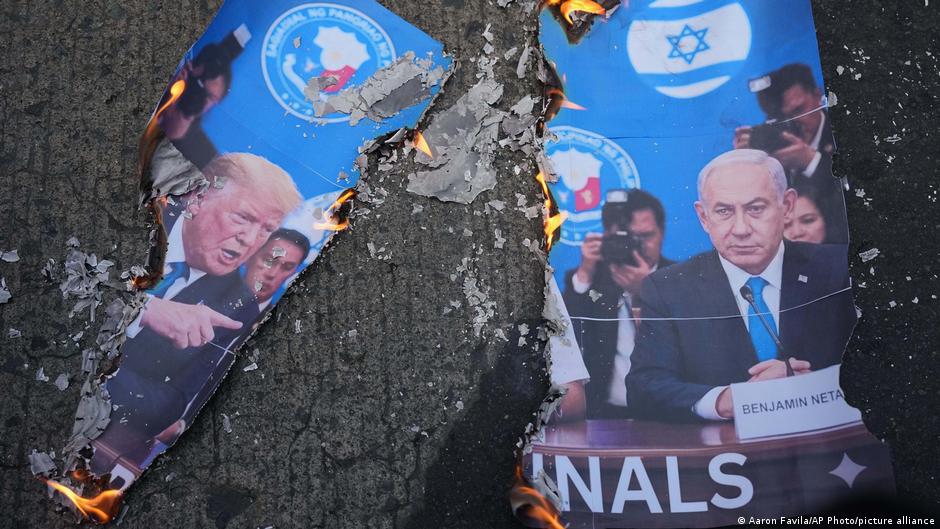
Amnesty singles out two nations for particular scrutiny: the United States and Israel. The report criticizes the US under President Trump, noting that Secretary of State Marco Rubio’s January 2026 vision for a new order—a Western alliance of Christian civilizations—overlooked pivotal historical truths. “The words cannot hide the facts: this is a history too of domination, colonialism, slavery and genocide,” the report asserts.
“For millions of people, international safeguards have failed, as in the case of Palestinians who are subjected to genocide, apartheid and occupation by the Israeli government.”
Russia is also called out for its ongoing atrocities in Ukraine, with the report labeling its actions as crimes against humanity. These developments suggest a growing pattern of conflict, likely to intensify without renewed commitment to international norms.
To view this video, please enable JavaScript, and consider upgrading to a web browser that supports HTML5 video.