Nigeria’s $2B Power Bailout Tests Tinubu Reforms
Samael.lol – Nigeria’s government has allocated 3.3 trillion naira—over $2 billion—to settle debts in the power sector. While analysts suggest this move could help restore electricity stability, they caution that fundamental challenges remain unaddressed. The decision comes amid growing concerns about the reliability of power supply, which continues to disrupt daily life and business operations across the country.
A Business Owner’s Struggle
Blessing Johnson, a frozen food vendor in Lugbe, Abuja, now fills her freezer only partially. Earlier this year, her neighborhood endured nearly two months of power outages during the Eid al-Fitr holiday, causing her inventory to spoil. “I had to sell some at a loss,” she explained to DW. “Things I should sell for 2,500 naira, I sold for 1,500 or even less. It wasn’t enough to cover my losses.” Her cautious approach mirrors the challenges faced by countless small businesses reliant on consistent electricity.
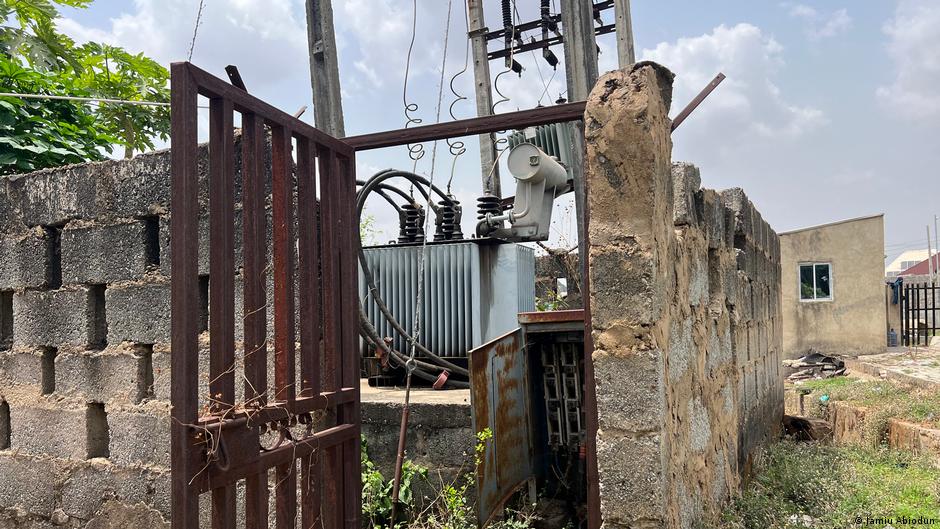
The World Bank estimates Nigeria loses $29 billion yearly due to unreliable power, with frequent blackouts affecting 90 million people out of a population of 242 million. Despite a 2013 privatization effort, the sector has not achieved the stability seen in other industries like banking or telecommunications. Current infrastructure struggles and decades of underinvestment have left the grid prone to failures.
In April 2024, Nigerian President Bola Tinubu approved the funding to clear accumulated debts owed to power producers. Olu Arowolo-Verheijen, Tinubu’s special energy adviser, emphasized that the initiative aims to “restore confidence across the power sector” by ensuring gas suppliers are paid and power plants can operate reliably. However, experts argue the bailout addresses symptoms rather than root causes.
“The move would pay gas producers a portion of what they’re owed,” said Ayodele Oni, an energy analyst. “That could mean more gas for the sector, but it doesn’t solve all the debt.” He added that while the payment may ease immediate pressures, it won’t fix long-term issues like outdated infrastructure or flawed market design.
Ikemesit Effiong of SBM Intelligence noted that distribution companies lack the capital and political will to “meter customers, collect revenue, and maintain infrastructure.” Without retail viability, he warned, investment in generation and transmission would struggle to survive. Both analysts agree the bailout provides temporary relief but fails to resolve systemic problems.
Key challenges include tariffs that don’t reflect actual costs, as well as poor governance across the energy chain. “Tariffs are fundamental, but infrastructure and market design also play a role,” Ayodele said. He highlighted the need for an emergency management system to monitor the grid remotely. Until these reforms are implemented, the sector risks repeating cycles of debt and instability.
With 4,000 megawatts of average power supply, Nigeria’s energy sector remains a critical test for Tinubu’s administration. The government’s intervention aims to stabilize the market, but lasting solutions will depend on addressing deeper structural flaws. Until then, businesses like Johnson’s will continue to face uncertainty.