Iran War: Trump Expects Bombing to Resume if There’s No Deal
Samael.lol – President Donald Trump expressed readiness to escalate military action against Iran in an interview, stating that strikes would recommence should negotiations fail to yield results. The current pause in hostilities between the United States and Iran is set to conclude on Wednesday evening Eastern Time. Here’s a summary of recent updates from the US-Israeli conflict with Iran and broader Middle East tensions on Tuesday, April 21, 2026.
Trump’s Position on Ceasefire
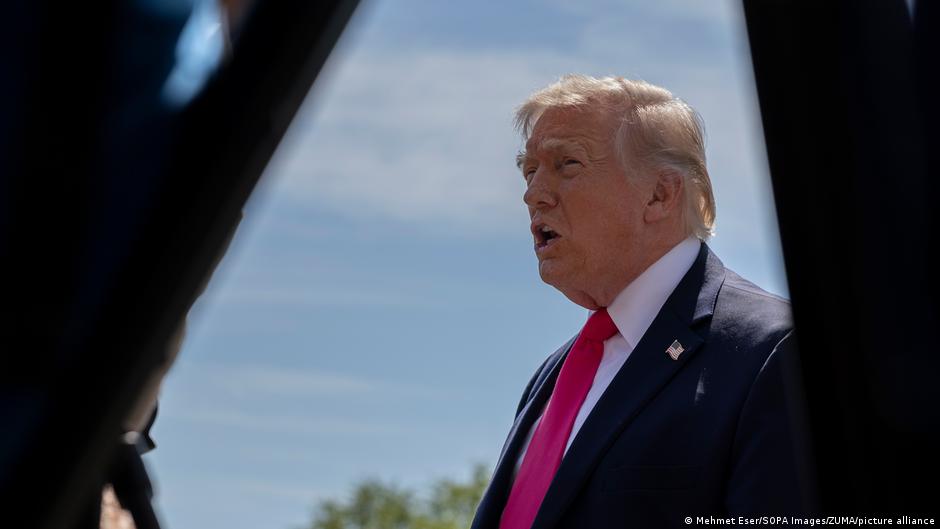
During a conversation with CNBC, Trump emphasized that Washington held considerable influence in ongoing talks and thus planned to end the existing ceasefire with Tehran. “I don’t want to do that. We don’t have that much time,” he remarked when questioned about potential extensions. While diplomats were prepared to resume discussions in Pakistan, Trump suggested that bombing would resume if Iran did not offer specific compromises—an outcome appearing more probable by the day.
“We’re ready to go. I mean, the military is raring to go,” Trump added, underscoring the urgency of military intervention.
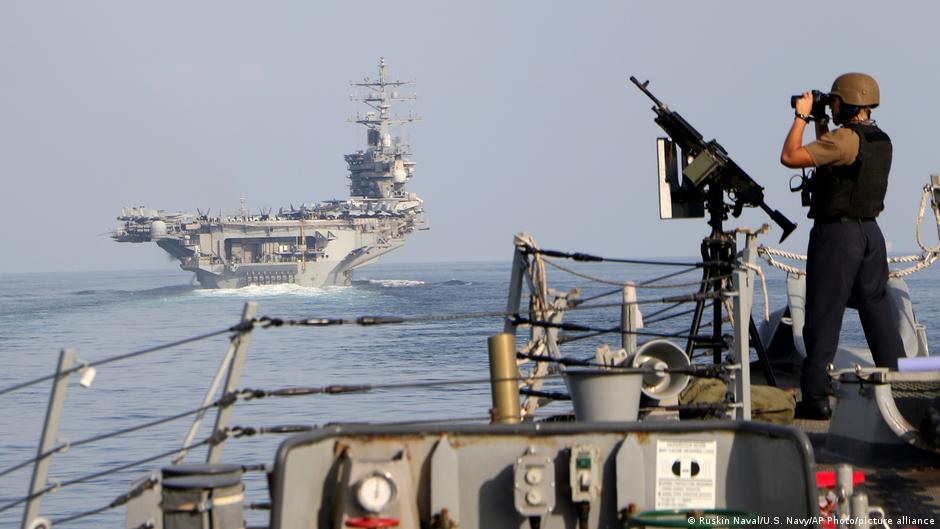
Furthermore, Trump announced that the US naval embargo on the Strait of Hormuz would persist until a peace accord was reached. Tensions over this vital waterway escalated after US forces intercepted and detained an Iranian ship, with Tehran rejecting diplomatic efforts “under the shadow of threats.”
EU’s Energy and Transport Measures
European Commissioner Apostolos Tzitzikostas highlighted plans to import US Jet A fuel—a type not yet endorsed by the EU—aimed at decreasing reliance on Middle Eastern supplies. His comments followed a video conference of EU transport ministers, as the commission prepared to unveil a comprehensive set of energy and transport strategies. These measures would address airport capacity, anti-tankering protocols, passenger rights, and public service obligations in case of jet fuel shortages linked to the Iran conflict.
“There are currently no shortages, but a prolonged blockade of the Strait of Hormuz would have ‘catastrophic’ consequences,” Tzitzikostas warned.
The International Energy Agency and several airlines cautioned that aviation fuel in Europe might face scarcity within weeks. Meanwhile, German Foreign Minister Johann Wadephul opposed a bid by Spain and Ireland to halt the EU’s collaboration with Israel, citing dissatisfaction over Israel’s operations in Lebanon and Palestinian territories.
Germany’s Stance on EU-Israel Cooperation
Speaking at the opening of an EU foreign ministers’ meeting in Luxembourg, Wadephul labeled the proposal “inappropriate.” “We must engage Israel in critical discussions,” he stated, advocating for a constructive dialogue. A full suspension of the agreement would require unanimous approval from all 27 EU nations, making it unlikely to succeed. However, provisions for trade relations could be more easily revoked with a weighted majority.
Wadephul also urged Iran to engage in talks with the US in Islamabad, emphasizing the benefit for its citizens. “As we know, the US vice president is prepared to travel to Islamabad,” he noted ahead of a Brussels meeting. “Iran should now accept this opportunity for its own people,” he said.
Additionally, Wadephul criticized Iran’s virtual blockade of the Strait of Hormuz, a crucial route for global oil and gas, and called for immediate reopening. Europe, he added, was prepared to secure the strait once the conflict subsided.
Iranian state television aired a message on Tuesday asserting that “no Iranian delegation has visited Islamabad,” refuting reports of impending peace talks. The alert occurred amid rising doubts about whether Tehran would participate in a second round of negotiations with Washington. The US Navy’s seizure of an Iranian container ship over the weekend is expected to influence Iran’s decision on whether to continue diplomatic efforts.