Iran War: Trump Expecting Bombing to Resume Without Deal
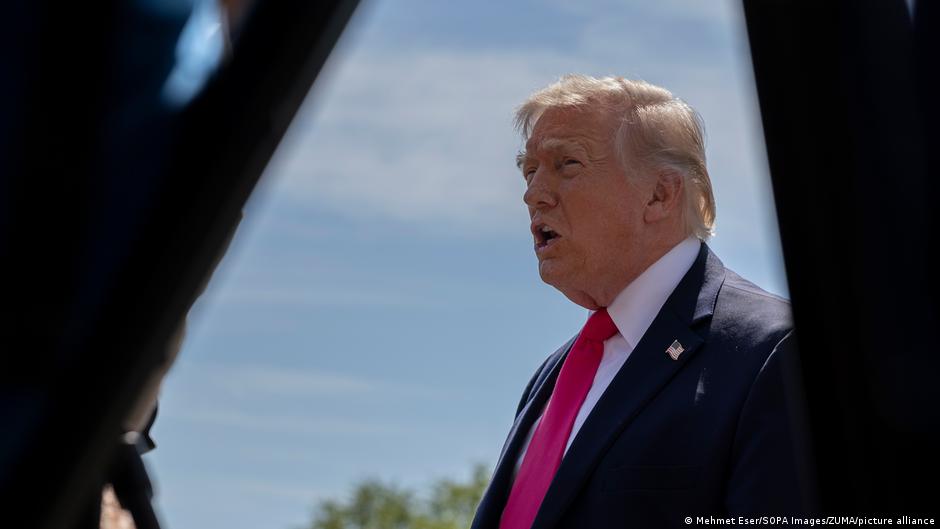
Samael.lol – President Donald Trump indicated readiness to restart military operations against Iran during an interview, stating that strikes would continue if diplomatic talks fail to yield a resolution. The U.S. ceasefire with Iran is set to expire on Wednesday evening ET, marking a critical juncture in the ongoing conflict. As of Tuesday, April 21, 2026, the situation remains fluid, with recent updates highlighting developments across the region.
Peace Talks in Pakistan
Pakistan’s capital, Islamabad, has not yet received a formal response from Tehran regarding its participation in the peace discussions with the U.S. The second round of talks, initially planned for Tuesday, was still pending. Information Minister Attaullah Tarar noted that the country maintains “constant contact with the Iranians” and has “made sincere efforts” to encourage Tehran’s involvement. He emphasized the urgency of Iran’s decision before the ceasefire ends, describing it as “critical” for the next phase of negotiations.
“We’re ready to go. I mean, the military is raring to go,”
Trump remarked, underscoring the potential for renewed attacks. He also expressed confidence in Washington’s negotiating position, stating that he would not seek an extension of the current truce unless Iran demonstrates clear concessions. “I don’t want to do that. We don’t have that much time,” he added, signaling a shift toward military action if talks stall.
Vessel Intercepted in Indian Ocean
The U.S. military intercepted a ship, M/T Tifani, in the Indian Ocean, identifying it as a “stateless sanctioned” vessel linked to Iran. According to the Pentagon, the operation aimed to “interdict sanctioned vessels providing material support to Iran.” The ship, flagged under Botswana, was tracked between Sri Lanka and Indonesia, with the French AFP news agency noting its association with Iranian activities. Kpler, an energy intelligence firm, reported that the Tifani had loaded approximately two million barrels of crude oil at Iran’s Kharg Island on April 5 before passing through the Strait of Hormuz on April 9.
“International waters are not a refuge for sanctioned vessels,”
the Pentagon stated, reinforcing its stance on blocking Iranian supply lines. This move intensified tensions as the U.S. continues its blockade of the Strait of Hormuz, which Trump said would persist until Iran agrees to a peace agreement.
Tensions with the UAE
Iran condemned the UAE’s recent arrests of a group accused of ties to Tehran and involvement in “terror” plots. A Foreign Ministry spokesperson called the detentions “baseless pretexts,” urging the Gulf nation to “respect the rights and human dignity of individuals” and avoid “retaliatory behavior.” The UAE released mugshots of 27 detainees on Monday, but their nationalities were not disclosed. Suspects are alleged to be connected to an Iranian-backed “terrorist network” involving Lebanon’s Hezbollah.
Escalating tensions between Iran and the UAE follow the U.S.-Israel attack on Iran. The UAE, which has been a primary target of Iranian strikes, claims most attacks were intercepted. In response, Iran accuses the Gulf state of facilitating U.S. military operations and targeting “American interests” with missile and drone strikes. This dynamic has added complexity to the broader regional conflict.