From Epstein to sock puppets: Key takeaways from Kevin Warsh’s Fed confirmation hearing
Accusations of presidential influence
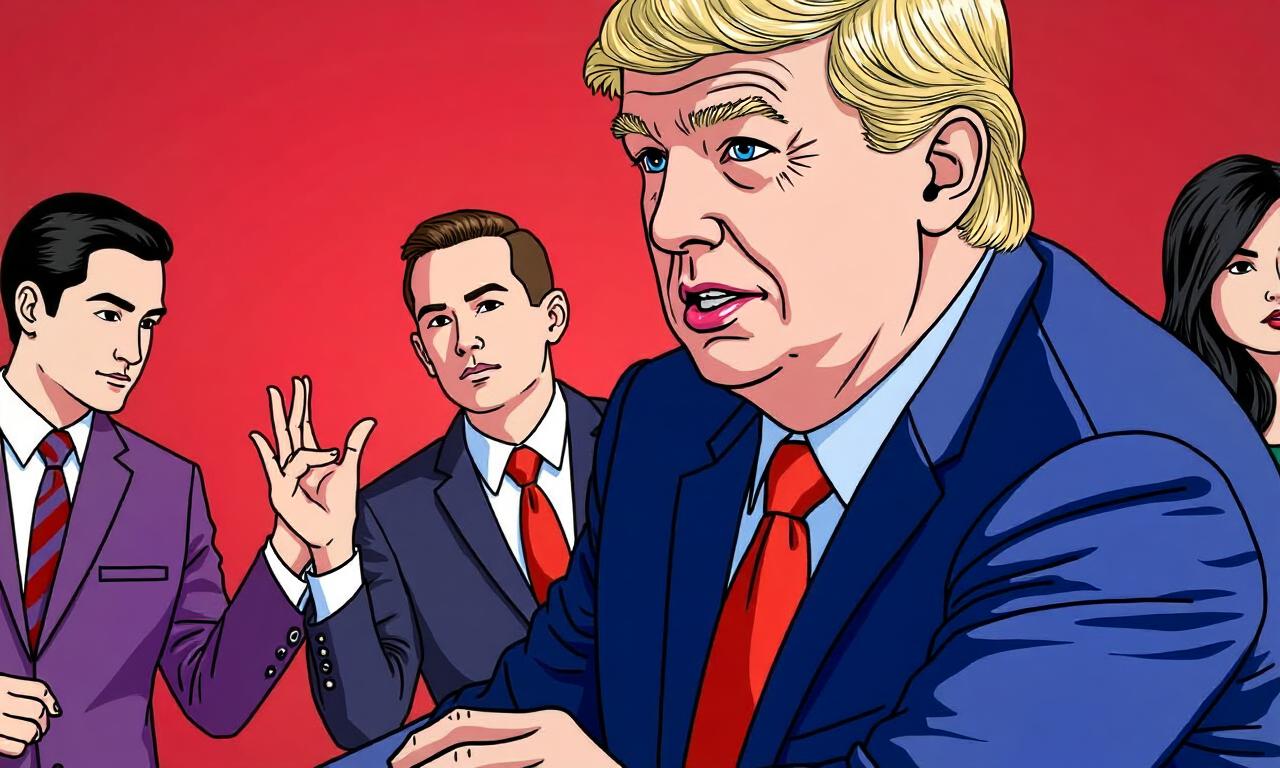
Samael.lol – During Tuesday’s Senate confirmation hearing, Kevin Warsh faced sharp scrutiny from Democratic lawmakers over his potential alignment with President Donald Trump. Senator Elizabeth Warren, the committee’s top Democrat, accused him of being “Trump’s sock puppet,” suggesting he would use the Federal Reserve’s authority to benefit the administration and its allies. “Having a sock puppet in charge of the Fed would give the president access to its powerful tools to enrich himself, his family, and Wall Street connections,” she warned.
“Absolutely not,” Warsh countered when asked if he would serve as Trump’s puppet. He emphasized the Fed’s independence, vowing to safeguard its self-governance. “The central bank’s autonomy is essential,” he stated.
Jeffrey Epstein connections
Warsh’s ties to Jeffrey Epstein were another focal point. While he has revealed substantial financial holdings, including a $100m fund with unspecified underlying assets, the senator pressed him on potential investments linked to Trump or Epstein. “Do the funds support companies tied to the president or his family, or those controlled by Epstein?” Warren questioned. Warsh avoided a direct answer but pledged to divest if confirmed.
Rate-cut debate
The hearing also highlighted tensions over monetary policy. Trump had previously hinted that Warsh would lower interest rates to stimulate the economy. When asked if he would follow this path, Warsh denied any prearranged agreement. “The president never asked me to commit to specific rate decisions,” he said. Meanwhile, Senator Ruben Gallego noted that the Wall Street Journal reported Trump had pressured Warsh to cut borrowing costs during a prior meeting.
Republican dissent and Powell’s future
Senator Thom Tillis became the only Republican to oppose Warsh’s nomination, though he supported his appointment. “I back Warsh’s qualifications,” Tillis said, but he insisted on dropping an inquiry into outgoing Fed chairman Jerome Powell before approving his successor. The probe centers on Powell’s renovation overspending, which Tillis called “legitimate” due to building structural issues and material costs. Powell’s term ends on 15 May, and his continued tenure hinges on Warsh’s confirmation.
Policy reforms and communication style
Warsh unveiled plans to transform the Fed’s approach to inflation measurement and policy transparency. In his opening remarks, he criticized the central bank’s “forward guidance” as “unhelpful,” advocating for less scripted meetings. “I want Fed discussions to be more dynamic,” he said, proposing a new inflation framework that diverges from the PCE price index. The details of this shift remain unclear, but his stance on altering established practices drew attention.
Regime change rhetoric
Senator Lisa Blunt Rochester challenged Warsh on his earlier calls for a “regime change” at the Fed. “Would you seek to replace regional presidents who vote on monetary policy?” she asked. Warsh clarified, “I mean policy regime change,” signaling a focus on shifting the Fed’s operational direction rather than removing individual officials.