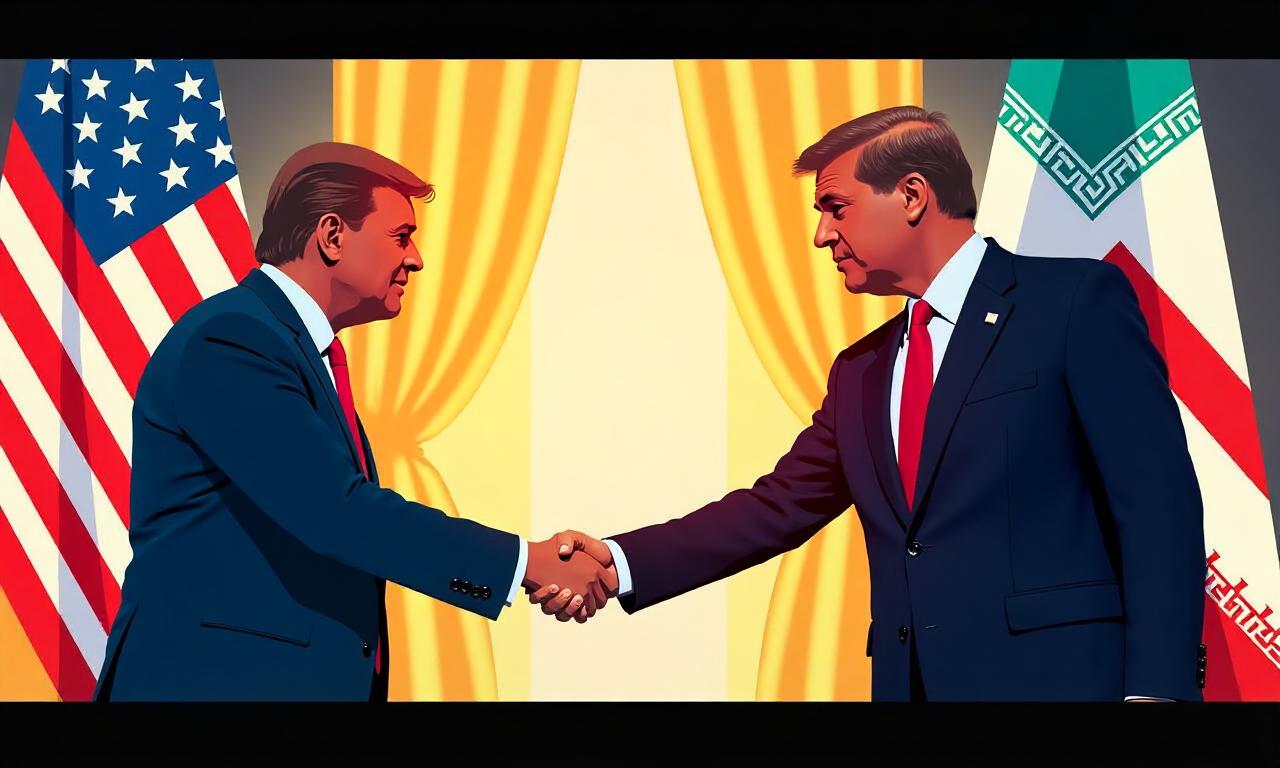
Trump buys time for Iran deal after frantic day of diplomacy
Samael.lol – Diplomatic tensions in Washington escalated on Tuesday as Vice President JD Vance was prepared to travel to Islamabad aboard Air Force Two for renewed peace discussions between the US and Iran. However, the trip was delayed, with the negotiations pushed to a later date. President Donald Trump opted to prolong the ceasefire with Iran, which was set to conclude on Wednesday evening, granting the regime additional time to present a “unified proposal” to conclude the conflict.
Throughout the day, Trump deliberated on his next steps as global attention focused on whether a breakthrough was near. This marked the second time in recent weeks that he had stepped back from a threat to escalate the war, effectively extending the timeline for de-escalation as the conflict neared its two-month anniversary. Vance’s planned visit to Islamabad remained unconfirmed, casting doubt on the White House’s readiness to commit to the talks. Similarly, Iran’s participation was not officially assured, complicating the decision to dispatch Vance without clarity on Tehran’s intentions.
As the day progressed, signs of the postponement became evident. Key members of the US delegation, including special envoy Steve Witkoff and Jared Kushner, traveled to Washington from Miami instead of proceeding directly to Islamabad. Later, Vance joined the president at the White House for strategic discussions, as senior advisors debated the next course of action. Trump ultimately announced the ceasefire extension on Truth Social, his favored platform for war-related updates since late February.
“We have been asked to hold our attack on the Country of Iran until their leaders can develop a unified proposal,” Trump stated, citing Pakistan’s mediation as a reason for the delay.
Unlike his previous two-week deadline, Trump did not specify the duration of this extension, signaling a more flexible approach. Earlier in the month, he had set a strict timeline after conflicting remarks in press interviews, where he praised the talks’ progress while warning of potential war resumption if Iran refused to negotiate.
James Jeffrey, former US ambassador to Iraq and Turkey, noted that Trump’s strategy of threatening military escalation while offering concessions is not new. “This move reflects a pragmatic decision amid evident divisions within Iran’s leadership,” said Brian Katulis of the Middle East Institute. However, Katulis pointed out that the extension adds uncertainty about the war’s resolution. “Trump hasn’t addressed the economic and political challenges still driving this crisis,” he added.
With the ceasefire extended, both sides now have more time to reach a lasting agreement. Yet unresolved issues linger, such as Iran’s claim that the US blockade of the Strait of Hormuz constitutes an act of war. While Trump avoided immediate military action, he provided no indication of lifting the blockade, which had been intended to pressure Tehran. Additionally, Iran has not shown willingness to abandon its nuclear program or its backing of Middle Eastern proxy groups—two critical demands from Trump for a peace deal. Despite the delay, a swift resolution to the war remains as uncertain as ever.