Iran War: Revolutionary Guard Says Seizes Ships in Hormuz
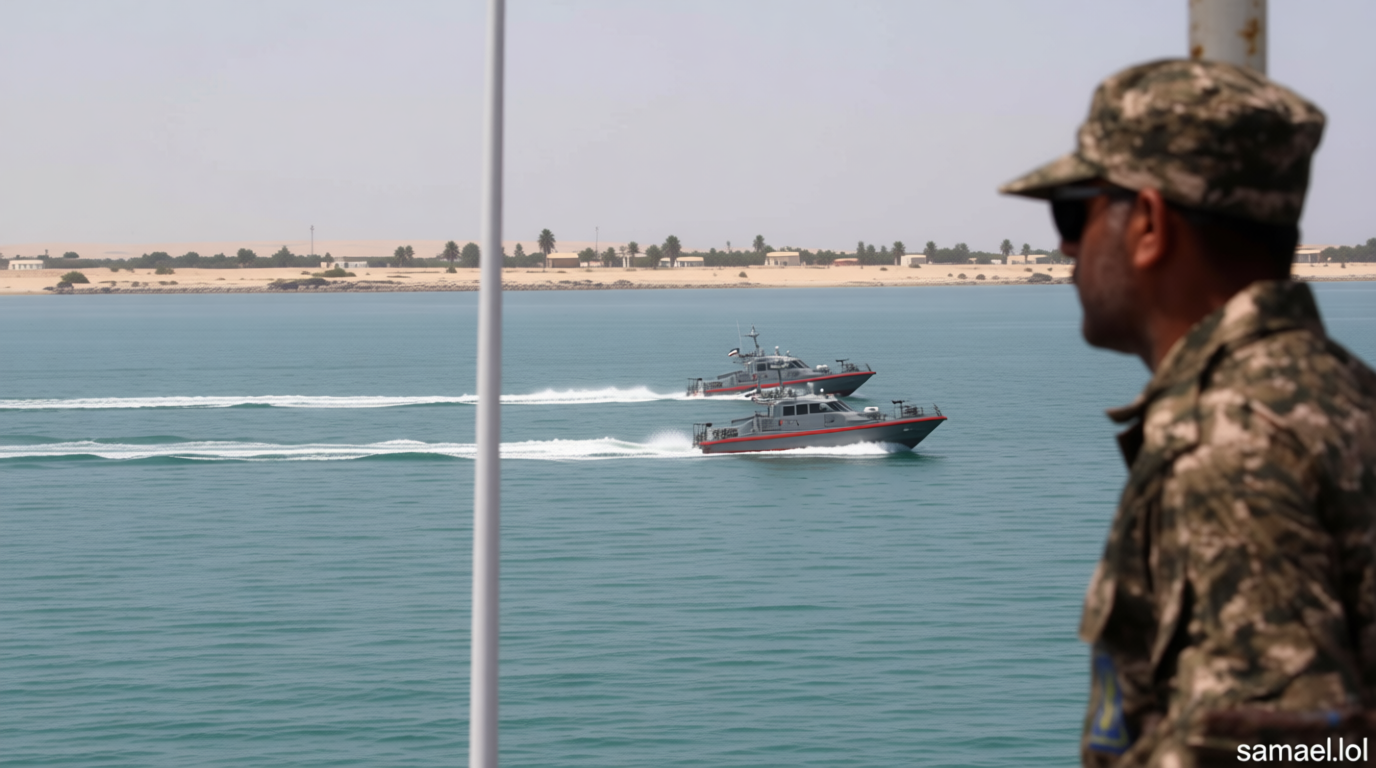
Samael.lol – Iran’s naval forces claimed two vessels were threatening maritime safety after attempting to cross the Strait of Hormuz without official approval. This incident follows ongoing tensions over US-Iran ceasefire discussions. DW provides further details.
On Wednesday, April 22, Iranian news outlets reported that the Revolutionary Guard had targeted a third ship in the strait. The semiofficial Nour News, Fars, and Mehr cited the attack on a vessel named Euphoria, stating it had become “stranded” along the Iranian coast. Earlier in the day, state television announced the seizure of two additional ships, MSC Francesca and Epaminondas, accusing them of undermining security by breaching regulations and manipulating navigation systems.
European Response to Rising Fuel Costs
The European Commission unveiled a series of initiatives to counter the effects of surging oil and gas prices linked to the US-Israeli conflict with Iran. Brussels termed this strategy a “toolbox” aimed at stabilizing fuel supplies. “Our decisions today will define how we tackle present challenges and future crises,” emphasized Ursula von der Leyen, European Commission President.
“The measures will deliver immediate relief and more sustainable solutions for both citizens and businesses,” von der Leyen added.
The plan includes establishing a “fuel observatory” to monitor transport fuel production, imports, exports, and stockpiles within the 27-nation bloc. Approximately 20% of jet fuel used in the EU flows through the Strait of Hormuz. Additionally, the Commission pledged to release an “electrification action plan” by summer and exchange best practices to boost renewable energy adoption.
Lebanon’s Role in the Conflict
Two ships transiting the Strait of Hormuz were detained by Iran’s paramilitary Revolutionary Guard, according to state television. The vessels, MSC Francesca and Epaminodes, were said to have “allegedly operated without authorization, repeatedly violated regulations, manipulated navigational aid systems, and sought to exit the strait covertly,” endangering maritime security. Their owners were unavailable for comment.
Israel’s Foreign Minister, Gideon Saar, pressed Beirut to collaborate against Hezbollah, which is backed by Iran. Speaking at an event commemorating Israel’s 78th Independence Day, Saar noted the absence of major disputes with Lebanon but highlighted Hezbollah’s role in disrupting peace. “Hezbollah undermines Lebanon’s sovereignty and threatens its future,” he stated.
The 10-day ceasefire, effective since last Friday, has led to planned talks in Washington between Israel and Lebanon. Despite the pause, sporadic exchanges of fire between the groups have continued. Saar called for direct negotiations, asserting that “cooperation is essential for your peace and security,” even if it requires taking risks.
Lebanon entered the Middle East conflict in early March after Hezbollah launched rockets at Israel in retaliation for strikes that killed Iranian Supreme Leader Ayatollah Ali Khamenei. Israel responded with airstrikes and a ground campaign. China has since advocated for a “comprehensive and lasting ceasefire” in the ongoing Iran war.