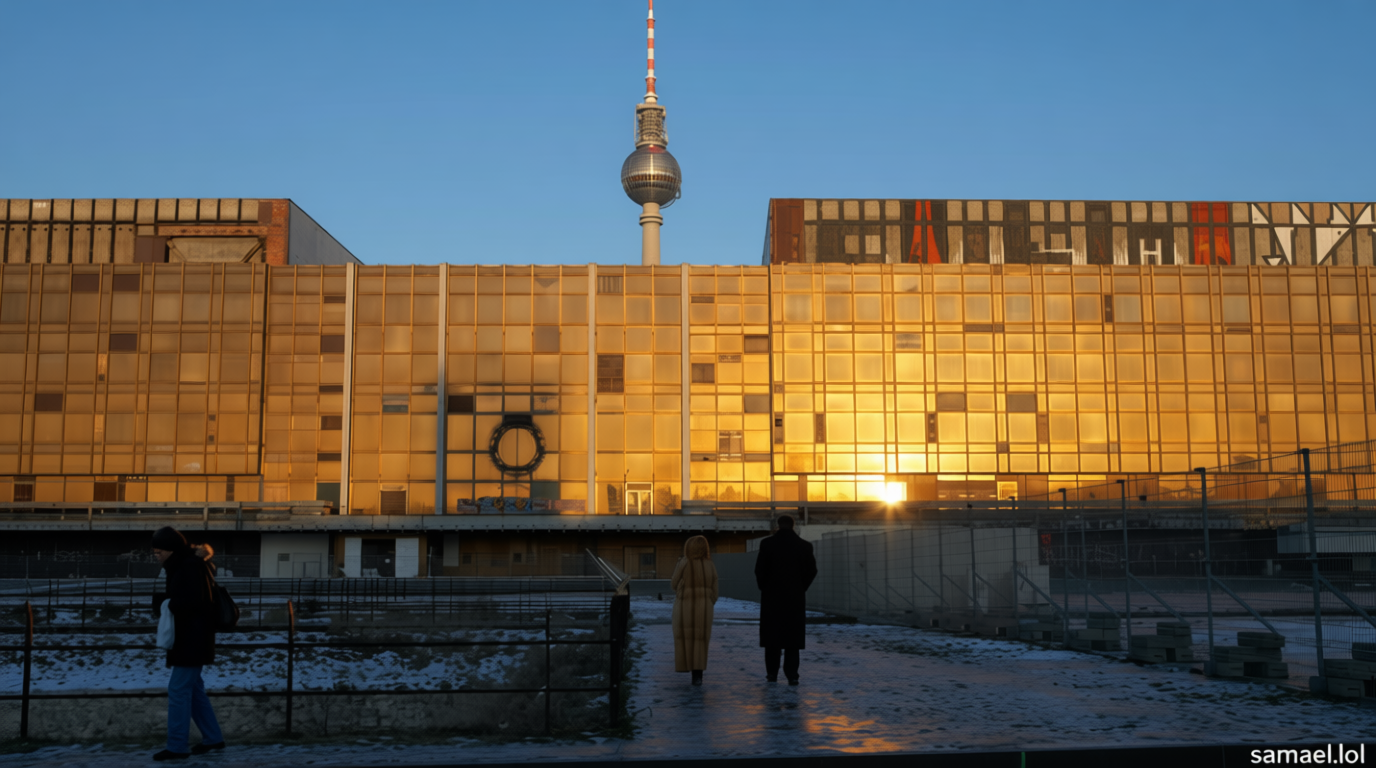
The Rise and Fall of the Palace of the Republic
Samael.lol – The Palace of the Republic in East Berlin stood as a symbol of the communist state’s influence from 1976 to 1990. Though controversially demolished, its presence lingers in memory, reflecting the complex legacy of the German Democratic Republic (GDR). Originally conceived as a “house of the people,” the building aimed to represent socialist values while offering cultural and social spaces for citizens.
Construction began in 1973, with the goal of completion by 1976. The GDR invested heavily in its creation, diverting resources from other projects. Upon opening on April 23, 1976, the structure boasted two main halls: one housing the parliament, which functioned more as a ceremonial body, and another hosting diverse events. From political gatherings to performances by international artists like the Gewandhaus Orchestra and South African singer Miriam Makeba, the palace served as a multifunctional hub.
Its design included a grand foyer, 86 by 72 meters in size, that doubled as an art gallery. Across its floors, visitors found a mix of venues—restaurants, bars, cafes, an ice cream shop, and even a disco and bowling alley. “It was always full, always full of people,” recalled Hans-Peter Tennhardt, an acoustic technician. “Something was always going on, whether it was someone in some corner reading poetry aloud or a small group playing music.”
A Political Statement with Cultural Appeal
Despite its grandeur, the palace sparked mixed reactions. Some viewed it as a display of the SED’s authority, while others embraced its role as a lively contrast to everyday life. The nickname “Erich’s Lamp Store” emerged from the foyer’s bulbous light fixtures, a playful jab at SED leader Erich Honecker. Others dubbed it “Palazzo Protzo,” mocking its opulent scale.
Mareen Maaß, a museum program manager, noted the building’s dual symbolism. “For some, it was a symbol of the GDR’s oppressive era,” she said. “It took a lot of money to build that place, so they were very critical because they said all the money went to this building while other areas lacked resources.” Yet, for many, the palace represented a rare space of joy and community within a rigid political system.
The structure’s destruction in 2006-08 marked the end of an era, but its influence persists. Even in its absence, the debates it inspired remain part of Germany’s historical narrative, highlighting the tension between state ideology and public sentiment.