Iran War Sparks Aviation Crisis in Africa
Samael.lol – The Iran conflict has intensified challenges for African airlines, prompting them to adjust pricing, cut routes, and modify operations to maintain financial stability. As global air travel faces pressure from this crisis, African carriers are particularly vulnerable due to their reliance on fuel and operational adjustments. Jet fuel, a kerosene-based product derived from crude oil, has seen dramatic price hikes, with some markets experiencing doubling costs. This surge has created shortages and forced airlines to rethink their logistics.
Energy Security Concerns Drive Fuel Price Increases
Global oil prices have risen sharply amid worries about the sustainability of the US-Iran ceasefire. On Wednesday, Brent crude reached nearly $98 per barrel—a 30% increase since the war began, according to Reuters. Analysts linked this rise to fears that the fragile truce might break, following the US detention of an Iranian vessel and the near-stagnation of shipping in the Strait of Hormuz. These developments have directly impacted African carriers, as noted by Dominick Andoh, managing partner at AviationGhana. “The situation has altered how much fuel African airlines can afford to buy,” he explained to DW.
“The prices of tickets have gone up,” Andoh added. “Fuel surcharges now account for significant portions of ticket costs, especially since April.”
Some African airlines are adapting to these strains. Kenya Airways, for example, has shifted more European travelers through its Nairobi hub rather than traditional Gulf transit points. CEO George Kamal stated, “We are re-routing customers to Kenya, leveraging our hub in Nairobi instead of Gulf routes.” This strategy aims to reduce expenses while maintaining service.
Severe Financial Strains on Airlines
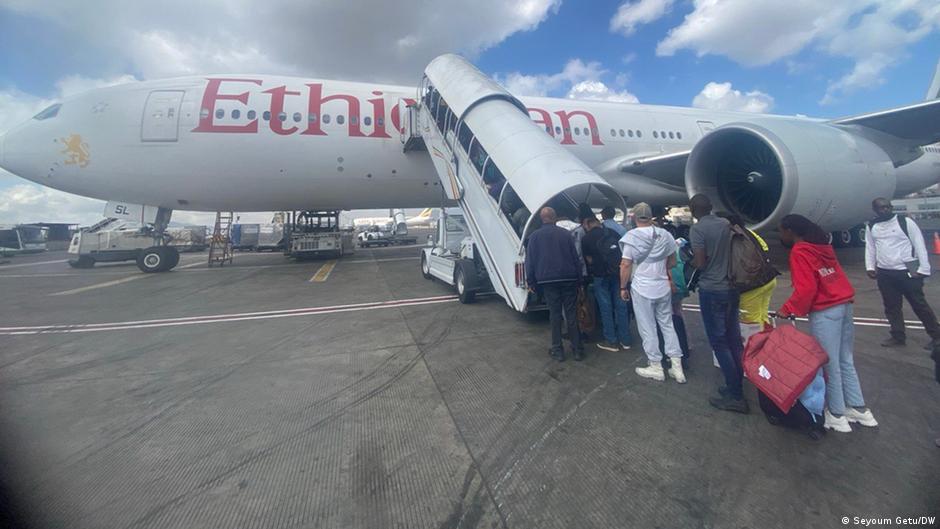
Financial pressures have escalated, with Ethiopian Airlines reporting weekly losses of approximately $137 million. Lemma Yadhecha, the airline’s business manager, told local media, “Destinations once served by three flights daily now see over 100 cancellations weekly, costing us around $137 million each week.” Meanwhile, Aliko Dangote, a Nigerian business magnate, warned that most African carriers might not endure the current fuel crisis. “The majority of African airlines won’t survive the spike in costs,” he said at the Semafor World Economy summit in Washington, D.C.
Airspace restrictions near Gulf nations have compounded the problem, leading to rerouted flights and higher operational expenses. Even if the Strait of Hormuz reopens, recovery may take months, as IATA’s Willie Walsh cautioned. “Refining capacity disruptions in the Middle East are critical to global supply chains,” he noted. “Fuel prices alone aren’t the only concern—other refined products also face challenges.”
As the crisis continues, its effects are rippling into tourism, a sector heavily dependent on air travel. In South Africa, operators are grappling with reduced passenger numbers and higher fares. The situation underscores the interconnectedness of global conflicts and regional economic stability in the aviation industry.