Iran War: US Gasoline Prices Rise Amid Escalated Conflict
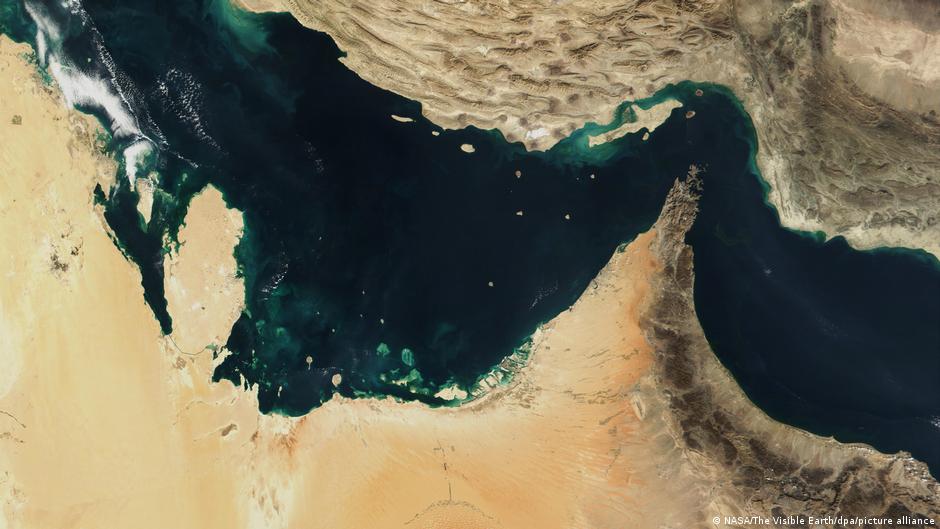
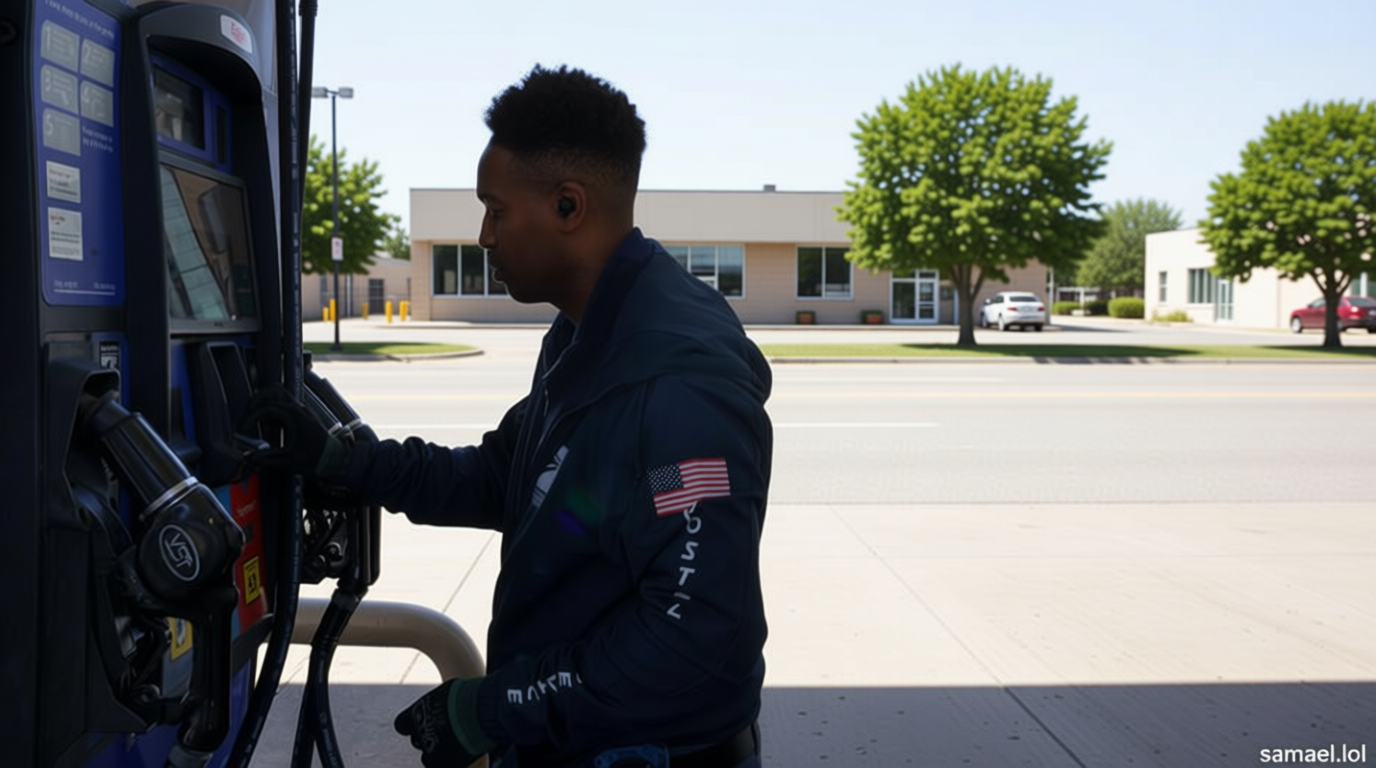
Samael.lol – GasBuddy reports that the national average for a gallon of gasoline in the United States has reached $4, marking the first occurrence since 2022. This spike comes as tensions between Iran and the West intensify, with Iran reportedly implementing a new policy to levy charges on ships traversing the Strait of Hormuz.
Kuwaiti Tanker Hit by Iranian Strikes
A Kuwaiti oil tanker, stationed at a Dubai port, was struck by what appears to be Iranian attacks, as stated by Kuwait’s state news agency, KUNA. The vessel was fully loaded at the time, according to Kuwait Petroleum Corporation. The company issued warnings about potential oil spills in nearby waters. Dubai Media Office confirmed that firefighting teams were deployed and that all 24 crew members were safe, with no reported injuries.
Oil Prices Climb Post-Attack
Following the incident, the US benchmark crude oil price, West Texas Intermediate (WTI) futures, surged by 3.4% to $106.40 per barrel by 19:54 ET on Monday. This increase aligns with the broader impact of the conflict on global energy markets, as disruptions in key shipping routes heighten concerns over supply stability.
Trump’s Mixed Messages in War on Iran
On March 30, President Donald Trump conveyed conflicting signals regarding the Iran war. He asserted that the United States was securing victory, despite thousands of military personnel being deployed to the region. Simultaneously, he claimed progress in negotiations with Iran, though the Iranian Foreign Ministry spokesman denied any direct talks had taken place. Trump also hinted at potential strikes on Iran’s energy infrastructure if the country failed to reopen the Strait of Hormuz.
“The United States is winning the war,” Trump stated, while adding, “We’ve made progress in discussions with Iran.”
Houthi Group Enters the Conflict
The Iranian-backed Houthi militia, which governs significant areas of Yemen, intensified the war over the weekend by launching a missile attack on southern Israel. Analysts caution that the group may target vessels in the Red Sea, risking further strain on international energy supplies.
“No direct talks have occurred,” said the Iranian Foreign Ministry spokesman, emphasizing the lack of progress in diplomatic efforts.
As the conflict unfolds, the interplay between military actions and economic consequences continues to shape the global landscape, with energy markets and consumer costs bearing the brunt of escalating tensions.