Iran: Daily Life Shaped by War, Scarcity, and Anxiety
Samael.lol – The ongoing US naval restrictions have significantly impacted everyday Iranians, even as they target Tehran’s leadership. While the blockade aims to curb oil exports and weaken the Iranian regime, its effects are most acutely felt by the general population. Reports indicate that nearly a third of Iranian ships have managed to bypass the blockade since mid-April, though the US military claims it could sustain the operation for extended periods.
Strategic Tensions and Economic Strain
The closure of the Strait of Hormuz by Iran has intensified US efforts to disrupt its maritime trade. Washington seeks to limit oil shipments and apply pressure on the regime, a strategy reminiscent of the Iran-Iraq conflict’s final years. Security analyst Shahin Modarres from Rome’s Tor Vergata University notes that such measures could erode Iran’s economic stability over time, potentially leading to a ceasefire without deeper reforms.
“The only losers in such a scenario are the population — regardless of whether the war continues or ends without structural changes,” Modarres remarked.
Iran’s reliance on imports for essentials like rice and production materials adds to the crisis. Economic journalist Ashkan Nizamabadi highlights that the nation brings in about a million tons of rice annually, mostly from India and Pakistan. A prolonged sea blockade may force Tehran to use more costly land routes or seek closer ties with Turkey, increasing expenses for consumers.
Uncertainty in Everyday Existence
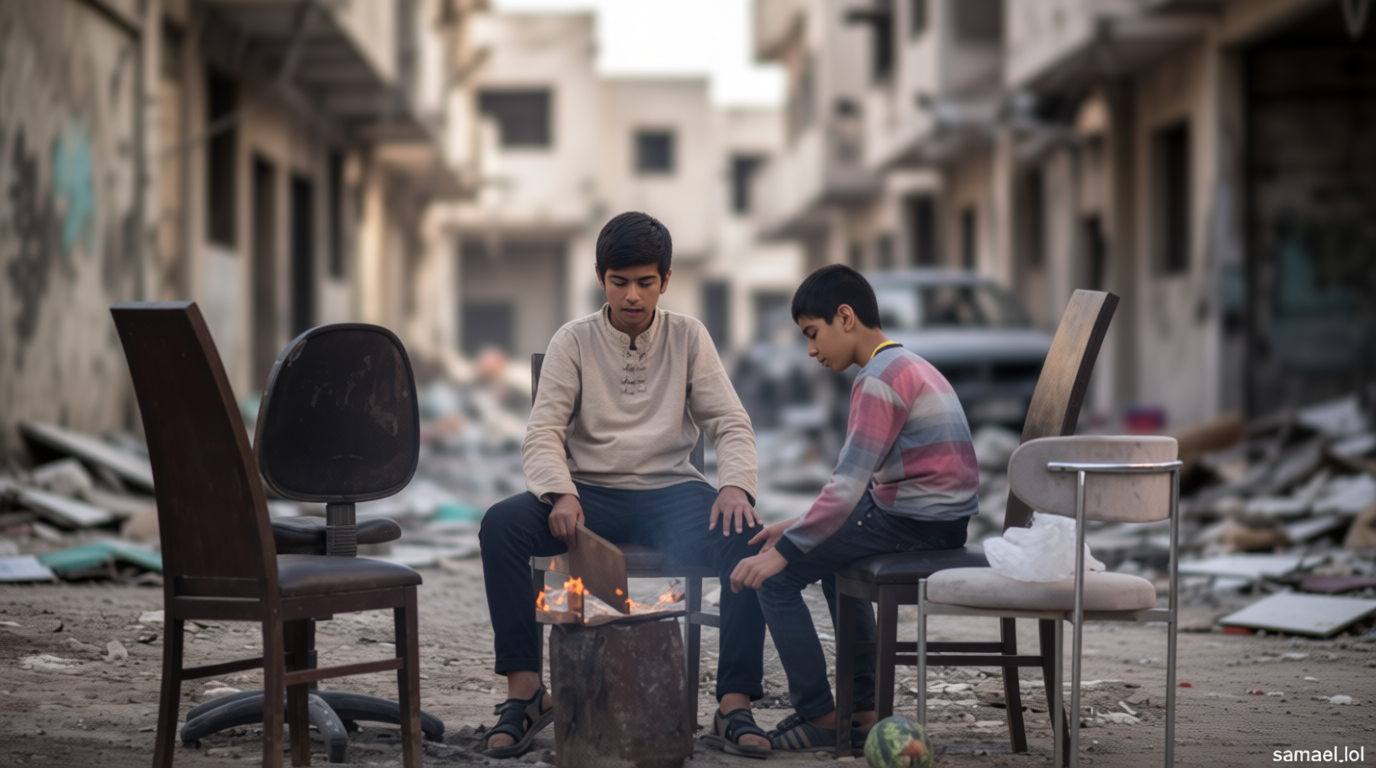
For many, the struggle is not just economic but existential. A Tehran-based journalist, who requested anonymity, described a society on edge: “Everyone is now living from one day to the next.” Supermarkets and bakeries see customers buying minimal supplies, uncertain about the future. This anxiety is compounded by job losses, with thousands laid off after industrial targets were hit during the conflict.
“Everything came to a standstill during the strikes last winter. Then came the protests, then the war. Now we have a ceasefire, but nothing has improved,” said Samaneh, a former cosmetics store sales assistant.
Families are depleting savings to survive, with some young individuals returning to their hometowns or fleeing urban centers. The prolonged crisis has left daily life in constant flux, with services disrupted and recovery delayed. As tensions persist, the burden on ordinary citizens grows, shaping a reality defined by endurance and fear.