Is Ethiopia Bracing for War?
Samael.lol – Recent developments suggest that Ethiopia’s longstanding disputes with Eritrea may be reigniting, despite a temporary pause linked to the war in Iran. Analysts note that the current geopolitical situation in the Horn of Africa remains tense, with Ethiopia’s Prime Minister Abiy Ahmed clearly signaling the country’s ambitions beyond its landlocked status.
Abiy Ahmed’s remarks during a recent televised address highlight his resolve to assert Ethiopia’s maritime access. The nation lost its direct connection to the Red Sea in 1993 when Eritrea achieved independence following decades of conflict. Initially, a 1993 agreement permitted duty-free imports through Eritrea’s Assab port, but this arrangement collapsed during a renewed border dispute in the late 1990s. Now, Ethiopia relies heavily on Djibouti for trade, a burden that analysts like Abduraham Sayed argue needs addressing.
“The reason he is pushing for this right now is not because there is no access to the Red Sea or to ports near Ethiopia,” says political analyst Abduraham Sayed. “He seeks direct control, which coastal states are resisting.”
Sayed suggests Ethiopia’s drive for coastal access is influenced by external actors, particularly the United Arab Emirates. However, the UAE faces mounting pressure due to regional conflicts, potentially limiting its support if hostilities resume. This shift could impact Ethiopia’s strategic positioning in the event of a renewed clash with Eritrea.
Peace Agreements and Unresolved Tensions
The 2018 peace accord between Ethiopia and Eritrea was seen as a turning point, offering Ethiopia a chance to secure maritime access with economic and security assurances. Abiy Ahmed’s Nobel Peace Prize in 2019 underscored this progress, yet recent tensions suggest the agreement has not fully resolved underlying issues.
According to Guido Lanfranchi of the Dutch Institute of International Relations, the current “pause” in conflict is tied to disruptions caused by the Iranian crisis, which have raised fuel prices and strained regional logistics. “This doesn’t mean the danger has passed,” Lanfranchi explains. “The rivalry’s roots are still deep, and international attention should remain focused.”
Lanfranchi’s colleague, Amanuel Dessaglen Gedebo, points to Eritrea’s indirect strategies. While the country has shown little interest in open conflict, it has strengthened ties with the Tigray People’s Liberation Front and provided backing to groups like the Amhara militia Fano. Additionally, Eritrea’s growing alignment with Egypt complicates regional dynamics.
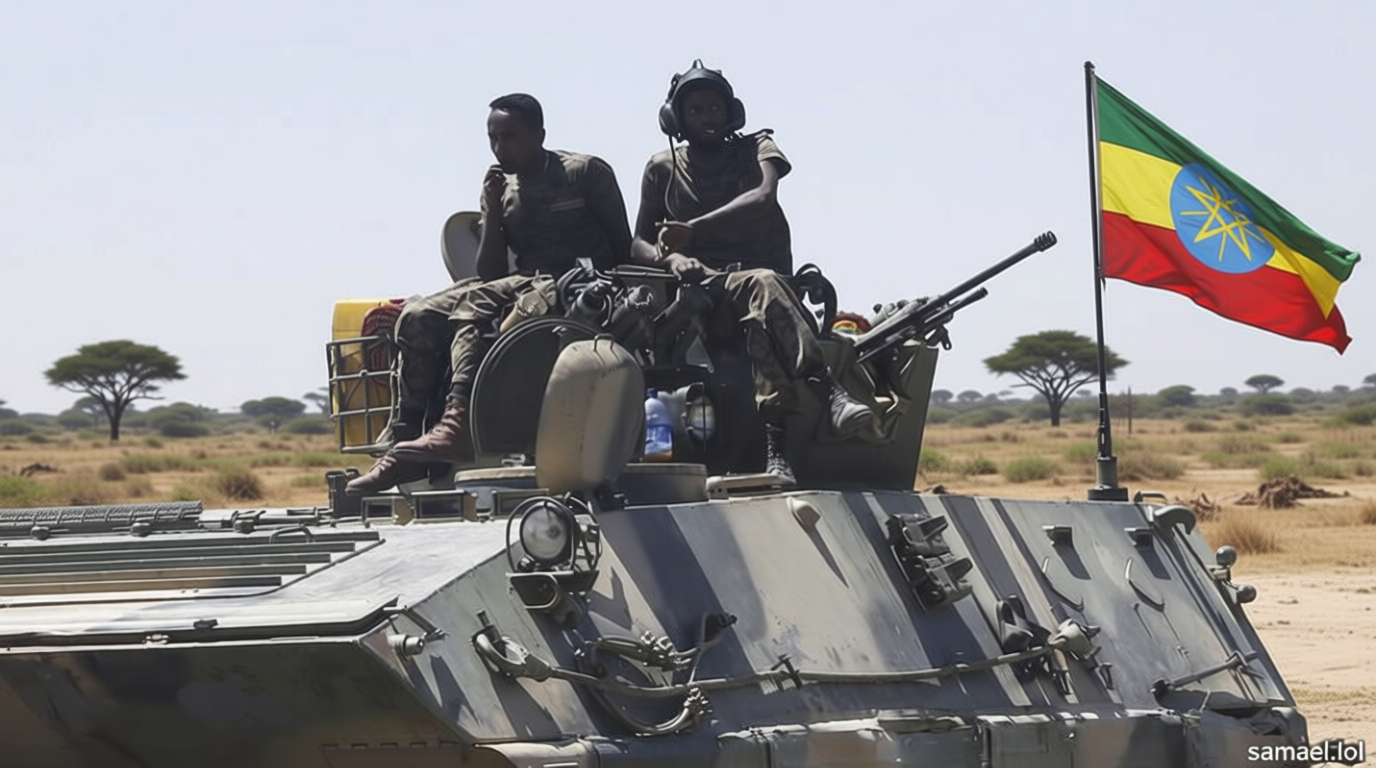
Despite the 2022 settlement of the Tigray conflict, the region’s fragile economic state persists. Analysts stress that the central challenge in Ethiopia remains the unresolved tensions in Tigray, which continue to shape the nation’s political and military landscape. Abiy Ahmed’s push for maritime access has intensified since 2023, with reports of Ethiopian and Tigray forces positioning along the 1,000-kilometer border with Eritrea. Yet, war has not yet erupted, leaving the situation in a state of prolonged uncertainty.