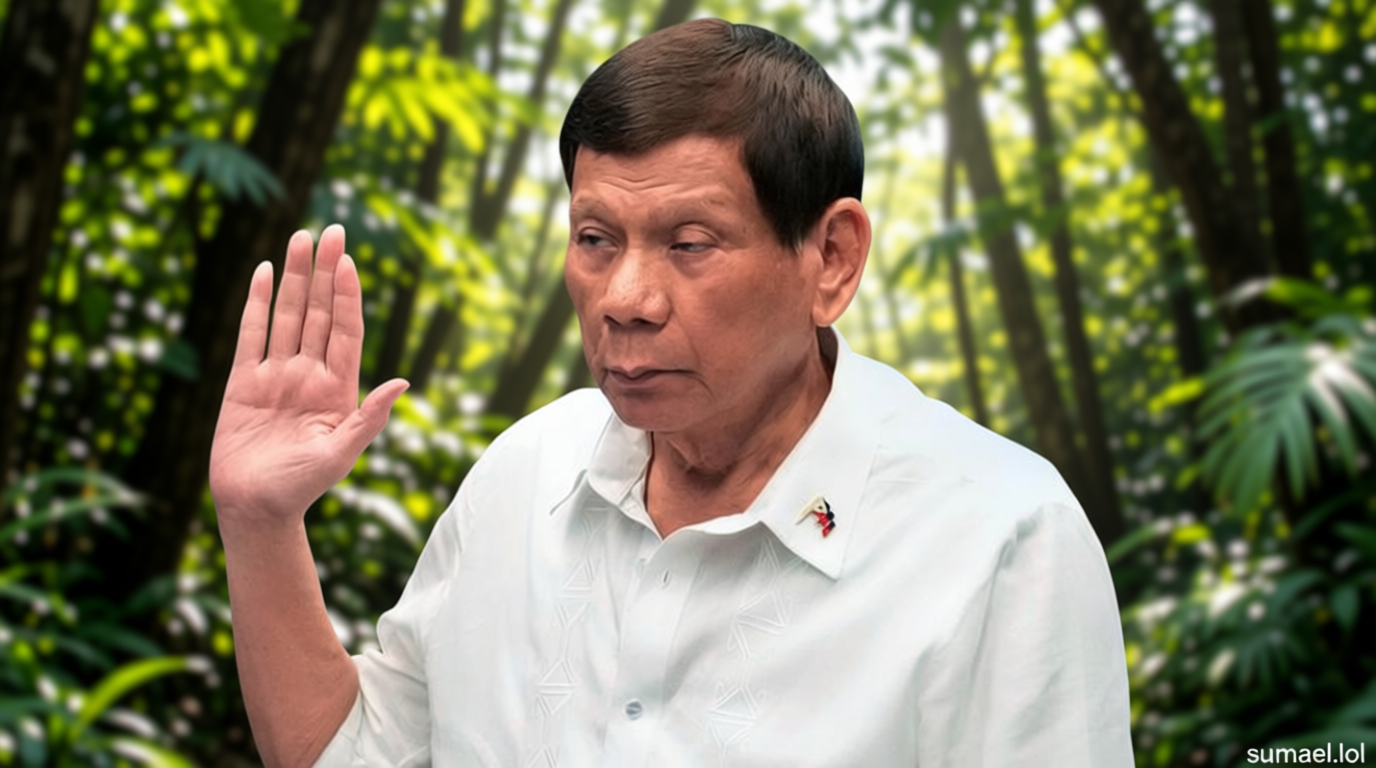
ICC Confirms Duterte Can Face Trial for Drug War Crimes
Samael.lol – The International Criminal Court (ICC) has ruled that former Philippine President Rodrigo Duterte may be tried for crimes against humanity linked to his leadership during the country’s violent anti-drug campaign. A panel of three judges on Thursday affirmed that there is sufficient evidence to proceed with the case, though the exact trial date remains pending.
Duterte’s alleged role centers on a policy he implemented to eliminate drug users and dealers, which prosecutors claim resulted in widespread extrajudicial killings. The court noted that this strategy was carried out both in his capacity as mayor of Davao and later as president from 2016 to 2022. Human rights organizations estimate that over 30,000 individuals were killed during his tenure, while police reports cite 6,000 fatalities.
Victims and Justice
The ICC highlighted that victims were often executed without formal charges or trials. “Law enforcement followed unverified lists of people allegedly using or selling drugs, stormed their homes, and shot dead unarmed individuals, including those who posed no threat,” said a representative from Amnesty International.
“This is a historic moment for victims and international justice,” remarked Ritz Lee Santos, director of Amnesty International Philippines, emphasizing the significance of the court’s decision.
Prosecutors argue that the killings were motivated by financial incentives or the desire to avoid becoming targets. Duterte, now 81, has denied all accusations and was arrested in the Philippines in March 2025, transported to The Hague for proceedings. He has opted to attend hearings remotely, waiving his right to be physically present.
Legal Challenges Rejected
Earlier this week, appellate judges dismissed Duterte’s team’s request to dismiss the case, citing the court’s jurisdiction. The legal defense also failed to halt the trial by referencing his poor health, which had previously caused delays. His lead attorney, Nick Kaufman, criticized the ICC’s decision as relying on “uncorroborated statements from vicious self-confessed murderers acting as cooperating witnesses.”
The court’s ruling underscores the gravity of the drug war’s impact, with evidence pointing to a systematic approach to targeting individuals perceived as criminals. While the Philippines withdrew from the ICC, the court maintains that its authority stands, paving the way for potential accountability.
To view this video, JavaScript must be enabled, and a web browser supporting HTML5 video is required.