Everest ice block obstructs large group of spring climbers
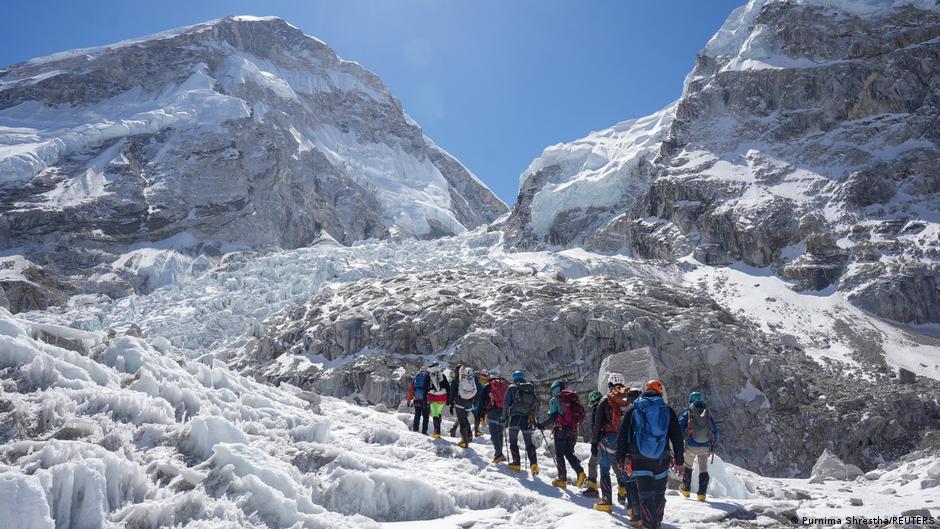
Samael.lol – A towering section of glacial ice has formed above the Khumbu Icefall, near Everest’s Base Camp, creating a hazardous obstacle for climbers and the specialized teams tasked with clearing minor ice hazards. This significant ice block, known as a serac, threatens the standard climbing path to the summit and reduces the already limited time window available for ascent during the peak spring season.
Nepal’s tourism authority has granted 410 permits for this year’s climbing season, highlighting the economic importance of mountaineering in the nation. With eight of the world’s ten highest peaks located within its borders, Everest is a key driver of revenue for the country. However, the recent ice buildup has complicated preparations, as “icefall doctors”—skilled climbers who remove smaller ice formations—struggle to maintain safe passage for less experienced hikers.
The Khumbu Icefall, a labyrinth of shifting crevasses and ice barriers, lies just above Camp One and is considered one of the most perilous sections of the South Col route. At over 5,300 meters (17,400 feet), the massive serac could collapse unexpectedly, triggering a deadly avalanche. “This is not something you can fix or move,” stated Himal Gautam, representing the Department of Tourism. “It’s natural. We can only wait and assess.”
“We expect it will clear in a few days,” added Dawa Jangbu Sherpa, a member of the icefall doctor team. The specialists have been working to install ropes and ladders to ease the journey, but the current situation remains a critical challenge.
Climbers have established a remote tent village at higher elevations, housing approximately 1,000 individuals, including foreign adventurers and support staff. This gathering underscores the urgency of the spring climbing window, which typically ends by late May. March through April is devoted to acclimatization and base camp setup, while May offers the shortest and most intense window for summit attempts.
The risks associated with the ice blocks have been heightened by increased activity on the mountain. Overcrowding has led to congested trails and visible signs of environmental strain, such as litter and debris. As the window for climbing shortens, these challenges grow more pronounced.
Historical incidents, like the 2014 avalanche that claimed 16 Nepali guides, have shaped the cautious approach to Everest’s ice formations. That event remains one of the deadliest in the mountain’s climbing history, emphasizing the need for vigilance. Despite the challenges, the 410 permits this season approach the record of 479 issued in 2023, reflecting Everest’s enduring appeal as a climbing destination.