Iran’s Strategic Use of the Strait of Hormuz
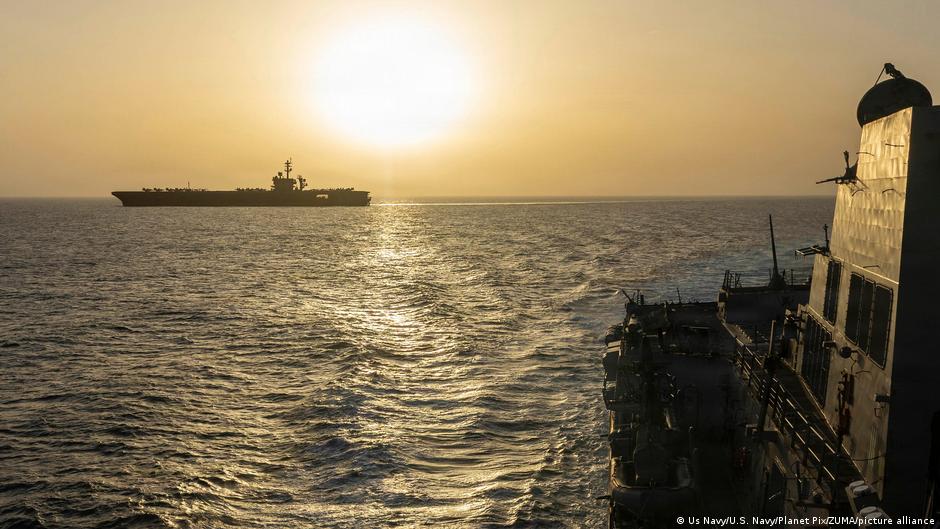
Samael.lol – The U.S. has hinted at seeking dialogue, but Iran is capitalizing on the global reliance on Persian Gulf energy and its most potent asset—the Strait of Hormuz—to gain leverage. The region remains volatile, with diplomatic ties between Washington and Tehran still intact, as President Trump recently prolonged the ceasefire. However, peace discussions appear stagnant, with no new dates set for talks in Islamabad. Promises from Trump to restart negotiations have yet to materialize, and Iran has not indicated plans to engage further.
The Strait as a Political Tool
Iran aims to monetize the strategic waterway, with initial toll fees already collected by its central bank, as reported by Tasnim. Experts suggest the current stalemate reflects a broader contest for time, influence, and endurance rather than a direct military clash. “Both sides are engaged in a patience-driven tactical maneuver,” noted Hana Voss, a Middle Eastern analyst at Germany’s Friedrich-Ebert-Stiftung. Voss emphasized that Iranian leaders fear the talks might mask military actions, underscoring their cautious approach.
“In Tehran, they are very worried that this could be a ploy, as in, talks happening parallel to military preparations,” said Voss to DW.
Military and Economic Dimensions
Pauline Raabe, a political scientist at the Berlin think tank Middle East Minds, highlighted Iran’s deliberate use of leverage. “The Strait of Hormuz is one of Iran’s strongest cards,” she stated. By controlling this vital passageway, Iran can influence global oil and gas flows, creating economic pressure. Voss added that even threats can disrupt shipping, as companies might withdraw and insurers could halt coverage. Drones and mines further amplify the risk, securing Iran’s strategic position.
“Tactically speaking, Iran currently holds the upper hand—and that is exactly what creates a strategic advantage,” according to Voss.
Regime Resilience and Ideological Priorities
Meanwhile, Raabe pointed to the military dimension, stating that Iran’s rocket capabilities were underestimated. This challenges the narrative of Iran’s decline, suggesting the regime is strengthening its position. The conflict also extends beyond economics and defense, as highlighted by the Washington Institute for Near East Policy. Their analysis warned that Iran may prioritize ideological goals, such as religious dominance, over domestic needs.
“The Iranian regime is ready to ‘prioritize its ideological mission’ over the population’s demands,” noted the Washington Institute.
Voss agreed, noting that leaders are willing to impose hardships on their citizens. “The suffering in Iran has surpassed that of Western societies for years,” she said. Additionally, the ongoing conflict is fortifying the regime internally, fostering unity during crises. As tensions persist, internal pressure mounts in the U.S., with prolonged conflict likely to intensify economic strain, according to Raabe.