Is the far-right AfD misusing its parliamentary questions?
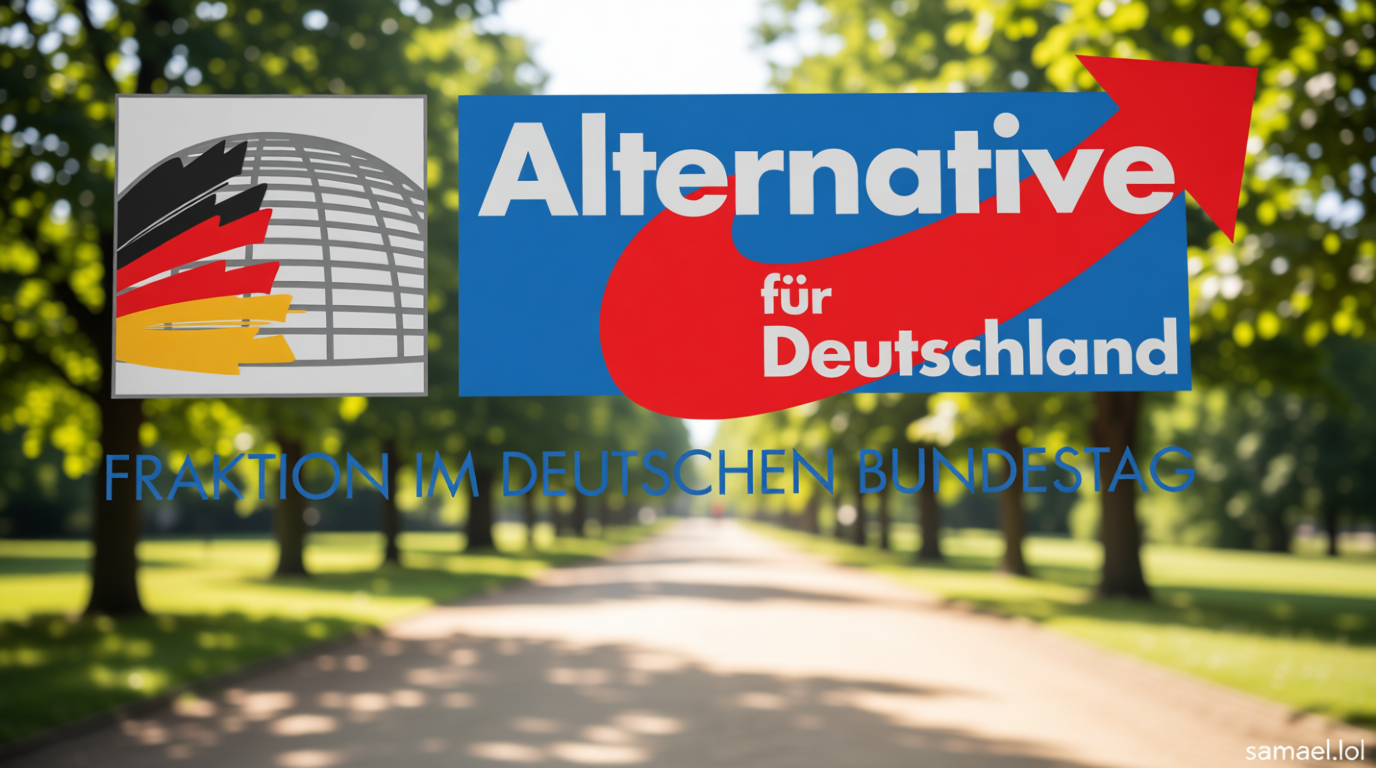
Samael.lol – The Alternative for Germany (AfD) has raised thousands of formal parliamentary inquiries across state legislatures, a privilege granted to all elected parties. However, some observers claim these questions serve as a tool to challenge political adversaries. In January 2024, Roland Feucht, a Bavarian school principal, sparked controversy by inviting students to a rally advocating for democracy and social inclusivity. The incident drew backlash from AfD members, who submitted a Kleine Anfrage to the Bavarian state parliament, accusing Feucht and other educators of breaching the political neutrality expected of public servants. The lawmakers questioned whether the state government would penalize Feucht for his actions.
Feucht defended his stance, and the Bavarian government found no grounds for criticism. Yet, Simone Fleischmann, head of the Bavarian teachers’ association, highlighted the broader implications:
“Every one of those questions makes you, as a teacher, pause. As a teacher, it makes you wonder: Should I do this? Am I stepping into dangerous territory? Because that’s what it is when I know I might be denounced.”
Fleischmann’s remarks underscore concerns that the AfD’s inquiries could intimidate individuals and organizations.
Reports of AfD intimidation are growing. Refugee support workers have described feeling under constant scrutiny, as noted by public broadcaster NDR. Across Germany, various groups including researchers, religious institutions, and political parties have raised alarms about the AfD’s potential abuse of its parliamentary rights. Kleine Anfragen—written questions posed by lawmakers to governments—are a cornerstone of German democracy, enabling opposition to hold power accountable. Their answers are public, compelling the executive branch to reveal policy-related data.
Despite this, the AfD is increasingly leveraging the tool. Between March and October 2025, the party submitted 525 such questions to the federal Bundestag, nearly two per day, and almost two-thirds of all parliamentary queries. State-level activity is also rising, particularly in Thuringia, a stronghold for the AfD. Björn Höcke, a leading figure in the party, chairs Thuringia’s state parliamentary group. Höcke, who has faced convictions for using Nazi-era slogans, is regarded as one of the AfD’s more radical voices. The Thuringia branch has been labeled “confirmed right-wing extremist” by German security agencies.
Katharina König-Preuss, a socialist Left party representative in Thuringia, suggests the AfD’s strategy involves overwhelming civil society with inquiries. She comes from a family with a legacy of resisting authoritarianism and extremism. König-Preuss claims AfD members frequently attack those who oppose them, often targeting individuals and groups.
“Anyone who has ever spoken out against the AfD becomes the subject of a flood of questions,” she said to DW.
She also points to questions about Thuringia’s LGBTQ+ population, likening them to historical tactics used by the Nazi regime to identify and persecute minorities.
Such inquiries, she argues, revive memories of dark periods in German history, when Jews, Sinti, Roma, and homosexuals were systematically targeted. The AfD’s actions, she implies, are not just about policy but about shaping public perception through relentless questioning.