Mamdani Says He Would Ask King Charles to Return Koh-i-Noor
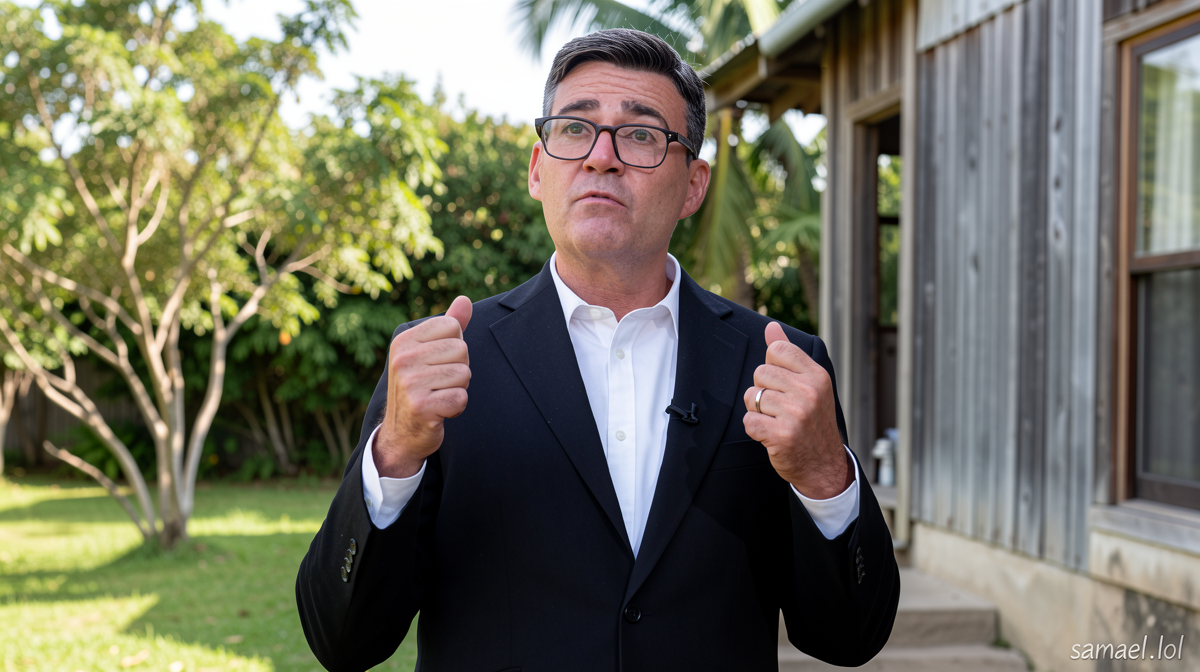
Samael.lol – Just hours before meeting King Charles III at a ceremony in New York City, Mayor Zohran Mamdani voiced his support for the return of the Koh-i-Noor diamond from British possession. The 105-carat gem, a symbol of centuries-old colonial history, is currently housed in the Crown Jewels but has been the subject of intense debate between India and the UK. Mamdani, who traces his heritage to the Indian subcontinent, emphasized the diamond’s cultural significance during a press conference, hinting at his potential stance on the matter. This moment occurred as the royal couple embarked on a four-day visit to the United States, beginning on Monday.
The Controversy Over Ownership
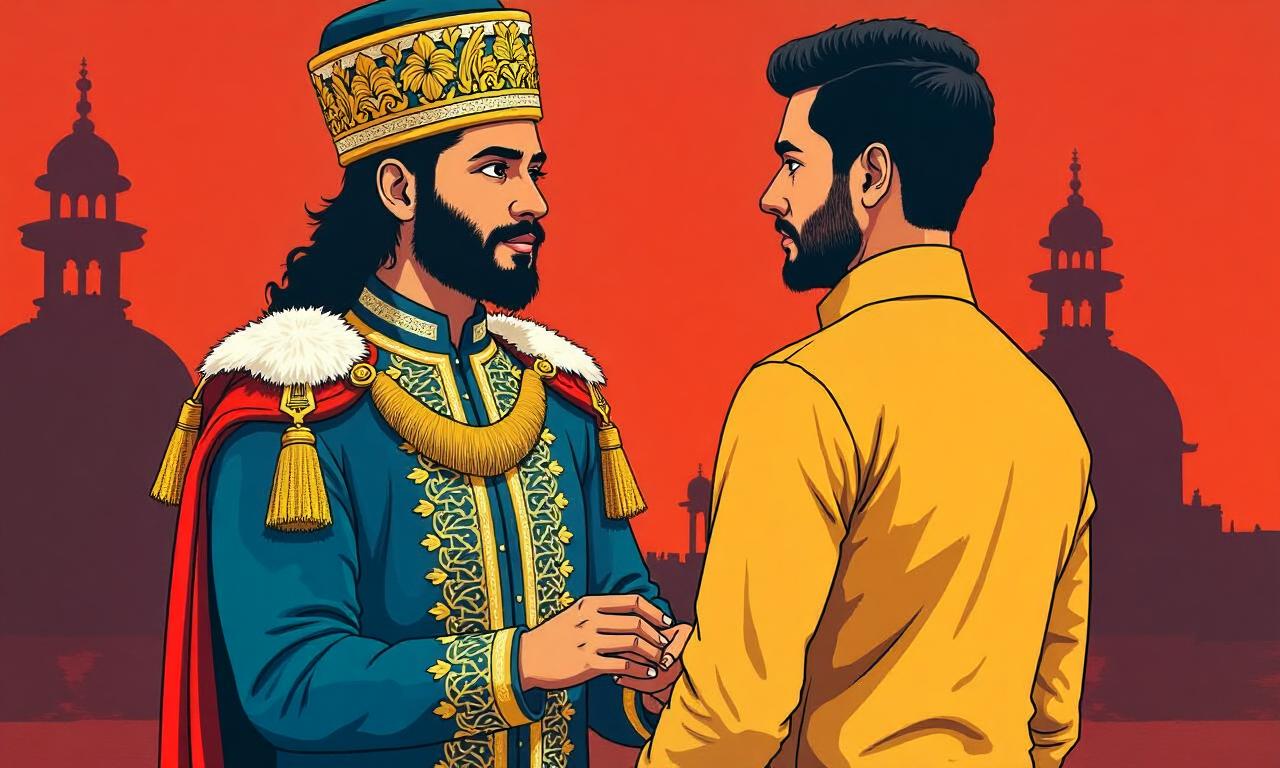
The Koh-i-Noor, meaning “Mountain of Light” in Persian, has long been a contested artifact. India asserts that the diamond was taken during British rule, specifically in 1849, when the Anglo-Sikh War concluded. At that time, the 10-year-old Sikh ruler, Duleep Singh, signed a treaty that ceded the gem to the British Crown. The diamond’s journey from Golconda mines in India to the British monarchy has been marked by both historical upheaval and strategic acquisitions. Today, its ownership is seen as a reminder of colonial domination, with many Indians viewing it as a stolen relic of their nation’s past.
Mamdani’s remarks during the press conference reflect a growing sentiment among Indian-Americans and global advocates for decolonization. “If I were to speak to the King separately from [the purpose of the event], I would probably encourage him to return the Koh-i-Noor diamond,” he said, underscoring the personal and political weight of the issue. The mayor’s Indian roots likely influenced his perspective, aligning him with those who argue the diamond should be repatriated to its original homeland. This stance adds a layer of cultural diplomacy to the ongoing discourse, as the United States hosts a royal couple while its own political figures weigh in on the matter.
A Historic Visit and Unspoken Messages
King Charles III and Queen Camilla arrived in New York for a four-day visit, marking their first stop on a tour that includes engagements across the United States. The ceremony honoring 9/11 victims provided a backdrop for Mamdani’s meeting with the monarch, though it’s unclear whether the diamond was a topic of discussion. Photos from the event show the mayor and King Charles exchanging a firm handshake, a gesture that may have carried deeper implications than the public event suggested.
Neither Mamdani’s office nor Buckingham Palace has released details about the interaction, leaving the conversation shrouded in ambiguity. This silence has sparked speculation about the mayor’s intent and the royal couple’s willingness to address the Koh-i-Noor’s fate. While the meeting itself was brief, it placed Mamdani in a unique position to bridge the gap between Indian heritage and British royal tradition. The timing of his comments, however, suggests a deliberate effort to highlight the diamond’s historical and emotional value to the host nation.
The Diamond’s Journey Through Time
Before reaching the British Crown, the Koh-i-Noor passed through the hands of various rulers, including Mughal princes, Iranian warriors, Afghan kings, and Punjabi Maharajas. Its origins trace back to the Golconda mines in India, where it was first discovered. The diamond’s weight was recorded at 186 carats when it was presented to the British in 1849, a pivotal moment that solidified its place in the Crown Jewels. However, its visual appeal was initially questioned, leading to a significant transformation.
The stone’s traditional rose cut did not satisfy the aesthetic demands of the Great Exhibition held in London in 1851. To enhance its brilliance, it was re-cut into an oval brilliant, a process that reduced its weight by approximately 40%. This alteration, though intended to elevate its visual impact, also diminished its original size and weight, sparking debates about the trade-offs of preserving its historical legacy versus its present-day allure. The re-cut diamond now rests in the crown of Queen Elizabeth the Queen Mother, a role it has held since the early 20th century.
The Koh-i-Noor has since become a fixture in British royal ceremonies. Queen Elizabeth I, now known as the Queen Mother, wore the crown during the coronation of King George VI in 1937. The same crown was later used for the coronation of her daughter, Queen Elizabeth II, in 1953. Yet, the diamond’s presence in these events has not gone unnoticed by India. The recent decision to crown Queen Camilla with Queen Mary’s Crown instead of the Koh-i-Noor reportedly aimed to avoid a potential diplomatic dispute, highlighting the delicate balance between tradition and political sensitivity.
Historical and Cultural Significance
India’s claim to the Koh-i-Noor is rooted in its historical narrative of colonial exploitation. The diamond’s transfer to the British in 1849 is seen as a symbol of the empire’s conquests, with the British monarchy retaining control despite the dispute. Former Prime Minister David Cameron, in 2013, defended the UK’s position, stating that returning the gem was “not sensible” at the time. His comments reflect a broader debate over whether the diamond’s cultural value justifies its return or if its historical journey warrants its continued British display.
Yet, the Koh-i-Noor’s legacy extends beyond political ownership. It has been a source of pride for India, often referred to as a “valued piece of art with strong roots in our nation’s history.” The diamond’s weight, size, and historical significance have made it a focal point for discussions on national identity and heritage. As the United States hosts the royal couple, Mamdani’s remarks bring renewed attention to the artifact’s contested status, placing it at the center of a conversation that spans continents and centuries.
The diamond’s size—comparable to a hen’s egg—has also contributed to its symbolic power. Its current placement in the Queen Elizabeth the Queen Mother’s crown has been a point of contention, with some arguing that it should be returned to India to honor its origins. Meanwhile, the British Crown has maintained its position, framing the Koh-i-Noor as a prized possession that represents the empire’s legacy. The contrast between these perspectives underscores the complexity of the issue, as the diamond serves as both a historical artifact and a contemporary political symbol.