Lomu, Wilkinson, Pollock? Rugby’s search for a crossover star
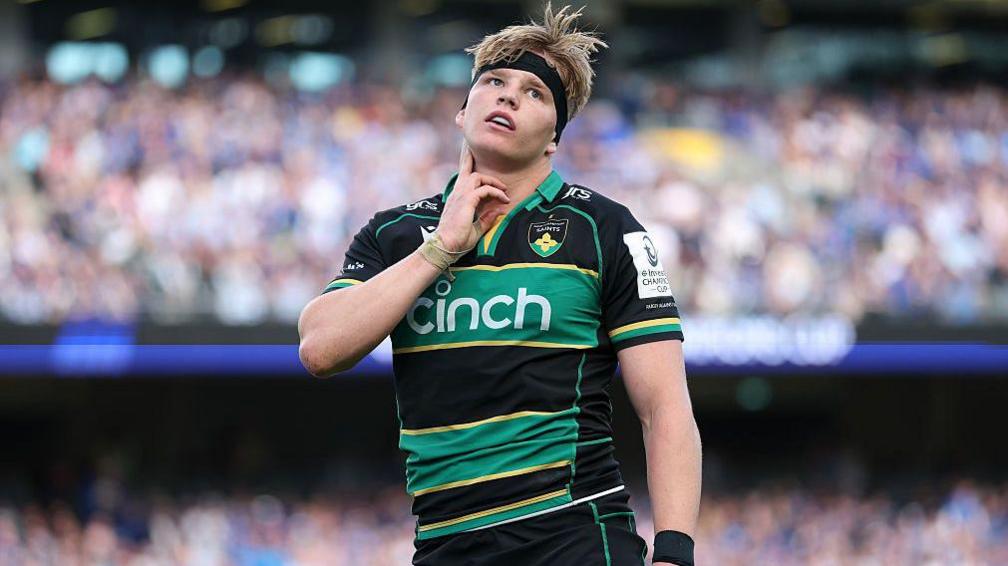
Samael.lol – Henry Pollock’s meteoric rise in the rugby world has captured attention beyond the pitch. At 21, the Northampton player is already making waves with his performances, leading his team to the Champions Cup final and securing a place in the British and Irish Lions squad. Yet, despite his on-field success, Pollock admits that his off-pitch recognition is still limited. When asked about how often he is acknowledged outside of rugby, he responded with a touch of humility: “A little bit,” he said on BBC Radio Northampton, “but not as much as you probably think.” This modesty contrasts with the growing expectations for his profile to expand further.
The Crossover Challenge
Rugby’s struggle to produce global icons has long been a topic of discussion. While the sport has seen standout players like Jonah Lomu and Jonny Wilkinson achieve international fame, the gap between elite rugby and mainstream popularity remains significant. Eddie Hearn, the charismatic promoter of boxing, has taken notice and aims to bridge this divide. By signing Pollock to his Matchroom talent agency, Hearn believes the player has the potential to become a unifying figure for rugby, capable of drawing attention from wider audiences.
“We’re going to make sure he’s across all mainstream media,” Hearn explained to the Times. “I’m going to make a huge difference to Henry’s profile. You’re going to see him everywhere. You’ll probably be bored of him after a while.”
Pollock’s journey from the second-tier Championship to the national team is a testament to his talent. Two years ago, he was part of Bedford’s squad, but his relentless performances have propelled him to the forefront. Now, with 10 England caps and a place in the Lions’ squad, he is a prime example of a rising star. However, his visibility is still a work in progress, with just 37% of the British public recognizing him, according to YouGov research. This figure places him joint-second among current players, behind only Owen Farrell, who enjoys 41% recognition.
Rugby’s challenge is not just about individual talent but about creating a narrative that resonates beyond dedicated fans. The sport has struggled to match the global reach of football, where players like Jude Bellingham command 71% awareness. Hearn’s approach highlights a broader ambition: to elevate rugby’s profile by leveraging the power of media and brand partnerships. “Look at Lamine Yamal over at Barcelona,” Pollock remarked, drawing a parallel between the football and rugby worlds. “He is only 18, and already his name is everywhere.”
From Tacklers to Icons
Pollock’s potential is part of a larger conversation about rugby’s need for crossover appeal. The sport has a history of producing stars who transcend the field, but these moments are rare. Lomu, for instance, became a household name after his dazzling performances in the 1995 Rugby World Cup. His ability to evade defenders and score tries made him a global phenomenon, even earning him a spot in a video game and sparking NFL interest. Similarly, Jonny Wilkinson’s precision and composure at the 2003 World Cup elevated him to international stardom, with his name synonymous with rugby excellence.
While these players achieved iconic status, their success was not the norm. Others, like Dan Carter, Siya Kolisi, Brian O’Driscoll, and Richie McCaw, also made their mark, but their reach often remained within the rugby community. Even players like Gavin Henson and Danny Cipriani managed to gain some crossover traction, though their influence was fleeting. The rarity of such figures underscores the need for strategic efforts to bring rugby into the mainstream.
Strategies for Growth
Chris Thompson, founder of We Know Rugby, emphasizes the importance of consistent media exposure for athletes. “There is the perennial challenge of getting big names in people’s eyeballs all year round – and that’s for any sport,” he told BBC Sport. “International and club rugby are two distinct products, each with its own audience and experience. The more they can collaborate, particularly in content, the stronger the sport will become.”
Thompson’s insights align with recent developments in rugby’s commercial landscape. Over the past year, England’s top flight has attracted major investors, with Red Bull acquiring Newcastle, Sir James Dyson becoming a co-owner of Bath, and a U.S. investor group exploring a deal for Exeter. These investments are not just about financial growth but also about creating a more vibrant, globally appealing brand. Simultaneously, the introduction of the Nations Championship – a season-long north v south-themed series culminating at Twickenham’s Allianz Stadium – is designed to weave a compelling narrative that might attract casual fans.
The partnership with ITV, which has secured free-to-air rights for the first two Nations Championship editions, is another step toward maximizing viewership. With the Six Nations also under shared broadcast rights, the sport is positioning itself to gain traction in the media spotlight. However, even with these efforts, the question remains: can rugby’s current stars, including Pollock, become as recognizable as those in football?
The Road Ahead
Pollock’s situation is emblematic of rugby’s broader challenge. While his on-field contributions are undeniable, his off-pitch visibility needs to grow. Hearn’s involvement with the Matchroom agency signals a shift in how rugby players are marketed, with a focus on creating lasting, recognizable brands. The hope is that by placing Pollock in the public eye, he will not only enhance his own profile but also inspire a new generation of fans.
Yet, the path to mainstream success is not without obstacles. Rugby’s traditional fan base is passionate, but the sport must also appeal to those who follow other sports. This requires more than just star power; it demands innovative storytelling and a commitment to making rugby more accessible. As the Nations Championship and Club World Cup initiatives take shape, the sport is gaining momentum, but it will take time to close the gap with football and establish its own crossover phenomenon.
Pollock’s story is still unfolding. Whether he becomes the next great rugby crossover star or remains a standout player within the sport, his journey reflects the broader aspirations of rugby. In an era where social media and global media can amplify a player’s reach, the potential for growth is there. But it is up to agencies, teams, and the sport itself to create the right opportunities and narratives that bring rugby into the spotlight – and keep it there.