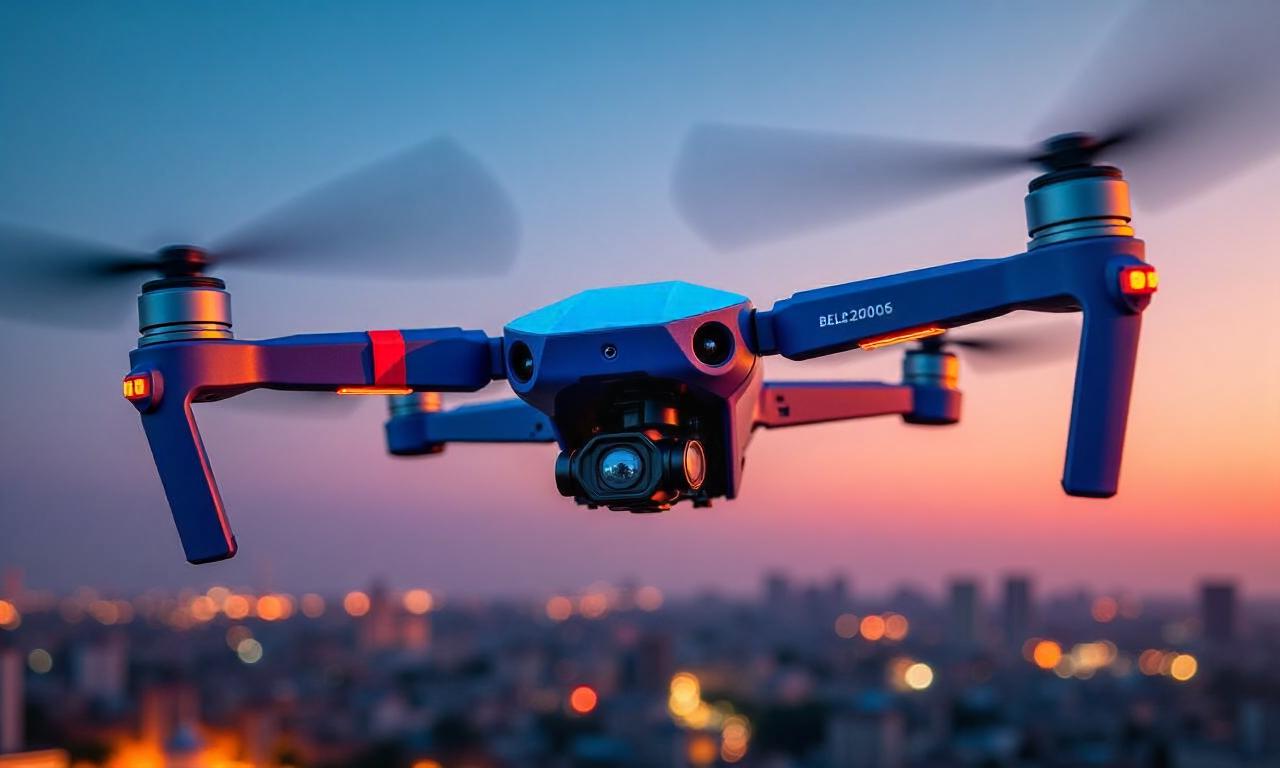
Why is China banning drone sales in Beijing?
Samael.lol – China has introduced sweeping new rules in Beijing that will significantly restrict the sale, rental, and transportation of drones within the city. Effective from Friday, drone operators will need permits to fly their devices, marking a shift toward stricter oversight. The regulations also prohibit the sale of drones and their core components, such as batteries and motors, in local markets. Additionally, drone owners must register their equipment with the police, adding a layer of accountability to the growing drone industry.
The move is part of broader efforts to enhance public safety, with authorities citing concerns about potential accidents and unauthorized flights. Drones, which have become a staple of modern transportation and delivery systems, are now under increased scrutiny. The government’s focus on safety aligns with its vision for the low-altitude economy—a sector it aims to expand as a strategic pillar for future growth. This initiative is expected to create over two trillion yuan in economic value by 2035, according to official projections.
Global Incidents and Diverse News Highlights
While Beijing’s drone regulations dominate the headlines, other parts of the world are also experiencing significant events. In Malaysia, a devastating fire in Sabah state displaced thousands of residents, destroying approximately 1,000 homes. The incident has sparked discussions about emergency response and infrastructure resilience in the region. Meanwhile, a two-year-old wolf named Neukgu escaped from a zoo in Daejon, capturing national attention and raising questions about wildlife management practices.
“Public safety has become a top priority, especially with the increasing presence of drones in urban environments,” said the BBC’s Laura Bicker, who has been investigating the regulatory changes.
Back in the Philippines, the nation’s leader invited skeptics to join him in the gym to demonstrate his fitness for office, a bold move that underscores his commitment to transparency. This challenge coincided with a major event in the K-pop world: the long-awaited return of group BTS. After a nearly four-year break, the megastars launched their most ambitious world tour yet, with a record-breaking performance in Seoul drawing an estimated 260,000 fans.
Separately, a viral video from Japan’s Ichikawa City Zoo showed a young macaque playing with a soft toy given by zookeepers to ease its anxiety. The footage highlighted the growing bond between humans and animals in captive settings. In Bangkok, a unique phenomenon has emerged: a shrine dedicated to the goddess Lakshmi has become a popular spot for young people seeking blessings for love, reflecting the fusion of tradition and modern culture in the city.
Disasters and Challenges Across Asia
Disaster-related news also dominated recent coverage. In Indonesia and Sri Lanka, extreme weather conditions led to a tragic toll, with at least 80 lives lost in Indonesia and 56 in Sri Lanka. Footage verified by BBC analysts showed the fire raging through Wang Cheong House, a historic site, for hours before local authorities managed to contain it. The incident has prompted calls for improved climate preparedness in the region.
“Voters in Myanmar are reporting a ‘climate of fear’ during the recent elections, indicating concerns about political freedom and security,” reported Jonathan Head, the BBC’s South East Asia Correspondent.
Meanwhile, in Thailand, a “devastating” accident involving a drone has dealt a major blow to the country’s infrastructure development plans. Jonathan Head described the incident as a critical setback, emphasizing its impact on progress toward modernization. In another alarming event, a mayor in the Philippines was attacked with a rocket launcher during a daylight commute, highlighting the ongoing security challenges in the country.
Back in Hong Kong, media mogul Jimmy Lai faced a landmark conviction for foreign collusion, a case that has drawn international scrutiny. The trial, which concluded recently, has raised questions about the balance between national security and press freedom. In India, a devastating nightclub fire in Mumbai claimed 25 lives, prompting the country’s editor Vikas Pandey to visit the scene and interview survivors.
On the global stage, a new album by K-pop sensation BTS, *Arirang*, became the focal point of their world tour. The group’s return to the stage after a prolonged hiatus has been met with immense anticipation, with fans paying up to 12,000 rupees to secure a glimpse of their performances. The album’s release coincided with the tour’s opening in Seoul, where the band performed before a crowd of nearly 260,000 people.
Unprecedented Measures and Public Reaction
The drone ban has sparked mixed reactions from the public. While some welcome the enhanced safety measures, others worry about the potential economic impact on small businesses that rely on drone deliveries. The requirement for police registration adds administrative hurdles, particularly for casual users. However, the government maintains that these steps are necessary to prevent accidents and protect citizens from threats such as surveillance or hijacking.
Despite the drone restrictions, the low-altitude economy continues to gain momentum. Drones are not only used for transport but also for agriculture, construction, and emergency services. The government has emphasized the need for a regulatory framework that supports innovation while minimizing risks. This approach is seen as a model for other countries aiming to integrate aerial technology into their economies.
Meanwhile, the Philippines has become a focal point for political drama, with the president’s gym challenge gaining traction on social media. The event was meant to address doubts about his leadership, but it also drew comparisons to his recent survival of a rocket launcher attack. In contrast, the Japanese macaque’s playful antics