Is Saudi Arabia’s Sports Revolution in Peril?
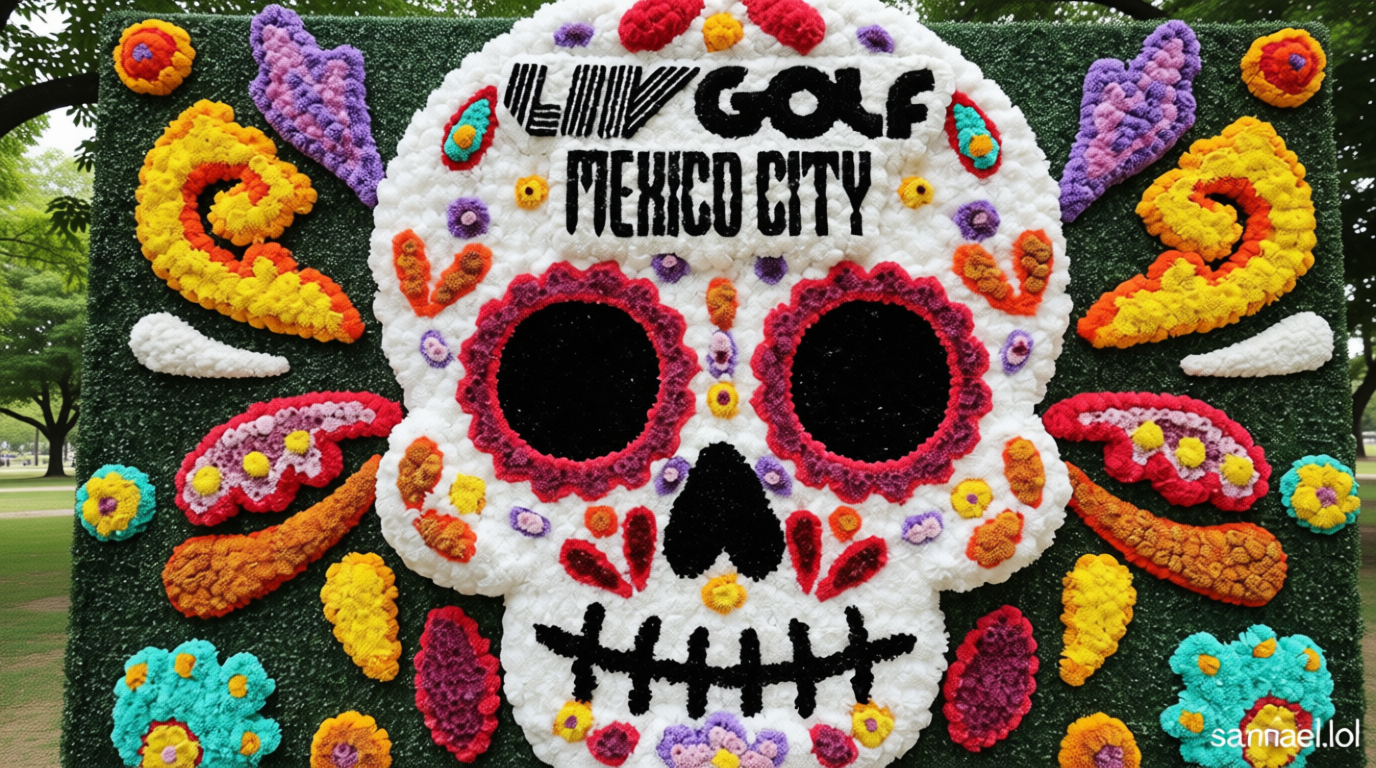
Samael.lol – The final LIV Golf tournament took place in Mexico, with Jon Rahm emerging as the champion. This event marked a pivotal moment for the breakaway golf series, which had been a bold symbol of Saudi Arabia’s ambitions to reshape global sports. However, the decision by the country’s sovereign wealth fund to cut financial ties with the tour at the end of the season has cast uncertainty over its future. The move has sparked debates about whether the broader sports investments of Saudi Arabia are also beginning to falter. Over the past decade, the kingdom has poured tens of billions of pounds into establishing itself as a dominant force in international sports, from hosting high-profile boxing matches and Formula 1 races to investing in tennis, horse racing, and even the Premier League. Its upcoming role as the host of the 2034 men’s FIFA World Cup has been central to this vision. Now, with the Public Investment Fund (PIF) stepping back from LIV Golf, questions loom over whether this marks the start of a decline in the nation’s sports ambitions.
The PIF’s Strategic Withdrawal
Saudi Arabia’s sovereign wealth fund, the PIF, made its announcement in a brief statement, emphasizing that it would continue to prioritize capital deployment in line with its long-term investment strategy. The final sentence of the release, in particular, underscored the country’s enduring commitment to the world of sports: “PIF remains committed to deploying capital internationally in line with its investment strategy, including its substantial current and future investments in various sports as a priority sector.” This reassurance came after weeks of speculation about the PIF’s funding of LIV Golf, which had become a flashpoint for critics questioning the sustainability of Saudi Arabia’s sports spending.
Until recently, the PIF’s support for LIV Golf seemed inevitable. The golf tour had been presented as a cornerstone of the kingdom’s plan to modernize its image and diversify its economy through Vision 2030. Yet, with the PIF’s exit, the financial foundation of LIV Golf has shaken. The tour, which launched in 2022, has accumulated billions in losses, and its survival now hinges on its ability to adapt to the new priorities of its backers. The decision signals a shift toward more conservative investment practices, prioritizing returns over rapid expansion. As the PIF’s statement highlighted, the substantial sums required to sustain LIV Golf are no longer aligned with its current macroeconomic context.
The Broader Impact on Sports Investments
The PIF’s withdrawal from LIV Golf has rippled through other projects, raising concerns about the stability of Saudi Arabia’s sports portfolio. Earlier in the year, BBC Sport reported that the kingdom had begun re-evaluating its sports-related expenditures, with “everything in the PIF world under serious review.” This shift came amid a $73bn budget deficit in 2023, driven by increased spending on projects like the 2029 Asian Winter Games and the WTA Finals. However, the Winter Games were postponed indefinitely, and the tennis event’s hosting rights were reportedly withdrawn after a three-year agreement expired. These developments suggest a growing focus on financial prudence, even as the kingdom continues to pursue its sporting goals.
Previously, Saudi Arabia’s sports investments had been a source of both admiration and controversy. The country’s strategy of attracting global athletes—such as Cristiano Ronaldo to its revamped domestic league and acquiring a majority stake in Newcastle United—had been part of its broader effort to modernize and diversify. Critics argued that these efforts were part of a “sportswashing” campaign, designed to obscure human rights concerns. The 2018 killing of Jamal Khashoggi, a prominent Saudi journalist, had already damaged the kingdom’s international reputation, and its use of the death penalty remained a point of scrutiny. Despite these challenges, the PIF’s backing of sports had been a key component of its strategy to position Saudi Arabia as a global leader in entertainment and culture.
Now, the financial strain of recent years appears to be reshaping that narrative. The PIF’s new emphasis on “sustained value creation and maximizing long-term returns” has left many in the sports world wondering if the era of extravagant spending is ending. This sentiment was reinforced by the sale of Al-Hilal, a top-tier Saudi Pro League club, and the cancellation of the Saudi Arabia Snooker Masters, which was only two years into a 10-year partnership. Reports also suggest that the country may have abandoned its bid for the 2035 rugby union World Cup. These moves indicate a recalibration of priorities, with the PIF seeking to balance its sports ambitions against economic realities.
Global Ambitions and Local Challenges
Saudi Arabia’s bid to host the 2034 FIFA World Cup remains its most ambitious sports project to date. The tournament, set to take place in the kingdom, is expected to be a cornerstone of its efforts to boost tourism and showcase its global appeal. Yet, the PIF’s withdrawal from LIV Golf raises questions about whether the necessary resources will still be available for such large-scale events. With the World Cup just eight years away, the financial demands of preparation have intensified, and the PIF’s decision to prioritize sustainable investments could affect its ability to fund other projects.
The PIF’s shift also reflects broader economic pressures. The budget deficit, exacerbated by the kingdom’s reliance on oil revenues, has forced a reassessment of spending across all sectors. While Saudi Arabia’s vision of becoming a global sports hub remains intact, the pace of expansion may slow. The conflict in the Middle East, which has disrupted oil exports and increased defense costs, has further strained public finances. These factors have led to a more cautious approach, with the PIF seeking to ensure that its investments generate measurable returns.
Despite these challenges, the country’s influence on international sports is still evident. Its ability to secure major events, including the FIFA World Cup, underscores its growing clout. However, the recent reversals suggest that its approach is evolving. Where once it was willing to gamble on high-profile ventures, it now appears to be adopting a more measured strategy. This transition may affect not only the sports landscape but also the perception of Saudi Arabia’s commitment to its Vision 2030 goals.
Questions for the Future
As the PIF’s new strategy takes shape, the future of Saudi Arabia’s sports revolution remains uncertain. While the country continues to invest in key events and partnerships, the withdrawal from LIV Golf signals a possible pivot toward sustainability. The question now is whether this adjustment will strengthen or weaken the kingdom’s position in global sports. For athletes and organizations tied to LIV Golf, the decision is a blow, but it may also open doors for more stable, long-term ventures.
For the PIF, the move to cut ties with LIV Golf is a strategic calculation. By redirecting funds toward projects with clearer financial outcomes, it aims to solidify its reputation as a responsible investor. Yet, the broader implications for sports in the region are significant. The loss of such a high-profile venture could reduce the allure of Saudi Arabia as a destination for international athletes and events. At the same time, the kingdom’s continued hosting of the FIFA World Cup in 2034 provides a focal point for its ambitions, offering a chance to demonstrate resilience in the face of economic headwinds.
The PIF’s statement on its decision to withdraw from LIV Golf was clear: “The substantial investment required…is no longer consistent with the current phase of PIF’s investment strategy. This decision has been made in light of PIF’s investment priorities and current macro dynamics.” While the PIF remains dedicated to sports as a priority sector, its approach is now more focused on long-term value. This shift may redefine the landscape of international sports, with Saudi Arabia moving from a model of rapid expansion to one of calculated growth. Whether this marks the end of its sports revolution or the beginning of a more sustainable era remains to be seen.
“The substantial investment required…is no longer consistent with the current phase of PIF’s investment strategy. This decision has been made in light of PIF’s investment priorities and current macro dynamics.”
As the world watches Saudi Arabia’s evolving sports strategy, the stakes have never been higher. The kingdom’s ability to maintain its global influence will depend on its capacity to balance ambition with fiscal responsibility. The story of LIV Golf is a microcosm of this broader challenge, and its fate may offer insights into the future of the country’s sporting ambitions.