Why was Mudryk given ban in secret and what happens now?
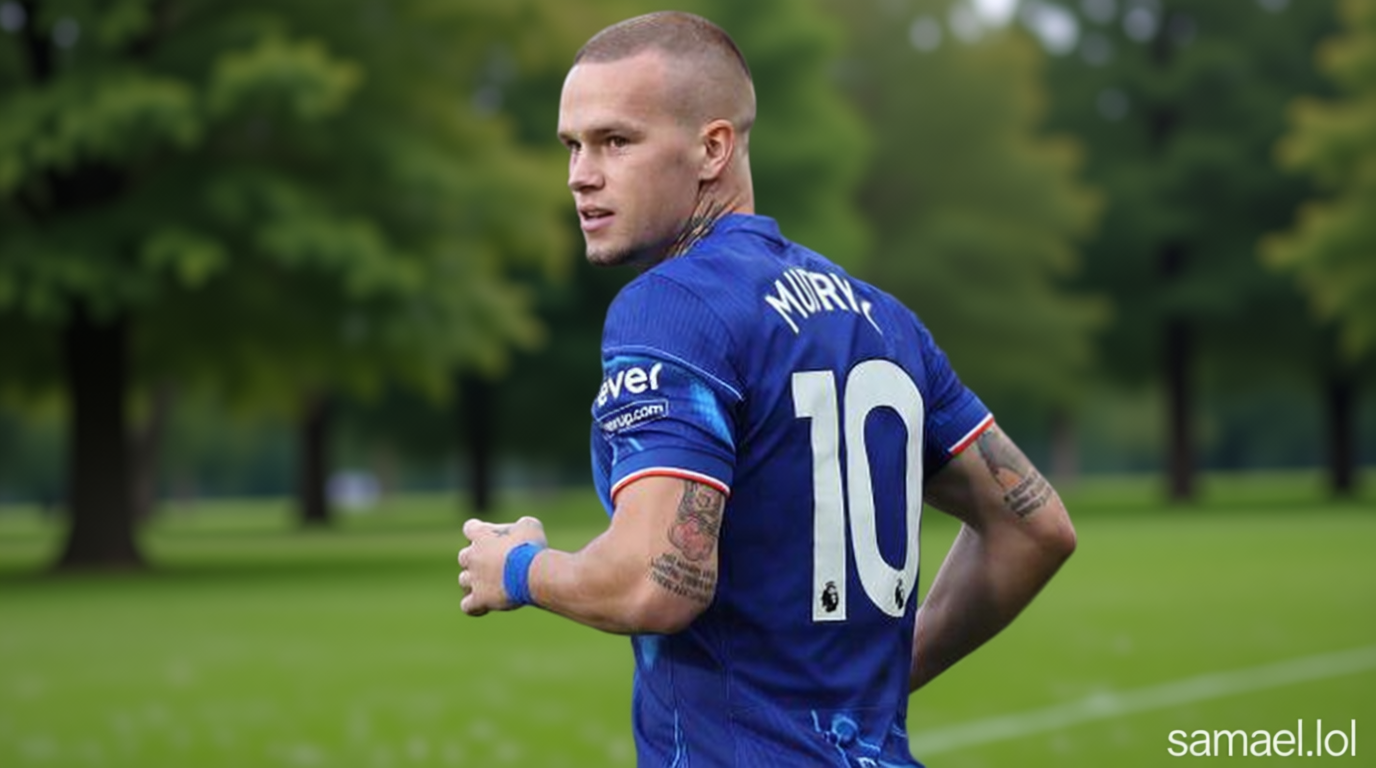
Samael.lol – Mykhailo Mudryk, the Ukraine international, has been absent from Chelsea’s playing squad since November 2024. The news of his four-year doping ban sparked confusion among fans, who initially questioned the decision. This was because the Football Association (FA) issued the ban without public announcement, revealing only an “adverse finding in a routine urine test” as the reason. The punishment remained undisclosed until the Court of Arbitation for Sport (Cas) confirmed Mudryk had chosen to challenge it. This secrecy has raised questions about the transparency of the FA’s anti-doping procedures.
The Hidden Process of the Doping Suspension
The FA’s decision to suspend Mudryk in January was known only to a select few within the club and his inner circle. This was due to the confidentiality of the anti-doping programme, which operates behind closed doors to protect the privacy of athletes. The programme, managed in partnership with UK Anti-Doping (Ukad), includes testing, data collection, and legal discussions without public exposure. While this approach is standard in many sports, its application in football has left fans puzzled.
Under the FA’s privacy policy, sensitive data from doping cases is processed confidentially. The rationale is to safeguard the integrity of the game and minimize the impact on players’ personal lives. Information may be shared with third parties such as Ukad, Wada, Uefa, Fifa, and relevant event organizers. However, the FA’s decision to withhold details about Mudryk’s case from the public has drawn criticism. The club’s suspension of the winger was provisional, meaning it could be revised during the appeals process.
“We will process sensitive personal data in carrying out processing. We do this for the purposes of eliminating doping in sport and protecting the integrity of the game,” the FA stated in its privacy policy. The document also mentions data may be shared with the police, World Anti-Doping Agency (Wada), and other international federations, but the exact circumstances of Mudryk’s case were not disclosed.
Meldonium: The Controversial Substance at the Center
Although the FA did not specify the prohibited substance, sources indicate it is meldonium, a cardiovascular medication banned by Wada since 2016. The drug is commonly used in Eastern European countries to treat heart-related conditions, including angina, heart failure, and coronary artery disease. Its potential to enhance stamina and respiratory capacity made it a target for athletes seeking performance advantages.
The use of meldonium gained attention after tests at the 2015 European Games in Baku revealed that 13 medallists were taking the substance. This discovery led to increased scrutiny of the drug, which has since been flagged as a doping agent. Mudryk’s case is notable because he was linked to the Ukraine national team, where meldonium is often prescribed. However, the FA’s role in the case was clear: it issued the provisional suspension, while the Ukrainian FA (UAF) was not directly involved.
“UAF officials cannot comment on this matter since the UAF is not a part of this case,” a spokesperson for the Ukrainian FA told BBC Sport in 2023. “The World Anti-Doping Agency (Wada) or the English FA didn’t send any request to the UAF. We are in close contact with Mudryk’s lawyers and provide them with all necessary information. We cannot comment further as a non-disclosure provision is in effect.”
The FA’s decision to keep Mudryk’s case confidential contrasts with practices in other sports. For example, in athletics, provisional bans for positive tests are typically made public immediately. This lack of transparency in football has sparked debate about whether players are being unfairly penalized without full disclosure.
The Legal Battle and Potential Outcomes
Mudryk’s suspension, which began 16 months prior to the CAS announcement, has left his career on hold. The winger, who joined Chelsea for £61m in 2022, remains contracted until 2031. His long-term deal was structured to allow the club to spread costs over multiple years, reducing financial pressure on its accounts. This means his ban could last until 2028 if upheld, but the outcome is uncertain.
When a player is provisionally suspended, the FA often waits until the appeal process is completed before making the case public. This delay is designed to prevent premature speculation and ensure all legal steps are finalized. In Mudryk’s instance, the suspension was imposed without prior public information, which has led to questions about the fairness of the process.
The Court of Arbitration for Sport (Cas) is now tasked with reviewing the case. If the four-year ban is confirmed, Mudryk would be ineligible to play for either Chelsea or Ukraine until late 2028. However, if Cas reduces the penalty, the winger could return to action within months. Sources close to Mudryk suggest he might be back on the pitch as early as the next season, depending on the arbitration’s decision.
The Broader Implications for Football’s Anti-Doping Strategy
Mudryk’s case highlights the growing complexity of football’s anti-doping policies. While the FA works with Ukad to enforce standards, the secrecy surrounding certain cases has raised concerns about accountability. The fact that a key player’s suspension was kept hidden until the Cas announcement underscores the need for clearer communication between governing bodies and the public.
Some analysts argue that this approach helps protect players from premature media backlash. However, others believe it creates an environment where doping violations are handled discreetly, potentially masking systemic issues. Mudryk’s suspension, which followed a routine urine test, adds to the narrative that even minor infractions can lead to severe consequences in football.
The case also brings attention to the role of meldonium in sports. Since its ban in 2016, the drug has been a recurring topic in doping discussions. Its detection in Maria Sharapova’s sample during the 2016 Wimbledon Championships demonstrated its popularity among athletes. Now, Mudryk’s case could further influence how the FA and Wada approach the medication in football.
As the appeal process unfolds, fans and analysts await clarity on whether the four-year ban is justified. The FA’s strict confidentiality measures may be seen as necessary for protecting players’ privacy, but they also risk obscuring the details of doping violations. For Mudryk, the outcome could determine his future in the sport, with implications for both Chelsea and the Ukraine national team.