No evidence of widespread fuel price-gouging, watchdog says
Competition watchdog reassures over UK fuel pricing
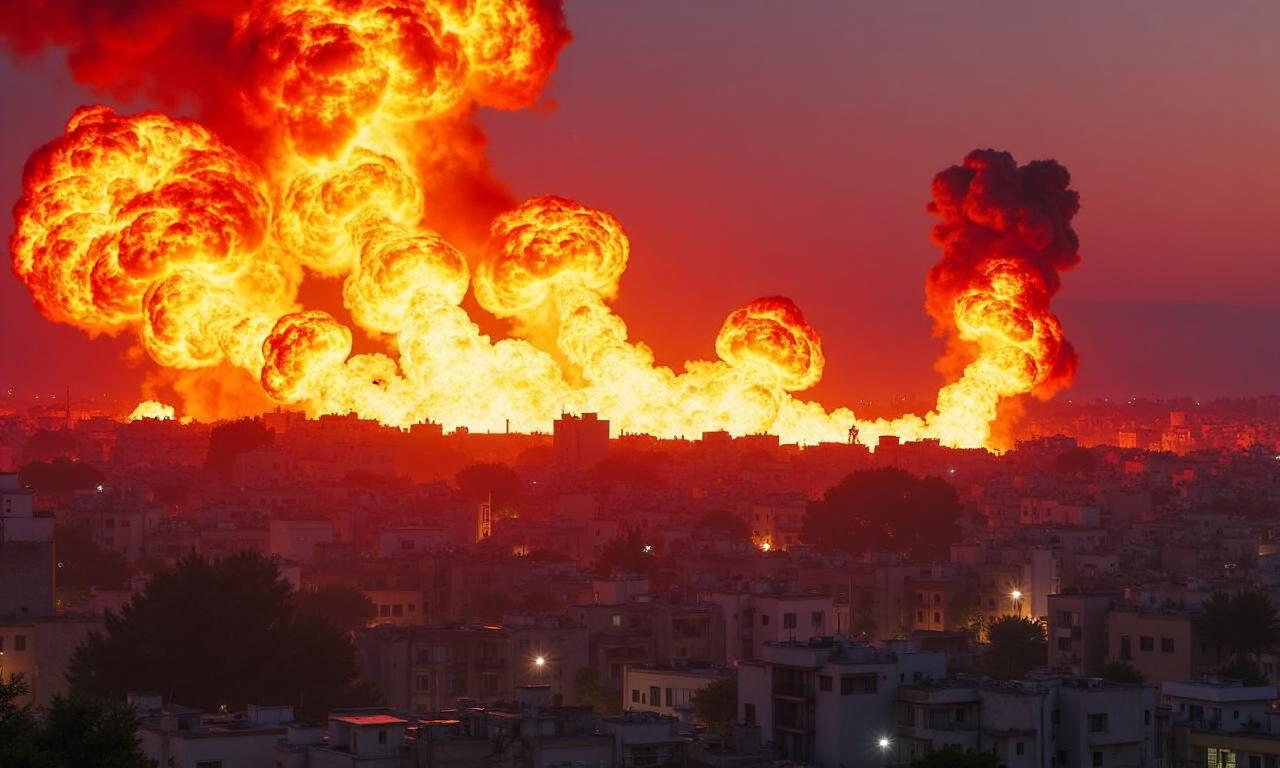
Samael.lol – The Competition and Markets Authority (CMA) has concluded that there is no substantial indication of price manipulation by UK fuel retailers following the US-Israel conflict with Iran. The watchdog stated that overall profit margins for fuel companies remained largely stable between February and March, despite initial concerns about potential exploitation of consumers during the heightened tensions. This assessment comes after the CMA intensified its scrutiny of petrol and diesel prices in March, citing the Middle East conflict as a catalyst for a sharp increase in wholesale fuel costs.
The CMA’s review was prompted by the significant rise in global oil prices, which were driven by the closure of the Strait of Hormuz. This critical maritime passage, through which about 20% of the world’s oil and liquefied natural gas (LNG) typically flows, has been under disruption for two months, contributing to a surge in energy market prices. Recent data shows that the price of Brent crude oil reached its highest level since 2022, peaking at more than $126 (£94) per barrel. This context has led to a reevaluation of how fuel companies are managing their pricing strategies.
Government prepared to intervene, retailers dispute claims
Prime Minister Sir Keir Starmer expressed readiness to address any unfair pricing practices by fuel providers during the early stages of the conflict, warning that the government would take action if companies were found to be “ripping off customers.” However, forecourt retailers swiftly countered these allegations, emphasizing that price-gouging was not a widespread phenomenon. They criticized the use of “inflammatory language” to describe their pricing behavior, arguing that the situation was more complex than the CMA’s initial statements suggested.
The CMA’s findings reveal that while there was no evidence of a broad-based price hike across the industry, certain retailers experienced an uptick in their profit margins. Specifically, two supermarket chains and three non-supermarket operators saw an increase in their margins during this period. Despite this, the watchdog maintains that these changes do not constitute systematic exploitation of consumers. Sarah Cardell, the CMA’s chief executive, acknowledged the need for further investigation, stating that the agency would provide more insights in May.
Historical context and market dynamics
The CMA highlighted that the current situation is part of a broader trend of elevated fuel margins, which have been at historically high levels for retailers. This reflects ongoing concerns about the competitiveness of the fuel retail market, with the regulator noting that the lack of significant price fluctuations may be linked to market consolidation. The rise in costs at the pump, the agency explained, is primarily due to external factors rather than deliberate pricing strategies by retailers.
Analysts point to global supply chain pressures as a key driver of the cost increases. The closure of the Strait of Hormuz has not only disrupted oil flows but also created uncertainty in the energy market, leading to a ripple effect on domestic fuel prices. While the CMA acknowledges these pressures, it emphasizes that its role is to monitor whether retailers are capitalizing on them unfairly. The watchdog is now closely tracking how quickly fuel prices respond to changes in wholesale costs, with a focus on identifying any patterns of asymmetric adjustment.
Examining pricing behavior and consumer feedback
Cardell reiterated that the CMA is actively investigating potential pricing anomalies, particularly in the context of the “rocket and feather” pricing model. This phenomenon, where prices rise rapidly during cost increases but fall slowly when prices drop, was previously observed after Russia’s invasion of Ukraine in 2022. The regulator is now assessing whether similar behavior is occurring in the current market, which could signal a lack of responsiveness from retailers.
Additionally, the CMA has expanded its scope to examine heating oil prices, following reports from consumers reliant on this fuel. These individuals have raised concerns about the consistency and fairness of pricing from retailers, prompting the watchdog to conduct a deeper analysis. Cardell emphasized that the CMA’s vigilance remains high, ensuring that any reductions in wholesale fuel costs are promptly reflected at the pump. This commitment to transparency is central to its role in maintaining fair competition within the sector.
Long-term implications and consumer impact
While the CMA’s latest findings offer some reassurance, the broader implications of the conflict’s effects on the fuel market are still being evaluated. The watchdog has noted that the current pricing dynamics are a direct result of the global energy crisis, with regional tensions exacerbating supply constraints. However, it remains cautious, acknowledging that the market’s structure may allow certain retailers to maintain higher margins without immediate evidence of exploitation.
Consumer advocates have called for continued monitoring, arguing that the closure of the Strait of Hormuz and the subsequent price spikes are temporary but could lead to long-term impacts if not addressed. The CMA’s focus on both petrol and heating oil prices underscores its determination to ensure that all fuel providers operate within fair parameters. By analyzing historical data and comparing it with current trends, the watchdog aims to provide a comprehensive picture of the market’s health.
The CMA’s report also serves as a reminder of the interconnected nature of global energy markets. With oil prices fluctuating due to geopolitical events and supply chain disruptions, the agency is tasked with balancing the need for stability with the obligation to protect consumers from undue financial strain. As the situation evolves, the watchdog will continue to gather evidence and make informed decisions about market regulation.
Conclusion and future steps
Cardell concluded that while the CMA has not found widespread price-gouging, it remains committed to uncovering any instances of unfair pricing. The agency’s upcoming report in May will provide a clearer understanding of the underlying factors influencing margins and pricing behavior. This development is significant for UK drivers, who have been grappling with rising fuel costs and the uncertainty of future price changes.
The CMA’s findings are not just a snapshot of the current market but also a basis for ongoing scrutiny. By maintaining a proactive approach, the regulator aims to ensure that the fuel retail sector operates transparently and competes effectively. This is particularly important in light of the persistent high margins and the potential for market forces to dictate pricing strategies. As the energy landscape continues to shift, the CMA’s role in safeguarding consumer interests will remain pivotal.