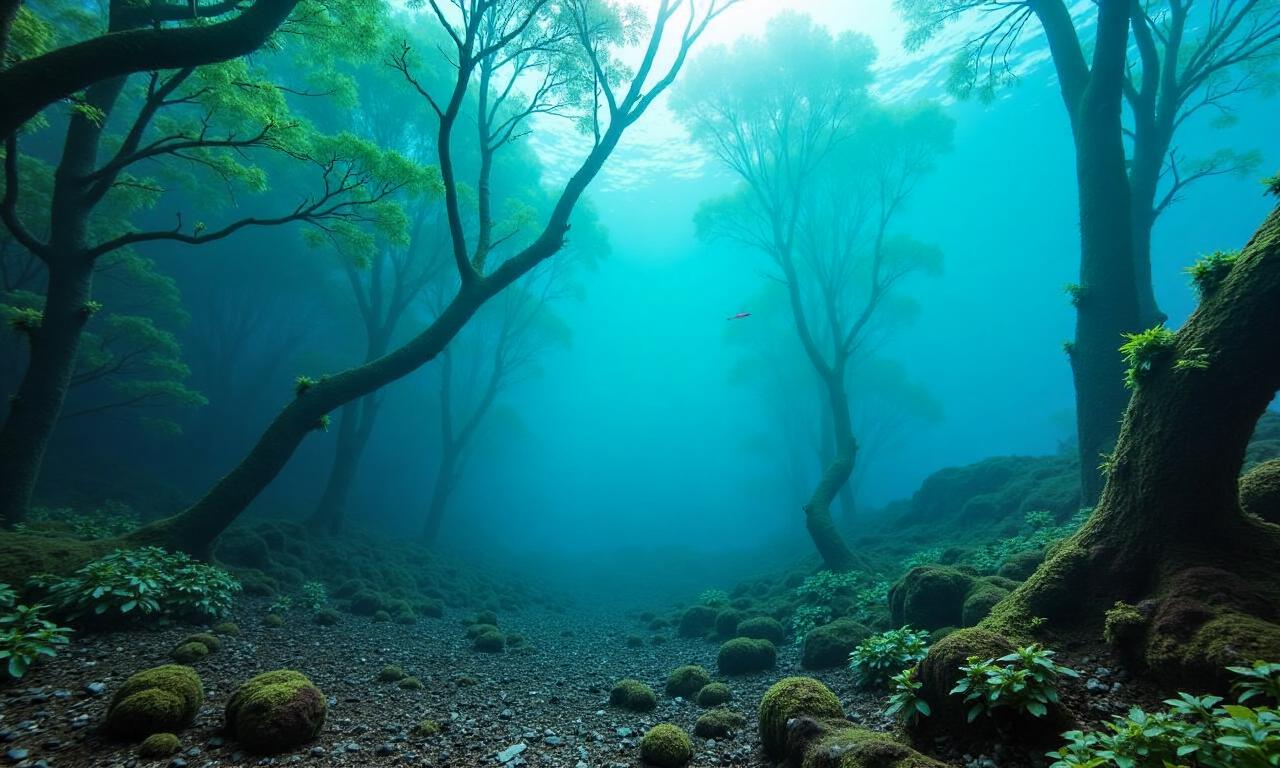
Sewage and Agricultural Pollution Having ‘Alarming’ Impact on UK’s Underwater Forests
The Hidden Threat to Coastal Ecosystems
Samael.lol – Recent studies have revealed that pollution from human activities is significantly harming the delicate balance of underwater ecosystems along the UK’s shores. This issue, driven primarily by excessive nutrients in waterways, is not only affecting the health of seagrass meadows but also disrupting the habitats of vital marine species. The research, led by scientists from Project Seagrass in collaboration with Swansea University, highlights how these nutrient-rich inputs are leading to noticeable declines in biodiversity within the submerged forests that thrive in shallow coastal zones.
Understanding Seagrass Meadows
Seagrass meadows, often referred to as underwater forests, are critical components of marine environments. These flowering plants form dense underwater landscapes in sheltered coastal areas, providing shelter, food, and breeding grounds for countless marine organisms. Their ecological importance extends beyond local habitats, as they play a key role in mitigating climate change by absorbing substantial amounts of carbon dioxide from the atmosphere. A single hectare of seagrass meadow can support up to 100 million invertebrates, making them essential for sustaining marine life and productivity.
Methodology and Findings
To assess the extent of nutrient-related damage, researchers evaluated 16 distinct coastal sites across the UK, each experiencing varying degrees of eutrophication. Eutrophication, the process by which water bodies become enriched with nutrients such as nitrogen and phosphorus, is often a consequence of sewage discharges, agricultural runoff, and industrial wastewater. The study demonstrated that these nutrient surges trigger the rapid growth of algae, which can suffocate seagrass beds by blocking sunlight and depleting oxygen levels. As a result, the populations of small invertebrates—such as crabs, shrimps, and snails—are drastically reduced, with species diversity also suffering.
Impacts on Marine Life
Dr. Benjamin Jones, a researcher from Project Seagrass, emphasized that while people typically focus on the visual effects of sewage pollution, the study reveals its broader implications for marine ecosystems. “It’s one of the first studies to connect nutrient inputs from land-based sources with the decline of life in these underwater forests,” he noted. The findings suggest that higher nitrogen levels in water correlate with a significant reduction in the number of organisms and their variety. In some cases, nitrogen concentrations have been linked to a near 90% drop in biodiversity per unit of habitat area. Similarly, increased phosphorus levels have proven particularly damaging to life in lagoon environments, which are crucial for coastal biodiversity.
Case Studies and Regional Concerns
The research identified specific regions where the effects of pollution are most severe. For instance, seagrass meadows in the Thames estuary near Essex and the Firth of Forth along Scotland’s east coast have experienced significant degradation due to algal blooms. In Wales, Skomer Island—a globally recognized wildlife refuge—also faced challenges, though researchers suggest that seabird droppings and human activities may contribute to the problem. Conversely, sites like the Isles of Scilly off Cornwall and the Orkney Islands, characterized by clear waters and minimal nutrient input, show much greater marine life diversity, underscoring the contrast between healthy and polluted environments.
Quotes from Researchers
“People don’t want to swim in seas polluted by sewage,” said Dr. Benjamin Jones. “But this study shows that the same nutrient inputs affecting water quality are also impacting the creatures that depend on these ecosystems. The message is clear: pollution from rivers and estuaries is not just a surface issue—it’s rippling through the entire marine food web.”
“We chose these areas to create a clear gradient of nutrient exposure,” explained Dr. Richard Unsworth of Swansea University. “The results were stark: higher nitrogen levels consistently correlated with fewer animals and less species richness. This means that even if we address some aspects of pollution, we still have to consider the cumulative effects on marine biodiversity.”
Broader Implications for Coastal Management
The findings have sparked renewed concerns about the interconnectedness of land and sea environments. Dr. Unsworth highlighted that the loss of biodiversity in seagrass meadows could have far-reaching consequences, including reduced food availability for fish and birds. “These meadows are the foundation of marine ecosystems,” he said. “If we don’t protect them, we risk undermining the productivity of our oceans and the livelihoods that depend on them.” The study also notes that the degradation of seagrass habitats has led to stricter regulations on coastal development and slurry management in agricultural areas, as governments seek to minimize further damage.
Call for Integrated Approaches
Dr. Jones stressed the importance of adopting a holistic perspective when addressing pollution. “There’s a lot of discussion about sewage treatment, but we need to look beyond the immediate problem and consider how agricultural practices and industrial discharges collectively affect coastal ecosystems,” he argued. He pointed out that the conversation between land-based and marine environments is rarely prioritized, despite their shared vulnerability. By integrating policies that address nutrient runoff from multiple sources, he believes the UK can safeguard its underwater forests and the marine life they support.
Global Relevance and Future Directions
The research, published in the Global Ecology and Conservation journal, has broader implications for marine conservation worldwide. Seagrass meadows are found in many coastal regions, and the patterns observed in the UK may apply to similar ecosystems elsewhere. The study underscores the urgent need for monitoring nutrient levels in rivers and estuaries and implementing measures to reduce their impact on marine habitats. As the UK continues to grapple with environmental challenges, the findings serve as a reminder that protecting these underwater forests requires coordinated efforts across different sectors and regions.