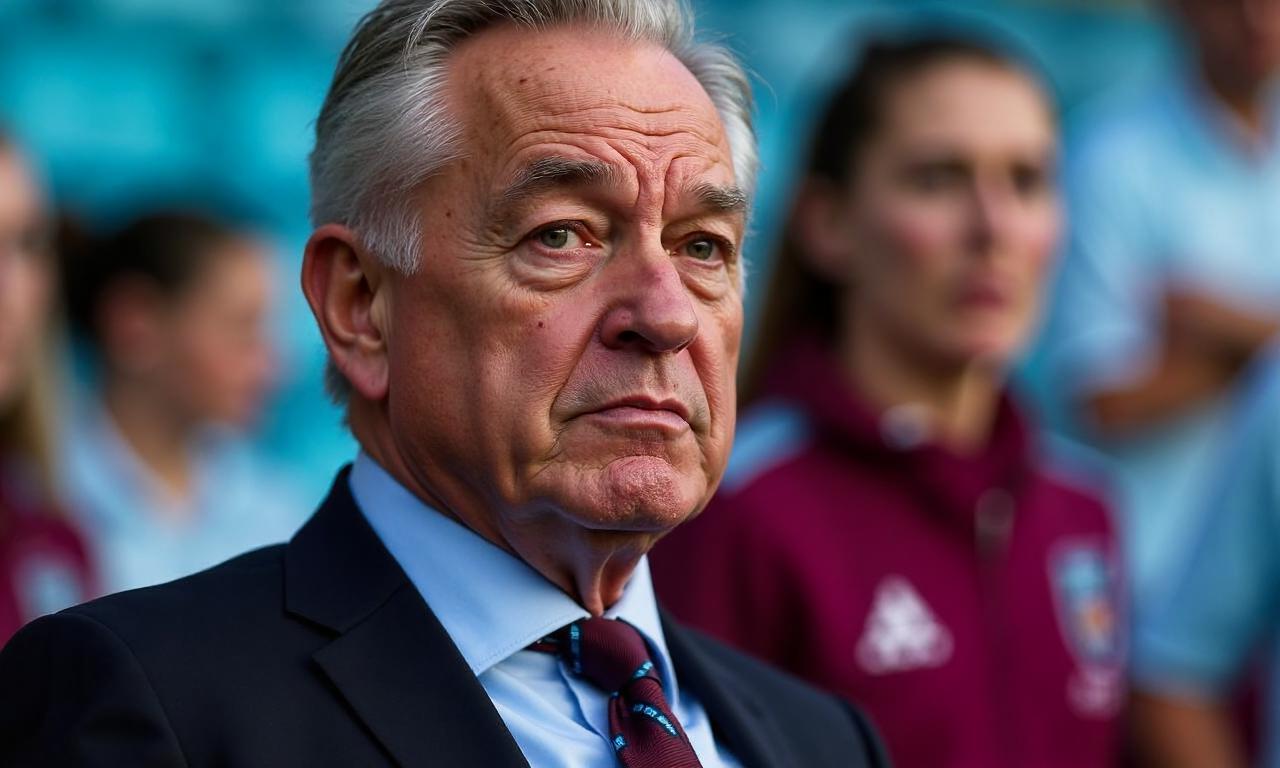
Kemi Badenoch apologises after Bloody Sunday footage used in video
Samael.lol – Conservative leader Kemi Badenoch has issued an apology following the use of Bloody Sunday footage in a video shared on her social media account. The incident occurred on Tuesday when a clip featuring soldiers entering the Bogside area of Londonderry on 30 January 1972 was posted online. The date, marked by the British Army’s fatal shooting of thirteen civilians during a civil rights demonstration, has been a flashpoint in Northern Ireland’s political history. The video, which opposed proposed changes to the Legacy Act, was quickly removed after the party became aware of its content, but not before it had circulated across multiple platforms.
Historical Context of Bloody Sunday
On 30 January 1972, soldiers from the British Army advanced into the Bogside neighborhood of Londonderry, firing on a group of unarmed civil rights marchers. The event, known as Bloody Sunday, led to the deaths of thirteen individuals, many of whom were teenagers. The footage in question, which depicted the soldiers’ actions, was mistakenly used in a recent video by the Conservative Party. Last year, a former paratrooper, referred to as Soldier F, was found not guilty of murder and attempted murder in connection with the incident, reigniting debates about historical accountability and the legacy of the Troubles.
Apology and Responsibility
Badenoch admitted fault during an interview with PA News on Saturday, stating she had not signed off on the video’s content. “I have apologised,” she said, explaining that the clip was released “in error.” The video was tied to a parliamentary vote on Labour’s proposed legislation, which seeks to amend the Legacy Act. The bill aims to address the treatment of elderly veterans by revisiting events from decades ago, often under the authority of political leaders who are no longer active. Badenoch emphasized that the video was created by younger members of the party who overlooked its connection to the 1972 tragedy.
“I have issued an apology. I did not sign off the video,” Badenoch said during the interview. “It was done by very young people who did not recognize the footage as being from Bloody Sunday.”
Party’s Response and Removal
The Conservative Party confirmed on Friday that it had removed the video “as soon as we were made aware of the footage.” A spokesperson told BBC News NI, “We apologise for the inclusion of this material, which should not have been used and will not be used again.” The video had appeared on several of the party’s social media platforms, including Badenoch’s X account, before its deletion. The party’s former leader, David Cameron, had previously apologised for the soldiers’ actions during the Troubles, a move that now seems to be echoed in this latest correction.
Reactions from Critics
Local MP Colum Eastwood expressed strong disapproval of the footage’s use, calling it “disgusting and disgraceful.” While he welcomed the party’s apology, he insisted that Badenoch should personally address the survivors and families of Bloody Sunday victims. “We welcome the apology, but it is essential that Badenoch personally express remorse to those affected by Bloody Sunday,” Eastwood stated. The incident underscored the sensitivity of the issue, with many fearing that the footage could reopen wounds for those who had long sought closure.
“It was about a vote in parliament where Labour are putting in legislation that is hounding the very elderly veterans for things that happened decades ago,” Badenoch added. “The video was done by very young people who did not recognise the footage as being from Bloody Sunday.”
Saville Inquiry and Legacy Act
The Legacy Act, which has been a source of controversy, was initially criticized for limiting inquests and civil actions related to Troubles-era incidents. In 2010, the Saville Inquiry concluded that none of the casualties on Bloody Sunday posed a threat or engaged in actions that justified their killing. Cameron, who was then Prime Minister, described