A Season of Resurgence
Samael.lol – Ipswich Town’s recent triumph over QPR marked a pivotal moment in their campaign, securing a return to the Premier League. This achievement comes after a season filled with triumphs, including a dominant performance against Norwich City in the East Anglian derbies. Fans have celebrated the club’s resurgence, which has been driven by a combination of strategic decisions and on-field success. Yet, the question remains: has Ipswich truly evolved to meet the challenges of the top flight, or is this another fleeting leap into the Premier League?
The Weight of Expectation
While the 2024 promotion is undoubtedly a major milestone, some argue it pales in comparison to the team’s prior ascent from League One just 12 months ago. The 2023 campaign was a test of resilience, as Ipswich narrowly avoided relegation from the Premier League after a dismal run of just one win in their final 19 matches. This season, however, has offered a different narrative—one of stability and progress. Kieran McKenna’s ability to recalibrate the team’s approach has been central to this shift, with his coaching acumen now being recognized across the Championship and even by European clubs.
Mark Ashton, the club’s chairman and CEO, has repeatedly highlighted McKenna’s value, stating that the Northern Irishman is “extremely sought after” by top-tier organizations. “Kieran’s a very special manager,” Ashton remarked in an interview with BBC Radio Suffolk. “He’s first-class at what he does, and I know the majority of the Premier League and Championship clubs are keen to have him.” Despite his admiration, Ashton acknowledged that football operates on cycles, and while he hopes McKenna will remain at Ipswich indefinitely, the need for adaptability persists.
A Coach in the Spotlight
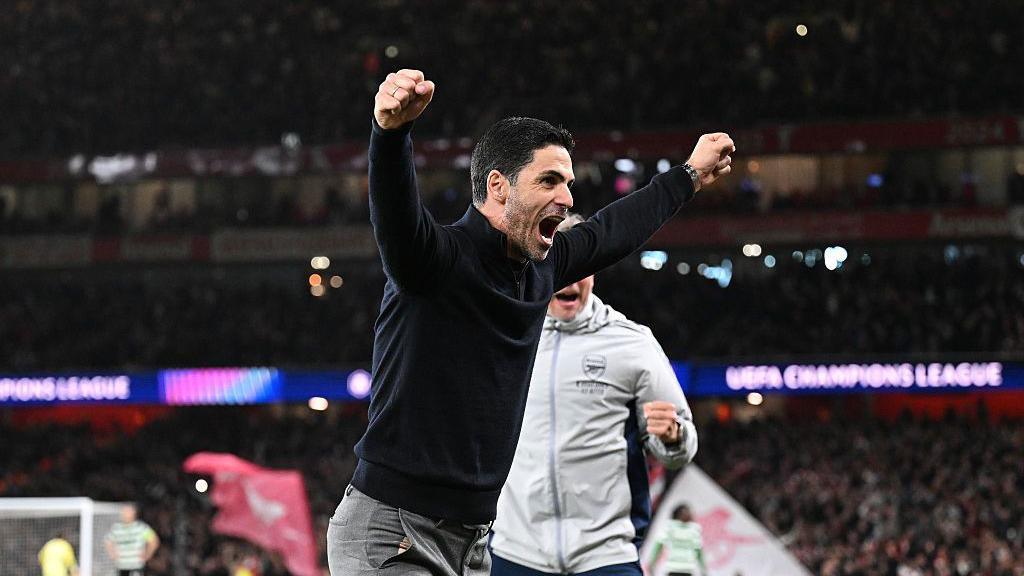
McKenna’s reputation has been bolstered by his ability to transform Ipswich into a competitive force. His work with the team has not only brought them back to the Premier League but also fostered a culture of unity. The recent 3-0 victory over QPR, which clinched second place in the Championship, exemplified this cohesion. Fans were visibly energized before and after the match, a testament to the club’s renewed spirit. Ashton emphasized that the relationships between management and coaching staff are vital, and in this case, the synergy between him and McKenna has been a driving force.
Though they don’t often socialize outside of work, Ashton and McKenna have maintained a strong partnership. “I try to give him his space to do what he needs to do,” Ashton explained. “But I’m there as a support mechanism, a challenge mechanism, and I ensure he has everything required to succeed.” This dynamic has created an environment where mutual respect and clear communication thrive, allowing the coach to implement his vision without unnecessary interference.
The Evolution of the Squad
The Ipswich squad has undergone significant changes since their League One promotion. While the 2024 team’s foundation was built on the talents of players who had previously been part of the side that climbed from League One in 2023, the club has since reinforced its roster. Last summer, 11 new signings were made, including the high-profile acquisition of Marcelino Nunez from Norwich City for £10 million. This influx of talent, supported by Premier League parachute payments, has reshaped the team’s identity.
However, the transition hasn’t been seamless. The new-look squad struggled initially, failing to secure a single league win in their first four games of the season. This period of adjustment saw further additions in January, with players like Anis Mehmeti and Dan Neil joining the fold. Despite these changes, the 2024 team’s achievements—96 points, 28 victories, and a goals tally of 92—set a high bar. The current squad, while less dominant, has shown signs of growth, particularly in their ability to navigate a grueling schedule with resilience.
McKenna himself acknowledged the challenges of the season. “The players have grown over the course of the year,” he said. “You look at this last run—we had eight games in 26 days, three away games back-to-back. There have been a lot of tests, and they stuck at it.” This development is a critical step in preparing for the Premier League, as the ability to maintain performance under pressure will be essential in the top tier.
Learning from the Past
McKenna’s experience in the Premier League has provided valuable lessons. During his third full campaign as a head coach, he has faced scrutiny over his loyalty to players from previous campaigns. For instance, the starting XI for Ipswich’s 2024-25 opener against Liverpool included six players who had started their final League One game against Fleetwood Town just 15 months prior: Christian Walton, Luke Woolfenden, Leif Davis, Massimo Luongo, Wes Burns, and Conor Chaplin. Walton, Davis, and Burns remain key figures in the current squad, along with George Hirst, who played a pivotal role in the 2-2 draw at Fleetwood.
McKenna’s strategy this season has been to balance continuity with innovation. By retaining core players while bringing in fresh talent, he has created a squad that is both familiar and dynamic. This approach has allowed the team to build on past successes while adapting to the demands of the Championship. The previous season’s struggles, marked by a lack of depth and consistency, have been addressed through targeted signings and improved squad management.
The Road Ahead
Ashton’s urgency to push forward is evident, and he has already initiated discussions with McKenna about next season’s plans. “We’re aiming to move forwards again at pace,” the chairman stated. This mindset reflects a broader ambition to sustain progress in the Premier League. While the 2024 campaign was a success, the Championship’s increased competitiveness this year has made it harder to replicate those numbers. Nonetheless, Ipswich’s ability to adapt and overcome challenges suggests they are better prepared for the next stage of their journey.
With the Premier League now within reach, Ipswich’s focus will shift to maintaining their momentum. The team’s evolution—from a squad that narrowly escaped relegation to one that is now a consistent contender in the Championship—demonstrates their readiness. As Ashton and McKenna continue to work in tandem, the club’s future looks promising. Whether Ipswich can translate this success into sustained Premier League performance remains to be seen, but their current trajectory signals a strong foundation for the challenge ahead.
A Unified Vision
Ashton’s belief in the importance of unity is central to Ipswich’s approach. He has often emphasized that “when this club really comes together as one, it’s an unstoppable force.” This philosophy is evident in the team’s collective efforts, which have been crucial in overcoming obstacles. The synergy between the board and coaching staff has created an environment where decisions are made with clarity and purpose, ensuring that all parties are aligned in their goals.
McKenna’s ability to manage this relationship is a key factor in the club’s success. By granting him the autonomy to shape the team’s identity, Ashton has allowed the coach to implement his strategies without constraint. This balance between support and accountability has fostered a culture of high standards and mutual respect. As the club moves forward, this partnership will be instrumental in navigating the complexities of the Premier League.
Ultimately, Ipswich’s journey this season has been a blend of past lessons and future ambitions. While their 2024 promotion is a significant achievement, the current campaign has shown that they are not merely reacting to circumstances but actively building for the next challenge. The combination of a proven coach, a united leadership, and a growing squad positions Ipswich as a formidable contender in the Premier League. Whether they can sustain this momentum will depend on their ability to continue evolving and adapting—a process that has already begun.