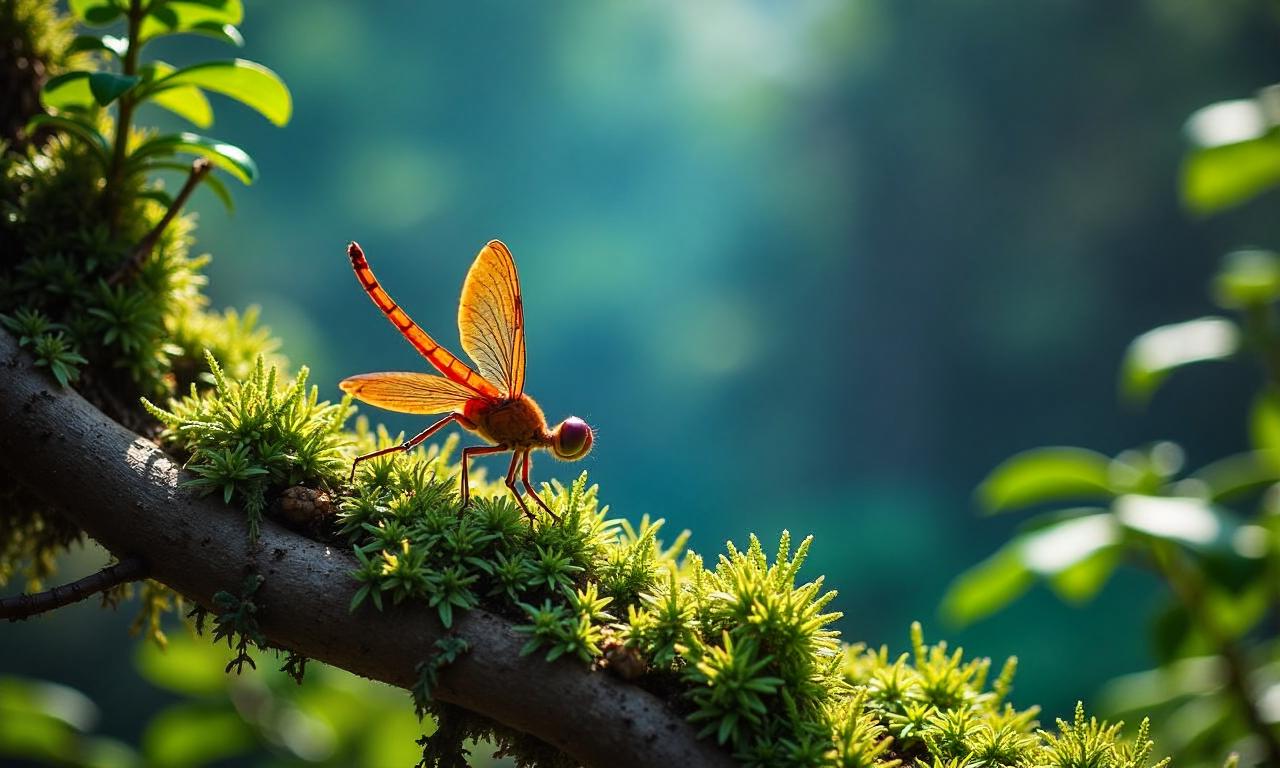
Dragonflies in distress: Scientists sound alarm in India’s ecological hotspot
Samael.lol – In a recent investigation, researchers uncovered a concerning trend among dragonfly and damselfly populations in the Western Ghats, one of Earth’s most significant biodiversity hotspots. This groundbreaking study, spanning two years (2021-2023) and conducted across five Indian states, identified 143 species in the region. Of these, at least 40 are endemic, meaning they are exclusive to the area and not found elsewhere. However, the data also pointed to a troubling 35% reduction in species diversity, with 79 previously reported types now seemingly absent.
Monitoring a Critical Ecosystem
Pankaj Koparde, an evolutionary ecologist leading the research, explains that some species may have become extremely rare or seasonal, making them difficult to detect. Still, the possibility of extinction looms large. “When dragonfly and damselfly numbers drop, it could signal the potential degradation of an ecosystem,” Koparde notes. These insects, known for their delicate wings and swift movements, act as vital indicators of environmental health. Their decline may reflect broader ecological disruptions, such as habitat loss or pollution.
The Western Ghats, a UNESCO World Heritage Site, is a 1,600km-long mountain range along India’s western coastline. It serves as a sanctuary for over 325 globally threatened species, representing more than 30% of the country’s plant and animal life. The region’s rich endemic biodiversity is a result of its unique geological history and climatic conditions. Yet, despite its ecological importance, the area faces mounting challenges.
Threats to the Region’s Flora and Fauna
According to the International Union for Conservation of Nature’s 2025 report, the Western Ghats is under “significant concern.” The assessment highlights urban expansion, agricultural encroachment, livestock grazing, infrastructure projects like windmills and dams, invasive species, and mining as key threats. These activities have disrupted the delicate balance of the region’s ecosystems.
Recent studies underscore the urgency of these issues. A 2025 analysis revealed that a rare galaxy frog population vanished from the Western Ghats after photographers damaged their forest floor habitats. Similarly, a 2024 report linked farming practices to declines in frog species. Earlier, a 2023 bird survey noted a 75% drop in 12 species native to the area. These findings collectively paint a picture of biodiversity under siege.
Unveiling New Discoveries
Koparde and his team, however, found silver linings amid the challenges. Their fieldwork in remote and rugged terrains—such as moss-covered riverbanks and mangrove swamps—led to the discovery of seven new dragonfly and damselfly species. One of these, named protosticta armageddonia, pays homage to the concept of “ecological armageddon,” a term describing the global crisis of insect population decline.
The research team’s efforts required meticulous planning. They ventured into inaccessible areas early in the morning, dedicating hours to spotting, identifying, and collecting specimens. This detailed process revealed not only the diversity within the region but also the vulnerability of its inhabitants. Koparde emphasizes the need for continued monitoring, stating that dragonfly and damselfly populations had previously lacked comprehensive documentation.
Evolutionary Insights from the Landscape
The Western Ghats’ ancient origins contribute to its remarkable biodiversity. Formed during the Jurassic Period when the supercontinent Gondwana broke apart, the region’s mountain range emerged as India drifted away from Africa. Fractures along its western edge triggered tectonic activity that shaped the landscape over millions of years. “The Western Ghats are about 150 million years old, older than the Himalayas,” Koparde explains. “This long history has allowed species to evolve in isolation, creating a unique biological legacy.”
By studying the evolutionary biology of dragonflies and damselflies in this region, Koparde and his colleagues aim to unravel the genetic and ecological connections that define these species. The creation of a genetic library for all documented types is part of this effort, enabling scientists to trace their origins and understand how they adapted to the region’s specific conditions. This work could provide crucial insights into the broader implications of biodiversity loss.
While the study focuses on dragonflies and damselflies, it aligns with a growing body of research on the Western Ghats. The area’s fragility makes it a key barometer for environmental change. As Koparde points out, the disappearance of even a single species can ripple through the ecosystem, affecting pollination, climate regulation, and food chains. The current decline in dragonfly and damselfly numbers suggests that the region may be facing a cascade of ecological impacts.
Despite the challenges, Koparde remains optimistic about the potential for conservation. “Understanding the evolutionary history of these species can inform strategies to protect them,” he says. The genetic library project, for instance, could help identify critical habitats or track genetic diversity, which is essential for species resilience. By combining field data with genetic analysis, the team hopes to provide a more complete picture of the Western Ghats’ ecological health.
For Koparde, the study is more than a scientific endeavor—it is a call to action. The Western Ghats, with its rich endemic species and ancient landscapes, is a natural treasure that demands protection. As urbanization and industrial activity continue to expand, the survival of these delicate ecosystems hinges on the dedication of researchers and conservationists. The decline in dragonfly and damselfly populations serves as a stark reminder of the urgent need to safeguard biodiversity before irreversible damage occurs.
A Call for Awareness and Action
Koparde’s work highlights the importance of documenting and preserving India’s natural heritage. The Western Ghats, with its unique biodiversity and geological significance, is a microcosm of the planet’s ecological challenges. The loss of species in this region is not just a local issue but a global one, as it reflects the broader threats facing ecosystems worldwide. By raising awareness and fostering collaboration, scientists hope to mitigate these impacts and ensure the survival of the region’s irreplaceable biodiversity.
Follow BBC News India on Instagram, YouTube, X and Facebook.