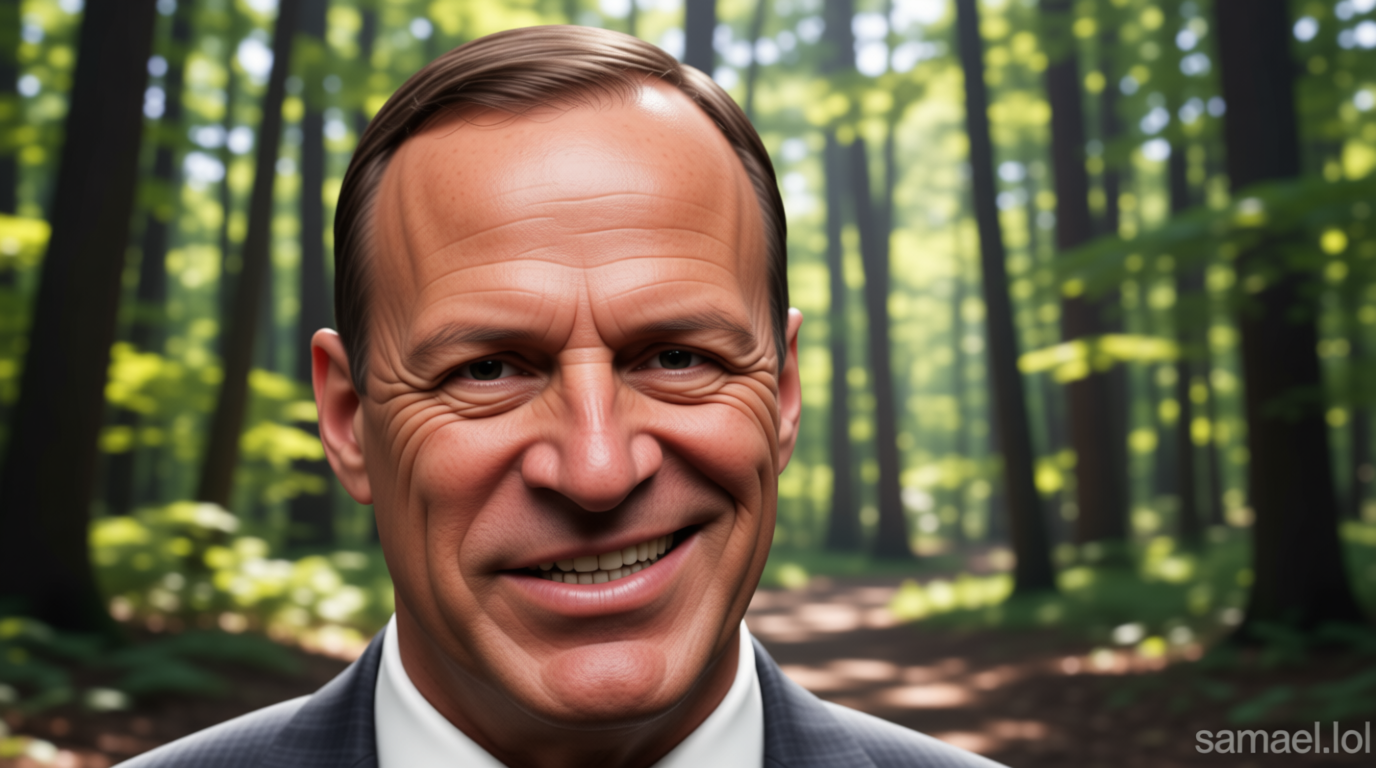
Rudy Giuliani in Critical Condition Following Hospitalization
Samael.lol – Rudy Giuliani, the former mayor of New York City and a long-standing supporter of President Donald Trump, is currently receiving medical treatment in a hospital. According to his spokesperson, Ted Goodman, Giuliani’s condition is described as “stable but critical,” a statement shared via a social media post on Sunday. The announcement came shortly after Goodman’s initial message, during which Trump took to social media to express his concern about Giuliani’s health. Trump’s post highlighted Giuliani’s resilience, calling him a “True Warrior” and emphasizing his status as “the Best Mayor in the History of New York City, BY FAR.” The former president also reiterated Giuliani’s role in defending the 2020 election results, accusing his opponent, former President Joe Biden, of attempting to manipulate the electoral process.
Giuliani’s Injuries and Medical History
Giuliani’s recent hospitalization follows a car accident that occurred late last year, which left him with serious injuries. His security detail confirmed that he sustained a fractured thoracic vertebra, multiple lacerations, and contusions, along with damage to his left arm and lower leg. The incident took place in New Hampshire, where Giuliani was a passenger in a Ford Bronco that was struck from behind. Despite the severity of his injuries, his condition has been stable since the accident, though recent developments have placed him in a more critical state. Goodman’s social media post urged the public to pray for Giuliani, stating, “Mayor Giuliani is a fighter who has faced every challenge in his life with unwavering strength, and he’s fighting with that same level of strength as we speak.” This sentiment was echoed by Trump, who emphasized Giuliani’s perseverance in the face of adversity.
Political Legacy and Election Controversies
Giuliani’s political career has been marked by his leadership during the aftermath of the September 11 attacks, a period that earned him the moniker “America’s Mayor.” His tenure as mayor of New York City, which spanned from 1994 to 2002, was characterized by efforts to revitalize the city’s economy and improve public safety. However, in recent years, Giuliani has become a prominent figure in the political landscape, particularly in his support for Donald Trump. Following the 2020 presidential election, Giuliani and other Trump allies embarked on a nationwide campaign to challenge the results, alleging widespread voter fraud and making allegations against Biden. These efforts included public statements, legal actions, and media appearances, all aimed at disputing the legitimacy of the election outcome.
The controversies surrounding the 2020 election have had significant legal repercussions for Giuliani. A jury recently ruled against him in a defamation case, ordering him to pay two election workers $148 million in compensation for false claims of ballot fraud. The workers, who were accused of manipulating the vote count in key states, became the subjects of Giuliani’s public criticism during the post-election period. Despite the legal setbacks, Giuliani has continued to assert his belief in the validity of the election results, a stance that has been central to his political narrative. His actions have drawn both praise and criticism, with supporters lauding his determination and opponents condemning his rhetoric as inflammatory.
Public Statements and Continued Advocacy
Giuliani’s spokesperson, Ted Goodman, has been instrumental in communicating updates about his health. In addition to the initial statement about his critical condition, Goodman later appealed for public support, asking followers to “join us in prayer for America’s Mayor Rudy Giuliani.” This appeal underscored the symbolic significance Giuliani holds for his allies, who view him as a steadfast leader and advocate. Trump’s social media post further amplified this narrative, framing Giuliani as a victim of “Radical Left Lunatics” who had allegedly targeted him during the election disputes.
The current hospitalization has reignited discussions about Giuliani’s health and his ongoing political activities. While the exact nature of his injuries and the medical complications he faces remain unspecified, the combination of past trauma and recent health challenges has raised questions about his ability to continue his public engagements. Giuliani’s supporters have been quick to respond, emphasizing his resolve and the importance of his role in the political movement. Meanwhile, critics have pointed to the timing of his hospitalization, suggesting it may highlight the physical toll of his recent efforts to contest the election results.
Context and Impact of Giuliani’s Legal Struggles
Giuliani’s legal battles have extended beyond his role in the 2020 election. The $148 million defamation verdict, which was awarded to the two election workers, represents a major financial burden for him. This ruling has not only affected his personal finances but also served as a public reminder of the legal risks associated with his claims. The case, which was filed in a federal court, highlighted the intersection of political advocacy and legal accountability, with Giuliani’s statements being scrutinized for their accuracy and intent. Despite the ruling, Giuliani has remained active in political discourse, continuing to make public appearances and speak out on issues related to election integrity.
The incident in New Hampshire, where Giuliani sustained his initial injuries, occurred months before his recent hospitalization. At the time, his team described the accident as a minor setback, noting that he had made a full recovery. However, the recurrence of health issues has prompted renewed interest in Giuliani’s medical history. His previous injuries, including the fractured vertebrae, have been cited as a potential factor in his current condition, though no official details have been provided. The timeline of events suggests that Giuliani’s health may have been a recurring topic of discussion, especially as his political activities intensified in the lead-up to the 2020 election and beyond.
Giuliani’s advocacy for Trump has been a defining aspect of his public persona since the 2016 presidential campaign. His role as a key strategist and media presence has solidified his influence in the Republican Party. The recent hospitalization has added a new chapter to his political journey, with his supporters framing it as a testament to his enduring strength. Meanwhile, the broader implications of his critical condition have sparked conversations about the intersection of personal health and political legacy, particularly in an era where public figures often face heightened scrutiny. As Giuliani continues his recovery, his actions will likely remain a focal point for those who see him as a symbol of resilience and a key figure in the ongoing political discourse.
“Mayor Giuliani is a fighter who has faced every challenge in his life with unwavering strength, and he’s fighting with that same level of strength as we speak,” said Ted Goodman in a social media post. The statement was accompanied by a request for the public to “join us in prayer for America’s Mayor Rudy Giuliani,” reflecting the emotional weight of the situation and the symbolic importance Giuliani holds for his allies.
With his age now approaching 82, Giuliani’s recent hospitalization has also drawn attention to his physical limitations. The former mayor’s health has been a topic of discussion in both political and personal contexts, as his advocacy efforts have continued despite his advancing years. His ability to remain active in the political arena, even while dealing with medical challenges, underscores his determination. However, it also raises questions about the sustainability of his public engagements and the potential impact of his health on future political roles. As the situation evolves, the public will likely remain closely watching for updates on Giuliani’s condition and the broader implications for his political influence.