Iran hits Israel after Trump says US will end war ‘soon’
Samael.lol – On April 1, 2026, an Iranian missile strike wounded 14 individuals in Israel’s central region, while Israeli forces targeted Beirut, resulting in seven fatalities. These attacks occurred as President Donald Trump announced the possibility of the United States concluding its military campaign within the next two to three weeks. DW provides further details.
Iran’s Foreign Minister Denies Negotiations
Abbas Araghchi, Iran’s Foreign Minister, stated that no formal talks were underway with the U.S. and that Tehran had not yet responded to a 15-point proposal from Washington to halt hostilities. “We receive messages from the American side, some direct and others through regional allies,” he explained in an interview with Al Jazeera. “Whenever necessary, we respond to these messages,” Araghchi added, clarifying that exchanges were limited to “security agency communications,” not full negotiations.
“There are no grounds for negotiations,” Araghchi said, noting that some messages had been exchanged directly with U.S. special envoy Steve Witkoff. He dismissed the idea of ongoing talks with any party in Iran, stating, “All messages are conveyed through the Foreign Ministry or received by it.”
Diplomatic Efforts and Counterproposals
Recent diplomatic initiatives to end the conflict involved Turkey, Egypt, and Pakistan. The U.S. had previously delivered a 15-point ceasefire plan to Tehran via Pakistan. Iranian media reported that Tehran proposed a five-point counteroffer, demanding an end to what it called the U.S.-Israel “aggression” and assurances against future attacks. However, Araghchi confirmed that Tehran had not accepted the U.S. proposal and had not “submitted any conditions.”
Cluster Bombs and International Agreements
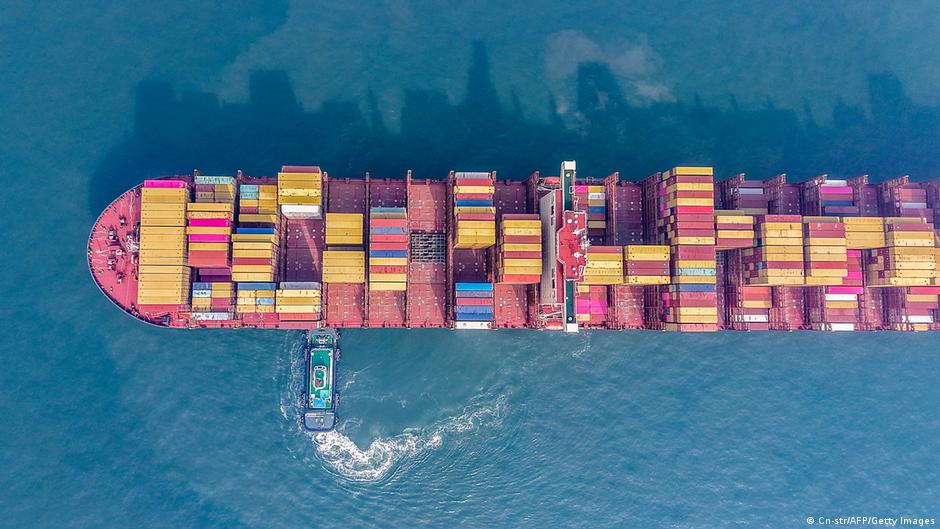
Israeli military sources noted that cluster bombs were used in the recent attack on central Israel, a tactic both nations have accused each other of employing. Over 100 countries ratified the 2008 Convention on Cluster Munitions, which bans the use and production of such weapons, but neither Iran nor Israel is a signatory. The conflict also extends to the strategic Strait of Hormuz, where Iran asserts control over global shipping routes.
Israeli Strikes on Tehran
Israel’s military claimed it conducted strikes on Tehran, targeting infrastructure linked to Iran’s “terror regime.” “The IDF completed a wide-scale attack on Tehran’s infrastructure sites,” the Israeli Defense Forces (IDF) stated in a Telegram message. Iranian state television reported explosions in the city’s northern, eastern, and central areas, though the extent of damage was unclear. The IDF also noted intercepting missiles launched from Iran toward Israeli territory, marking the first such strikes in 20 hours.
Beirut Casualties and Response
Lebanese Health Ministry officials reported seven deaths in Israeli strikes on Beirut. A bombing in south Beirut’s Jnah district killed at least five people and injured 21, while another strike in Khaldeh, near the capital, claimed two lives and wounded three. Emergency services confirmed the wounding of 14 individuals, including an 11-year-old girl with severe shrapnel injuries, in the latest Iranian missile attack.
To view the related video, ensure JavaScript is enabled and consider using a browser that supports HTML5 video. Another video is also available for further analysis of the situation.