The AI Fitness Instructors Selling Unreal Gains
Samael.lol – Across social media platforms, users have encountered videos featuring AI-generated fitness experts who promise rapid body transformations. These clips often showcase sculpted physiques, striking before-and-after visuals, and claims that simple routines can reverse aging or shed significant weight in short periods. Yet, many of these results appear too good to be true, and in reality, they frequently are. A BBC investigation revealed that some ads using AI characters violate UK advertising standards by failing to disclose that the individuals in the videos are not real.
Examples of Misleading Content
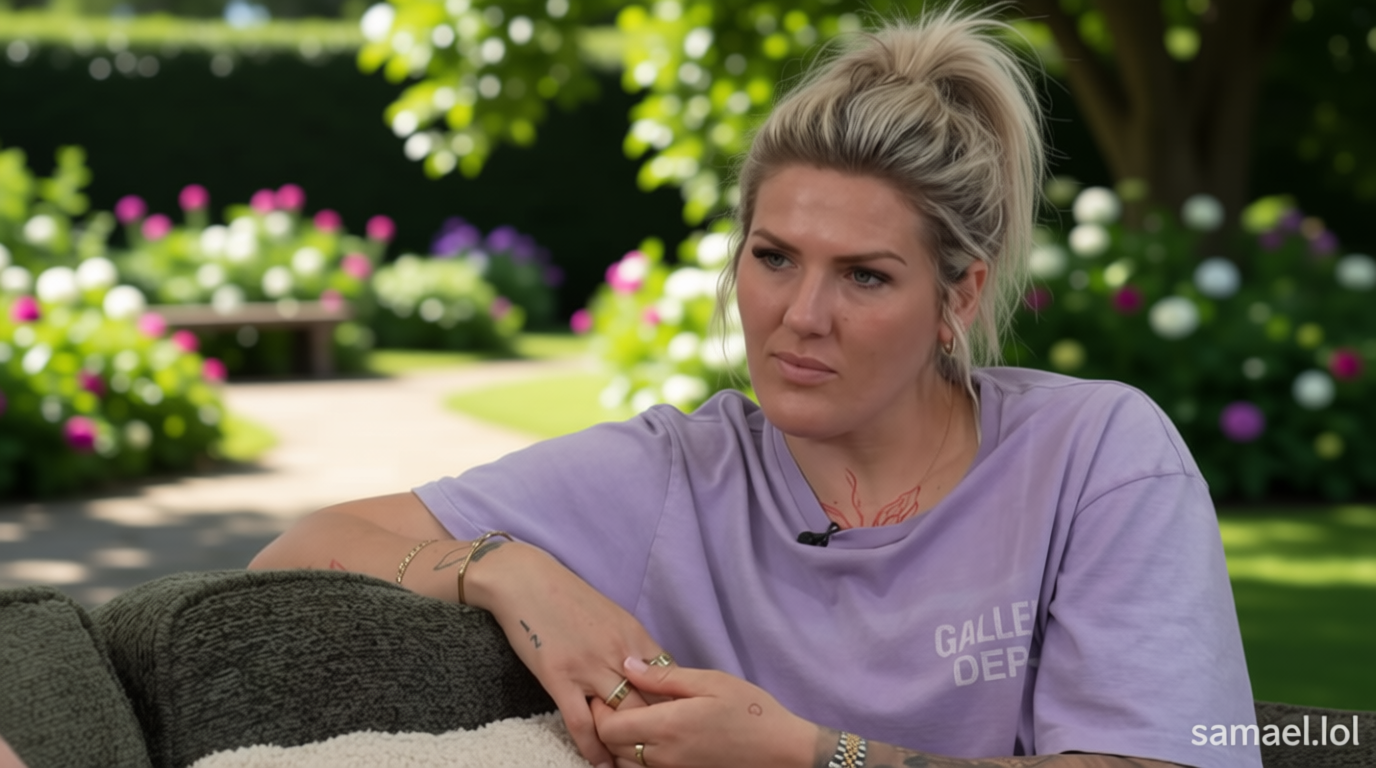
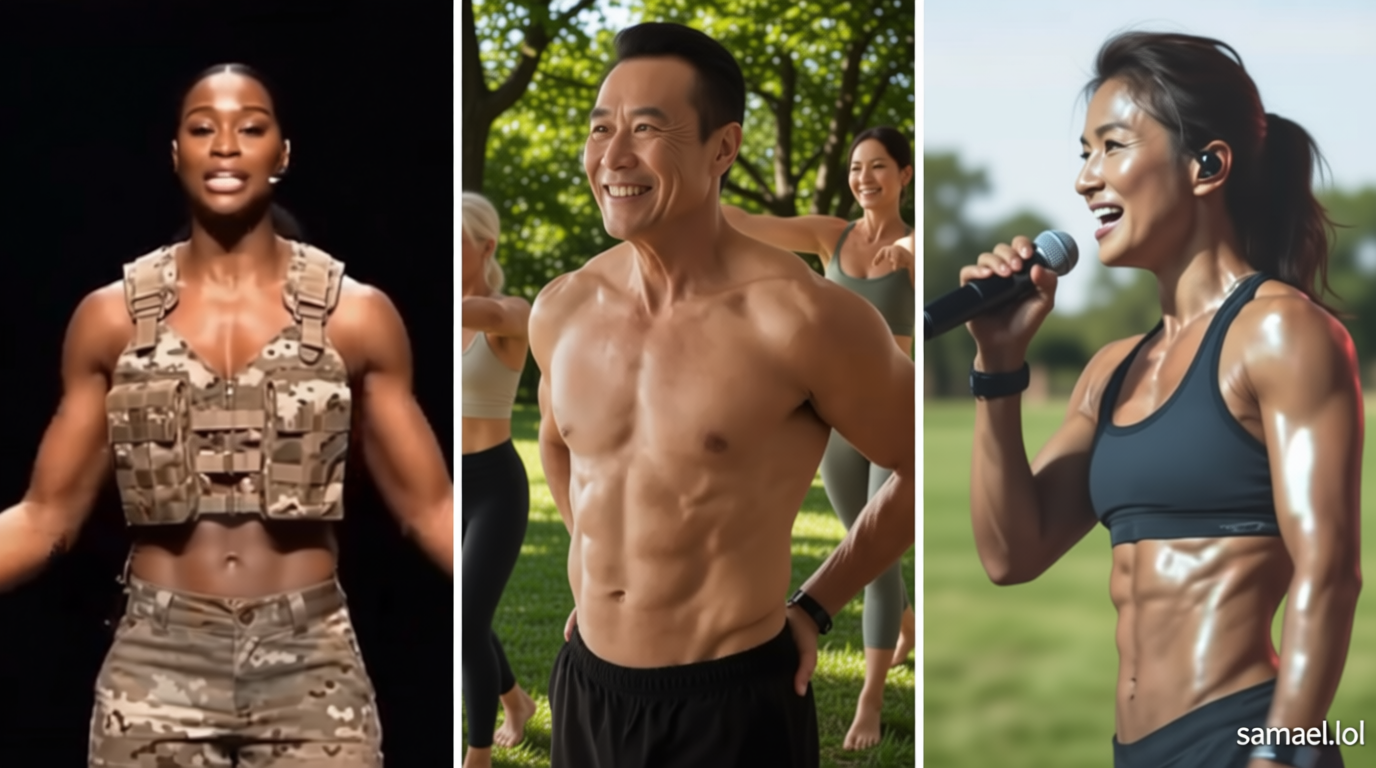
Among the questionable promotions flagged by the BBC were several AI-driven videos. One featured a podcast-style setup where a virtual instructor discussed her workout regimen, asserting it could make women appear “20 years younger” in a month. Another depicted a fake army sergeant who claimed the gym is ineffective and promised “unbelievable” results in weeks through a military-style routine. A third video showed three AI-generated women on a beach discussing their body transformations, with all their forms appearing digitally altered. In one instance, an AI woman gave a presentation on fitness, claiming her routine could lead to a 40-pound weight loss in 28 days, while an artificial crowd applauded her claims. The BBC noted that these examples, though varied, shared a common theme: the use of AI to create convincing illusions of fitness success.
“People are looking for solutions to their health, their fitness, their looks,” says Prof Andy Miah, an AI specialist from the University of Salford. “There’s always been an appetite for that kind of content—but now it’s incredibly hard to tell who to believe.”
Miah’s analysis highlights the growing reliance on AI to produce fitness content. Unlike human influencers, AI characters can generate endless material without fatigue, making it difficult for users to escape their persuasive messaging. “You can’t turn [AI content] off,” he explains. “It’s impossible to stop your feeds from being flooded with this material.” He acknowledges AI’s benefits but warns that the current landscape lacks clear regulation, describing it as a “wild west.”
How AI Ads Manipulate Perception
The BBC’s findings underscore a critical issue: the blurring of lines between real and artificial fitness figures. Many ads featured AI characters who claimed to have personally followed the programs they promoted, even as experts questioned the scientific plausibility of the results. For instance, a 28-day transformation promised by one AI instructor would require an extreme level of dedication and caloric restriction, which is rarely achievable without significant lifestyle changes. Yet, the videos present these outcomes as effortless, leveraging the allure of quick fixes to entice viewers.
“The claims about how quickly you can make gains are completely unrealistic,” Miah states. “That feeds false hope and creates damaging expectations.”
When the BBC shared these AI-generated ads with David Fairlamb, a seasoned fitness instructor with 30 years of experience, his reaction was immediate. “It’s so wrong. It’s so misleading. And it’s so worrying for younger kids,” he said. Fairlamb, 54, emphasized that while AI has its place in fitness programming, it cannot replicate the tangible impact of human coaching. “You cannot beat that real person, that real connection, the accountability,” he added. He questioned whether the 28-day transformation claims are even possible, citing his own expertise: “I’ve been doing this for 30 years, and I’m telling you now—that just doesn’t happen. You’ve got no chance.”
The Impact on Youth and Confidence
Both Fairlamb and his daughter, Georgia Sybenga, 25, expressed concern about the psychological effects of these ads. Sybenga noted that even those familiar with social media struggle to distinguish AI-generated content from real influencers. “Sometimes I question it myself,” she said. “Some of them, you really can’t tell.” This ambiguity could distort perceptions of body image, particularly among younger audiences. Fairlamb highlighted how the constant exposure to idealized, artificial bodies might lead to self-doubt and unrealistic expectations.
“They think ‘I could look like that in 30 days,’” Fairlamb said. “But that body might not even be real.” His daughter agreed, adding that the ads exploit the desire for quick, visible results. “It’s like a fantasy world where everything is possible in a short time,” Sybenga remarked. “People might not realize how much effort goes into those transformations.”
The Future of Fitness Advertising
The BBC’s investigation also revealed a lack of transparency from the companies behind these ads. When contacted, none of the advertisers responded to inquiries about their use of AI characters. This silence raises questions about accountability in the digital advertising space. As AI technology advances, its integration into fitness marketing is likely to grow, with more creators using it to produce content that mimics human expertise.
While the benefits of AI are evident—such as 24/7 content availability and reduced production costs—the risks are significant. Miah argues that without stronger regulations, these ads could mislead users into believing that fitness success is a matter of convenience rather than discipline. “The current state is like a wild west,” he said. “There are no clear boundaries, and some ads could harm people’s motivation or self-esteem.”
A Call for Greater Awareness
As AI-generated content becomes more prevalent, the need for consumer education grows. Users must learn to recognize the subtle signs of artificial influencers, such as perfectly symmetrical features or overly dramatic weight loss. However, the sophistication of these ads makes detection challenging. “The algorithms keep pushing similar material once someone engages with fitness content,” Miah explained. “It’s a loop that can be hard to break.”
Fairlamb, despite his skepticism, sees value in AI when used responsibly. “It’s a tool, not a villain,” he said. “But if it’s used to deceive, then it’s a problem.” He hopes that the industry will adopt clearer labeling for AI-generated content, ensuring viewers understand the difference between real and virtual influencers. Until then, the allure of quick results will continue to drive engagement, even as the reality of fitness progress remains complex and time-consuming.
Conclusion: Balancing Innovation and Integrity
The rise of AI fitness instructors reflects a broader trend in advertising: the use of technology to craft compelling, yet potentially misleading, narratives. While these ads offer convenience and innovation, they risk creating a disconnect between the promises and the realities of physical transformation. As the BBC’s findings show, the lack of transparency can erode trust in fitness content and influence public perception of health and beauty. The challenge now lies in balancing the benefits of AI with the need for clear, honest communication in advertising.