Rosenberg Analyzes Russia’s Victory Day Parade Shift in Ukraine War
Historical Symbolism Meets Modern Realities
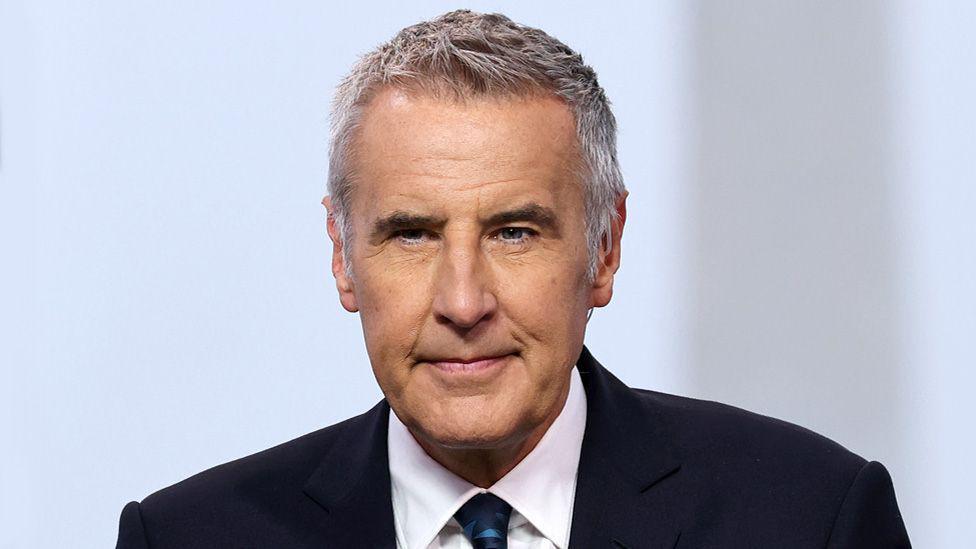
Samael.lol – As Moscow prepares for its annual Victory Day parade, the absence of tanks and ballistic missiles from the iconic Red Square signals a turning point in Russia’s military narrative. This year’s display, marked by vibrant red banners and digital screens emphasizing “Pobeda,” highlights a strategic shift amid the ongoing conflict in Ukraine. The Kremlin’s decision to reduce the scale of the parade reflects growing concerns about the war’s trajectory and the practical demands of modern warfare. Rosenberg notes that the event, once a celebration of Soviet triumph over Nazi Germany, now serves as a subtle indicator of Russia’s evolving priorities.
Historically, Victory Day has been a cornerstone of Russian national pride, commemorating the Soviet Union’s victory in World War Two. However, this year’s parade has taken on a different tone. Russian MP Yevgeny Popov remarked, “Our tanks are busy right now. They are fighting. We need them more on the battlefield than on Red Square.” This statement underscores the tension between historical symbolism and the immediate challenges of the Ukraine war, which has stretched into its fifth year without a clear resolution. Rosenberg observes that the parade’s pared-down display is a pragmatic response to the conflict’s mounting complexities.
Strategic Adjustments and Security Concerns
Russia’s military campaign in Ukraine has not only tested its resources but also exposed strategic vulnerabilities. The decision to limit heavy equipment in the parade aligns with the Kremlin’s efforts to balance national pride with the realities of the war. Recent strikes on Russian territory, such as the Ukrainian missile attack in Cheboksary and a drone breach near the Kremlin, have heightened fears of potential threats to the parade itself. Rosenberg highlights how these incidents have forced Moscow to prioritize security over spectacle, revealing a growing sense of uncertainty.
“The West’s weapons are a constant threat to us,” added Popov, emphasizing the need for caution in showcasing military assets. This shift reflects a broader reassessment of Russia’s wartime strategy, with the parade now serving as a symbolic concession to the evolving conflict.
Public opinion in Russia is also beginning to shift. While the government continues to frame the war as a defensive campaign, citizens are increasingly questioning its progress. Rosenberg points to a decline in Putin’s approval ratings, as recent surveys show growing doubts about the war’s impact on daily life. The president’s subdued presence in the media this year contrasts with his earlier displays of confidence, underscoring the changing dynamics of domestic support. “We have been at war longer than the Great Patriotic War,” Rosenberg observes, noting the irony of the current situation.
The extended duration of the conflict has drained both military and civilian resources, challenging Russia’s ability to sustain its campaign. Despite initial optimism, the war has not yielded a decisive victory, forcing the Kremlin to adapt. The parade’s reduced scale mirrors this transition, with heavy machinery now a luxury rather than a staple. Rosenberg argues that the event’s modest display is a reflection of the war’s prolonged nature and the pressure on Moscow to achieve tangible results.
As the parade approaches, the contrast with the Soviet era becomes stark. While the 1945 victory marked a definitive end to a global conflict, Russia’s current engagement in Ukraine shows no such conclusion. Rosenberg underscores that the parade’s adjustments signal a new chapter in the war, where historical triumphs are no longer guaranteed. The event now serves as a barometer for public sentiment and a reminder of the challenges ahead, even as the Kremlin strives to maintain its narrative of strength.